Choosing the right cat food isn't just about a pretty label. For my partners in the pet industry—the procurement managers and distributors—it's about risk management and long-term brand trust. I’ve spent over 12 years in the pet manufacturing space at Boonpets. During that time, I’ve learned that the "best" product isn’t the one with the trendiest marketing. It’s the one backed by clinical data and rigorous oversight. If you are responsible for stocking shelves or digital storefronts, you need to know what veterinarians actually look for. This guide breaks down the gold standards of feline nutrition so you can make informed buying decisions that protect your margins and your customers' pets.
The "Big Three" Legacy Brands: Why Vets Consistently Trust Science-Based Nutrition
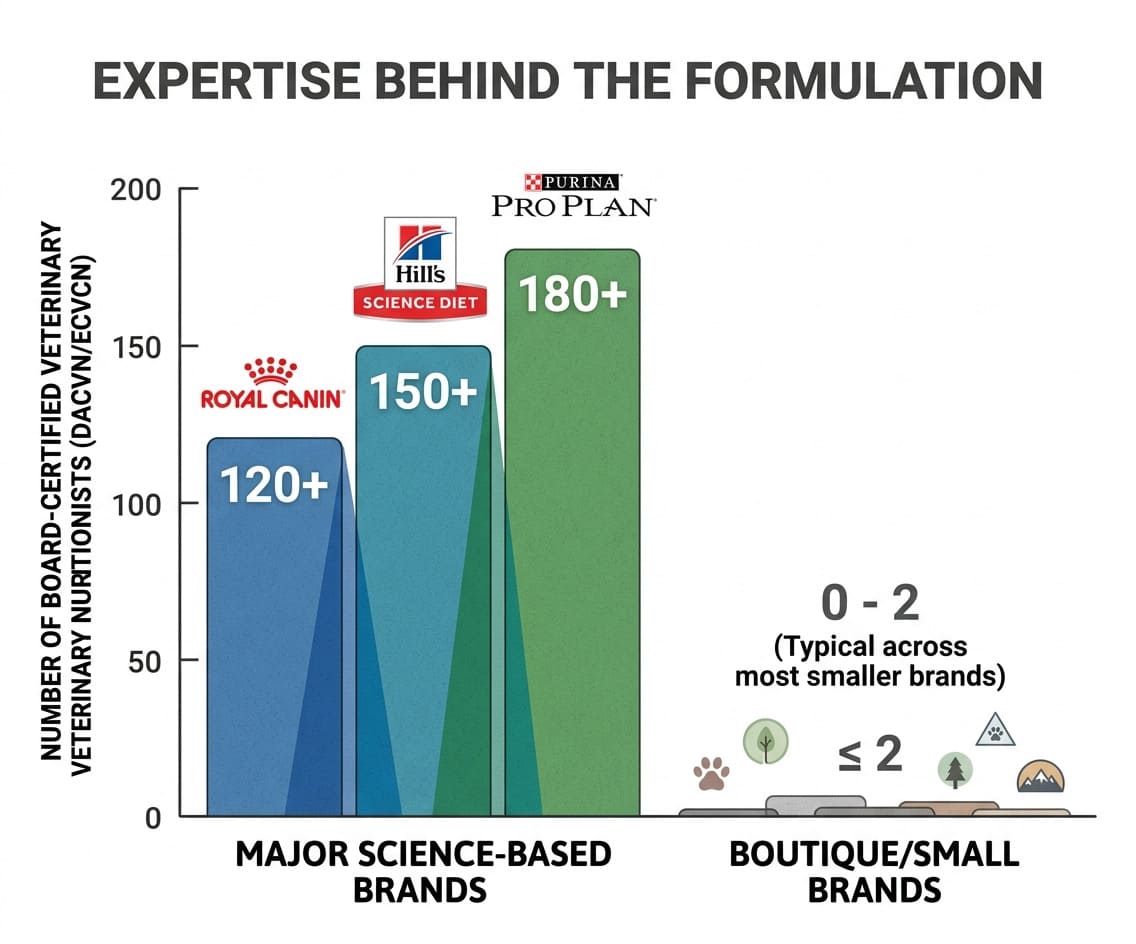
Go into any veterinary clinic in North America or Europe. You will likely see three brands: Royal Canin, Hill’s Science Diet, and Purina Pro Plan. Vets don't recommend these because of "big pharma" kickbacks. They recommend them because of the massive investment in research. These companies employ hundreds of full-time veterinarians and PhD nutritionists. They don't guess; they test.
I remember a conversation I had with a distributor in Italy last year. He was frustrated. He wanted to push a "boutique" grain-free brand because the margins were higher. However, his return rate was spiking. Customers were reporting digestive issues in their cats. We looked at the boutique brand’s formulation. They didn't have a single nutritionist on staff. They were "white-labeling" a generic recipe from a third-party factory. I told him what I tell every partner: marketing sells the first bag, but science sells the next ten. The legacy brands stay on top because their formulas are consistent. When a cat with a sensitive stomach eats a bag of Hill's, the results are predictable. That predictability is the foundation of a stable pet supply business.
Decoding WSAVA Guidelines: How to Evaluate Brand Safety Beyond Marketing Labels
The World Small Animal Veterinary Association (WSAVA) provides the real "cheat sheet" for pet food quality. They don't rank brands. Instead, they provide a list of questions you should ask a manufacturer. Does the brand employ a full-time nutritionist? Where is the food produced? What specific quality control measures are in place? These questions cut through the fluff of "human-grade" or "ancestral" marketing.
In my experience, many procurement managers skip this step. They look at the "Top 5 Ingredients" list and stop there. That is a mistake. Ingredients are just part of the story; nutrients are the whole book. A brand might list "Real Chicken" first, but if the final protein bioavailability is low, the cat isn't getting what it needs. I’ve seen this firsthand on factory floors. Some manufacturers use high-quality raw materials but ruin them with improper heat processing. This destroys essential amino acids like taurine. When you vet a supplier, ask for their WSAVA compliance1. If they can't provide clear answers about who formulated the diet or how they test for nutrient consistency, walk away. Your reputation is too valuable to risk on a brand that prioritizes "storytelling" over safety standards.
Therapeutic vs. Over-the-Counter: When Your Cat Needs a Prescription Diet
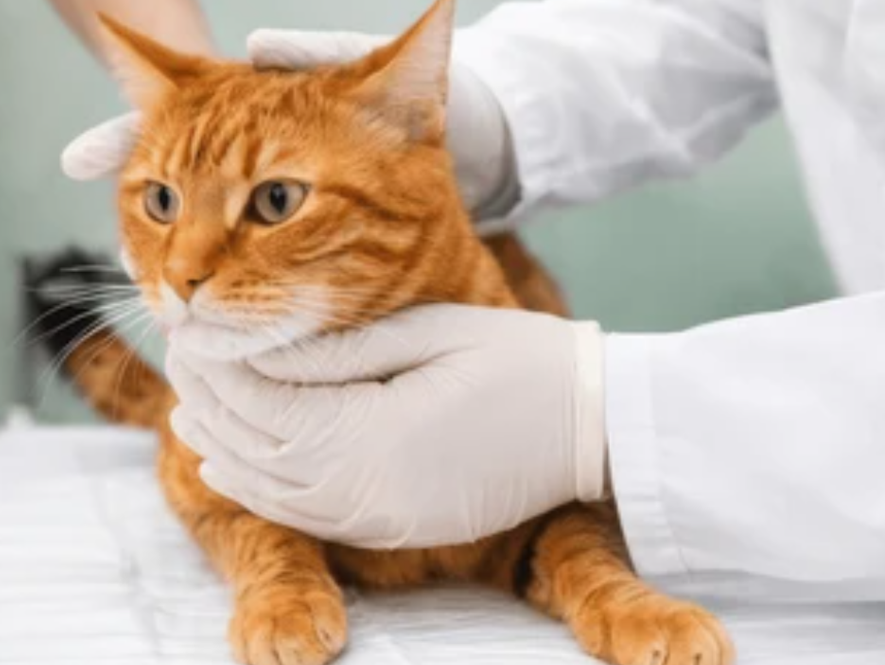
There is a massive difference between "wellness" food and "therapeutic" food. Therapeutic diets—often called prescription diets—are formulated to manage specific medical conditions. This includes kidney disease, urinary crystals, or severe allergies. These foods are essentially medicine in kibble form. They are often restricted in certain minerals or boosted with specific fibers to change the cat's internal chemistry.
I learned the importance of this distinction early in my career. We had a client who tried to market a "Urinary Support" leash and accessory line alongside a generic cat food. They claimed the food could "fix" stones. They faced immediate legal pressure and lost customer trust. Why? Because you cannot claim a food treats a disease unless it has undergone clinical trials. As a distributor, you must be careful with your claims. Selling over-the-counter (OTC) wellness food is great for the general population. But if you want to capture the high-value "veterinary" segment, you need to partner with brands that invest in clinical trials. These customers are incredibly loyal. Once a cat is stable on a kidney-support diet, that owner will buy that specific brand for the rest of the pet's life. This creates a high "customer lifetime value2" (CLV) that is the dream of every omnichannel retailer.
Manufacturing Transparency: Identifying Brands with Direct Factory Oversight and Rigorous Batch Testing
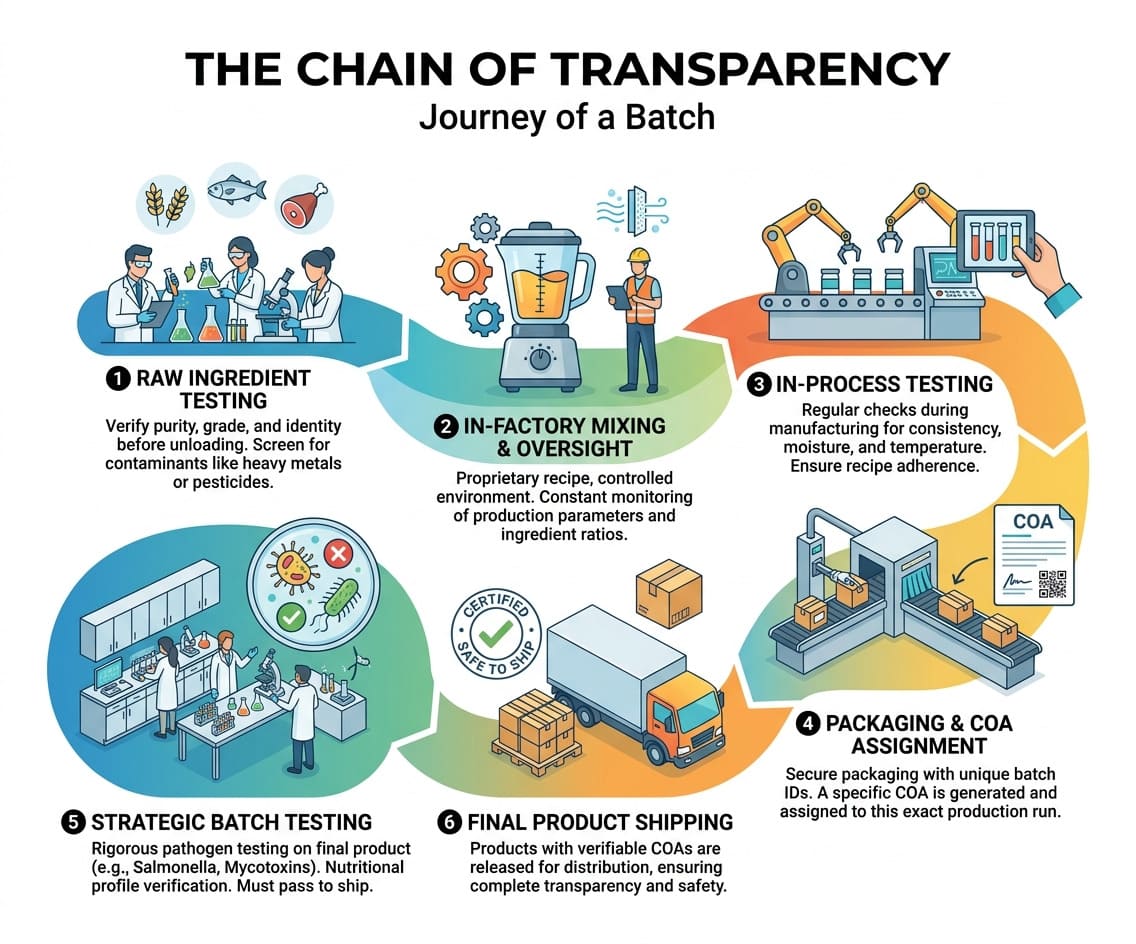
Transparency is the new currency in the pet industry. The biggest risk in pet food today is cross-contamination. This happens when a factory produces many different brands on the same line. If the line isn't cleaned perfectly, traces of unwanted ingredients or pathogens like Salmonella can enter the "premium" food. Truly elite brands maintain end-to-end control. They own the factory. They control the air filtration. They test every single batch before it leaves the building.
At Boonpets, we apply this same logic to our dog leashes and collars. I’ve spent years walking our production lines. During one walkthrough, I noticed a slight variance in the tensile strength of a specific webbing batch. It met the minimum standard, but it wasn't our standard. We stopped the line and recalibrated. Most "marketing-led" food brands don't do this. They outsource to a co-packer who is focused on volume, not precision. As a procurement manager, you should ask: "Can I see the Certificate of Analysis (COA) for the last three batches?" If the brand owner has to call a third party to get that data, they don't have direct oversight. You want to work with partners who live on the factory floor. This level of control prevents recalls. Recalls kill brands. Strategic batch testing and direct oversight are the only ways to ensure your inventory is safe.
Future-Proofing Feline Health: Sustainable Proteins and Functional Nutrients in Modern Veterinary Science
The market is shifting. We are moving from "human-grade" trends to "Performance Sustainability." This is where medical-grade efficacy meets eco-conscious sourcing. Today's high-end buyers want to know that their cat's food is healthy and the planet is protected. We are seeing the rise of insect proteins (like black soldier fly larvae) and bio-synthetic taurine3. These aren't just gimmicks. They provide high-quality amino acids with a fraction of the carbon footprint of beef or fish.
From a strategic standpoint, this is your opportunity to differentiate. The "premium" market is crowded with generic chicken-and-rice formulas. To stand out, you need to offer something that solves a future problem. For example, some new veterinary diets use "precision fermentation" to create specific proteins. This allows for hypoallergenic food that is more effective than traditional hydrolyzed soy. I see this trend growing in the next 5 years. At Boonpets, we are already looking at sustainable materials for our hardware and packaging. Why? Because the modern pet owner—your customer—is educated. They read the back of the bag. They care about the source. If you can offer a brand that combines veterinary-approved health benefits with a sustainable story, you win. You aren't just selling food; you are selling a vision of the future. This is how you increase your sales and brand awareness in a competitive landscape.
Conclusion
The "Veterinary Gold Standard" isn't a fixed list of brands. It is a commitment to science, transparency, and safety. If you are managing a supply chain, prioritize brands that employ experts and own their manufacturing. Look past the marketing buzzwords. Focus on WSAVA compliance and clinical results. This approach might feel slower than chasing the latest "human-grade" fad, but it builds a foundation that lasts.
If you’re evaluating your current product lineup or looking for a manufacturing partner who understands these rigorous standards, I’d be happy to share more of what I’ve learned over the last decade. Let's build a pet category that is both profitable and deeply trusted. Reach out to me at Boonpets to discuss your next project.
Footnote: