Choosing the wrong supplier can unravel your business, leading to product recalls, angry customers, and a damaged reputation. How can you spot the warning signs before it’s too late and protect your brand from unreliable partners?
A low price can be tempting, but it often hides deeper problems. The most dangerous red flags aren’t always obvious; they are subtle signs of disorganization, poor communication, and a lack of transparency that can signal major issues down the line.

Protecting your brand starts with knowing what to look for. A diligent evaluation process is your best defense against suppliers who overpromise and underdeliver. Let’s uncover the critical red flags you should never ignore when sourcing pet accessories, so you can build a supply chain you can trust.
The Trading Company Trap—How to Spot a Middleman Pretending to Be a Manufacturer?
Are you confident you're dealing directly with a factory? Many trading companies pose as manufacturers, adding a hidden layer of cost and complexity to your supply chain, while leaving you with little control over quality and production.
Distinguishing a genuine manufacturer from a trading company is crucial for building a reliable and cost-effective supply chain. Key indicators of a trading company include a reluctance to allow factory visits, a lack of technical staff, and an overly broad product catalog that spans multiple unrelated industries.

This is one of the most common and costly mistakes I see procurement managers make. They get a great price from a slick sales office, only to discover later that they are dealing with a middleman who has no direct control over the manufacturing process. When you partner with Boonpets, you are partnering directly with the factory. We welcome our clients to visit our facility, meet our engineers, and see our production lines in action. We have over 500 of our own products, all focused on pet accessories, and we have the technical expertise to offer complete custom manufacturing. Don’t be fooled by a fancy website or a low price. Ask to see the business license, ask for a virtual factory tour, and ask to speak with the engineers. A legitimate manufacturer will be proud to show you their operations. A trading company will make excuses.
Communication Patterns That Signal Trouble Before Problems Arise?
Is your supplier slow to respond to your inquiries? Vague or inconsistent communication is more than just an annoyance; it’s a clear warning sign that a supplier is disorganized, lacks transparency, or is hiding problems.
A reliable partner communicates with clarity, consistency, and proactivity. They respond to your questions in a timely manner, provide clear and accurate information, and keep you informed of any potential issues before they become major problems. Poor communication is often the first sign of deeper operational issues.

From a practical standpoint, communication is a direct window into a supplier’s internal culture. A supplier who is slow to respond, provides evasive answers, or frequently changes their story is likely to be just as chaotic in their production and quality control1 processes. At Boonpets, we assign a dedicated account manager to each of our partners to ensure a single point of contact and clear, consistent communication. We have a 24-hour response policy for all inquiries, and we proactively update our partners on the status of their orders. We believe that open and honest communication is the bedrock of a strong partnership. If a potential supplier is already showing signs of poor communication during the initial evaluation phase, you can be certain that these problems will only get worse once you’ve placed an order. It’s a red flag you should never ignore.
Hidden Costs and Surprise Fees—The Financial Red Flags Competitors Miss?
Is that low initial quote too good to be true? Unscrupulous suppliers often lure in new customers with an attractive price, only to add on a series of unexpected fees and charges later. These hidden costs can quickly erode your margins and turn a profitable product into a losing one.
A transparent and reliable supplier will provide you with a clear, all-inclusive quote from the very beginning. Be wary of any supplier who is vague about what is included in their price or who refuses to provide a detailed cost breakdown. Hidden fees for things like tooling, packaging, or shipping can be a sign of a dishonest partner.

This is a classic bait-and-switch tactic that preys on procurement managers who are under pressure to reduce costs. I’ve seen it happen countless times: a price that seems unbeatable is suddenly inflated with charges for “mold maintenance,” “special packaging,” or “expedited handling.” At Boonpets, our quoting process is built on transparency. We provide a detailed, line-item breakdown of all costs associated with your order, so you know exactly what you are paying for. There are no surprise fees, and we stand by our quotes. When you evaluate a supplier, insist on a comprehensive quote that includes all potential costs. If they are unwilling or unable to provide this, it’s a major red flag that they are not being straightforward about their pricing. A trustworthy partner will be upfront about their costs, not hide them in the fine print.
Ethical and Environmental Compliance Gaps—Protecting Your Brand's Reputation?
Does your supplier have a clear policy on ethical labor practices2 and environmental responsibility? In today’s market, consumers are increasingly concerned about the provenance of their products. A supplier with a poor record on social or environmental compliance can pose a significant reputational risk to your brand.
A responsible supplier will be transparent about their labor practices, their waste management processes, and their commitment to environmental sustainability. A lack of formal policies or a reluctance to discuss these issues can be a major red flag, indicating that the supplier may be cutting corners in ways that could damage your brand’s image.
This is no longer a “nice-to-have”; it’s a core component of brand protection. Your customers, especially in Europe and North America, expect the products they buy to be made responsibly. A scandal involving forced labor or illegal dumping at your supplier’s factory can do irreparable harm to your brand. At Boonpets, we adhere to strict ethical manufacturing standards and are committed to minimizing our environmental impact. We believe that responsible manufacturing is not just good for the planet; it’s good for business. We are transparent about our practices and welcome audits from our partners. When you evaluate a supplier, ask for their social compliance and environmental policies. If they don’t have any, or if they are vague and non-committal, you are taking on a risk that simply isn’t worth the potential cost savings.
Quality Control Inconsistency—Early Warning Signs in Sample Quality and Specifications?
Did the high-quality sample you approved bear little resemblance to the final production run? Inconsistent quality between samples and bulk orders is a classic red flag that a supplier lacks robust quality control processes. This can lead to a flood of customer returns and damage your brand’s reputation for quality.
A reliable supplier will have a documented quality control system that ensures consistency from the first sample to the final shipment. This includes clear standards for raw material inspection, in-process quality checks, and final product testing. A supplier who cannot provide details on their QC process is a significant risk.
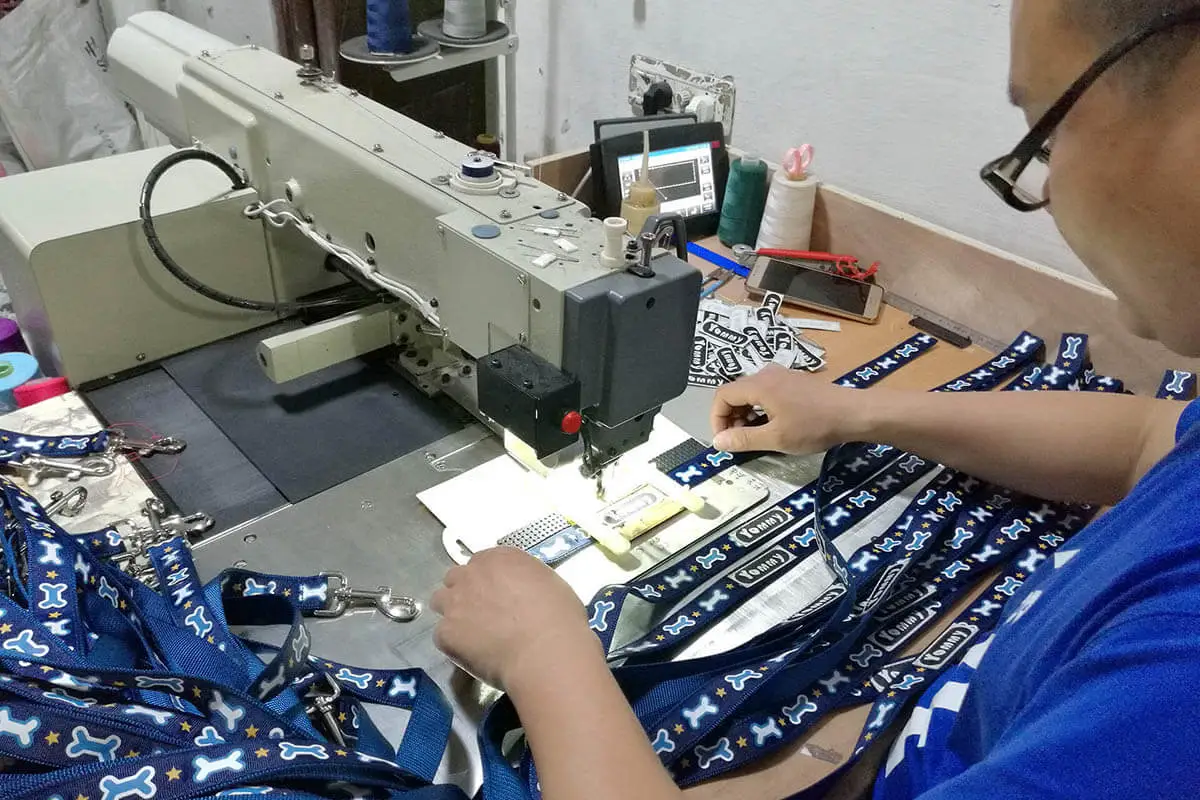
This is where a supplier’s true commitment to quality is tested. It’s easy to create a perfect “golden sample” to win your business. It’s much harder to maintain that level of quality across a production run of thousands of units. At Boonpets, we address this challenge head-on with a multi-stage quality control process that is verified by independent, third-party inspectors. We provide our partners with detailed inspection reports for every shipment, so you can be confident that the products you receive meet the exact specifications you approved. When you evaluate a supplier, don’t just look at the sample. Ask for their QC documentation, ask about their inspection process, and ask for references from other customers who can speak to their consistency. A supplier who is confident in their quality will be transparent about their processes.
Supplier Vulnerability Indicators—Detecting Financial Distress, Key Person Risk, and Scaling Limitations?
Is your supplier a one-man show? Or are they showing signs of financial instability? These vulnerabilities can create significant disruptions for your business, from sudden closures to an inability to keep up with your growth. A healthy supplier is a resilient supplier.
Beyond the obvious red flags, it’s crucial to look for subtle indicators of a supplier’s vulnerability. These can include high employee turnover, a heavy reliance on a single key individual, outdated equipment, or an unwillingness to invest in new technology. These are signs that a supplier may not be a sustainable partner for the long term.
This is about looking beyond the present and assessing a supplier’s future viability. A supplier who is financially distressed may start cutting corners on quality or delaying shipments. A supplier who is overly reliant on one key person is a major risk; if that person leaves, the supplier’s institutional knowledge and your primary point of contact could disappear overnight. And a supplier who is unable to scale will become a bottleneck as your business grows. At Boonpets, we’ve built a resilient organization with a strong management team, a stable and well-trained workforce, and a continuous investment in our production capabilities3. We are not dependent on any single individual, and we have the financial stability and operational capacity to grow with our partners. When you evaluate a supplier, look for signs of a healthy, growing business, not one that is just trying to survive.
Conclusion
Identifying supplier red flags is not about being cynical; it’s about being a diligent and responsible business owner. By learning to spot these warning signs, you can protect your brand, your customers, and your bottom line.
Foonote: