Struggling to decide if slip leads1 belong in your product lineup? You want to offer effective tools, but fear backlash over safety concerns. I'll give you the clear, professional consensus you need.
Yes, vets use slip leads, but almost exclusively for temporary control2 in professional settings. They generally do not recommend them for everyday walks by average owners due to the high risk of neck injury and choking if used incorrectly. Their use is about situational control, not daily comfort.
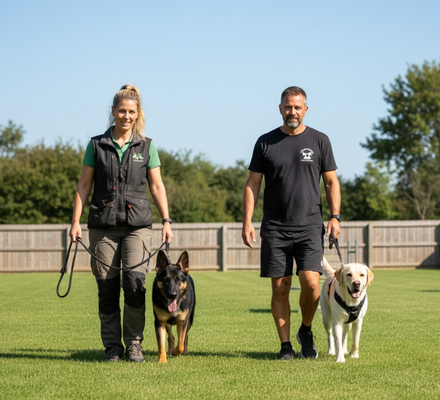
I've been in the pet products business for over a decade, and the slip lead debate never gets old. For retailers and distributors like you, it's a tricky product. On one hand, you see professionals like vets and groomers using them constantly. On the other, you hear horror stories online about injuries. It feels like you can't win. But the answer isn’t a simple “yes” or “no.” Understanding the context is everything. Knowing why, when, and how vets use them is the key to stocking and selling them responsibly. Let's break down what the professionals really think, so you can build a smarter, safer product strategy.
The Vet's Verdict: Recommended for Control, Not for Comfort?
Confused by the mixed messages? You see slip leads in professional hands but read warnings online. This conflict makes it incredibly hard to decide what to tell your customers. I’ll clarify this now.
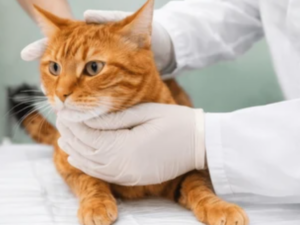
Vets recommend slip leads for one primary reason: gaining fast, temporary control over a dog, especially in a stressful clinic environment. The tool’s value is in efficient restraint3 for safety, not in providing a comfortable, long-term walking solution for a pet owner.

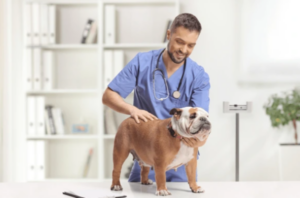
In my conversations with veterinary partners, one thing becomes crystal clear: a tool is only as good as its context. A slip lead in a vet clinic and a slip lead on a neighborhood walk are used for entirely different purposes. In the clinic, a vet might need to handle a dog that is scared, in pain, or potentially aggressive. They need a tool that is quick to apply and gives them secure control for a few minutes. The slip lead does this perfectly. But this is a world away from a 30-minute daily walk where constant pulling can happen. Understanding this difference is the first step to advising your own clients correctly.
The Clinic vs. The Walk: A Tale of Two Contexts
The core of the issue lies in comparing a professional's short-term use with a pet owner's daily routine. They are not the same.
| Feature | Veterinary Clinic Use | Everyday Owner Use |
|---|---|---|
| Purpose | Quick, temporary, and safe restraint | Daily walks, training, and exercise |
| Duration | Minutes at most | Often 30+ minutes, multiple times a day |
| User | Trained professional aware of risks | Varies from novice to expert |
| Primary Risk | Managed with expert handling and speed | High risk of misuse, choking, and neck injury |
Beyond "Yes or No": Why Slip Leads Are a Critical Tool in Veterinary Clinics?
It seems counterintuitive, doesn't it? Promoting a tool with known risks feels wrong. Yet, you're overlooking its vital role in guaranteeing safety for both clinic staff and the dogs they treat.
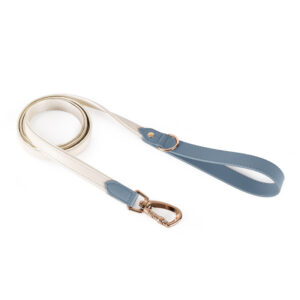
Slip leads are a staple in veterinary clinics because they are efficient, universal, and effective. They can be applied in seconds to any dog, regardless of size or breed, allowing staff to prevent bites and escapes during stressful procedures.
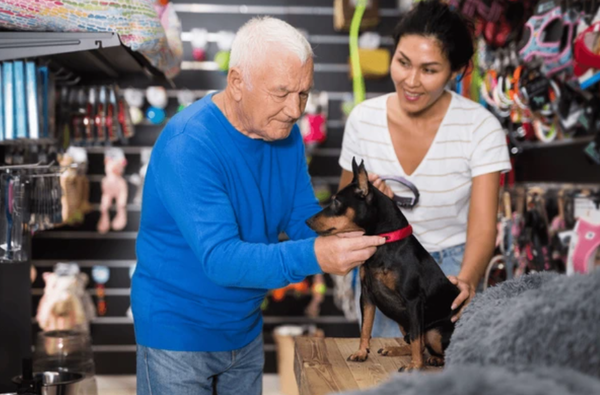
Think about the reality of a busy vet clinic. I once visited a partner's practice and saw them handle three dogs in 15 minutes: a frightened Great Dane, a nippy Terrier, and a very large Golden Retriever. They didn't have time to find and fit three different collars or harnesses. They used a simple, clean slip lead for each one to guide them from the waiting room to the exam table. It was over in a minute. The lead provided the control they needed to do their job safely and then was immediately removed. It's a tool of pure function, designed for a high-turnover, high-stress environment where a "one-size-fits-all" solution is a necessity.
The Three "E's" of Slip Leads in a Clinic
In a professional setting, the slip lead excels due to three key factors.
- Efficiency: Vets and technicians can apply a slip lead in just a few seconds, which is crucial when dealing with an anxious or uncooperative animal. There are no buckles to fumble with or straps to adjust.
- Effectiveness: When placed correctly high on the dog's neck, a slip lead provides immediate and reliable control over the dog's head. This helps prevent bites and allows staff to guide the dog securely.
- Equality: A single slip lead can be used on a tiny Chihuahua or a giant Mastiff. This universality eliminates the need for clinics to stock dozens of different collar and harness sizes, saving space and money.
The "Safety-First" Mandate: Vets' Top Concerns You Must Address?
Selling slip leads feels like a liability. You're worried a customer's dog could get hurt, reflecting poorly on your brand. Understanding the exact dangers vets warn about is crucial to mitigation.
Vets’ primary concerns are tracheal collapse, soft tissue damage to the neck, and choking. These risks are magnified when leads are used on brachycephalic (flat-faced) breeds or by untrained owners who allow constant pulling.
As a manufacturer, this is where we have a responsibility. We can't just sell a product and hope for the best. We have to educate. The biggest problem is when a dog is allowed to pull continuously against the lead. This puts constant pressure on the throat. A slip lead is meant for a quick correction, a "check," not for a tug-of-war. For brachycephalic breeds like Pugs or French Bulldogs, the risk is even higher because their airways are already compromised. Any retailer or distributor stocking slip leads must make these dangers clear at the point of sale. Your packaging and marketing materials must serve as the first line of defense.
Addressing the Risks: Your Responsibility as a Seller
To sell slip leads responsibly, you must communicate these three key points to your retail partners and, by extension, the end customer.
- Improper Use: The lead should never be allowed to tighten and stay tight. It is for a quick, "pull-and-release" correction. If a dog is a chronic puller, a slip lead is the wrong tool.
- Unsuitable Breeds: Explicitly warn against using slip leads on brachycephalic breeds4 (Pugs, Bulldogs, Boxers) and dogs with a history of tracheal issues or respiratory problems.
- The Danger of Tie-Outs: Emphasize that a slip lead must never be used to tie a dog out. An unsupervised dog can easily get tangled and choke in a matter of minutes.
What are Safer Alternatives Vets Champion for Everyday Use?
Your customers trust you to offer safe products. Promoting slip leads for daily walks could damage that trust. Offering vet-approved alternatives for the average owner is a much safer business strategy.
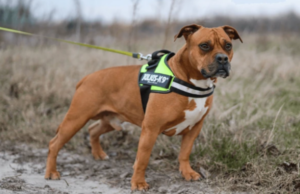
For daily walks, most veterinarians recommend front-clip harnesses or head halters. These tools provide control without putting dangerous pressure on the dog’s neck, redirecting pulling behavior instead of correcting through tightening.

At Boonpets, we've invested heavily in developing a range of harnesses specifically because of these safety concerns. While we manufacture high-quality slip leads for our professional clients, we guide our retail partners to position harnesses as the go-to solution for the average pet owner. A front-clip harness, for example, works by turning the dog back towards the owner when they pull, naturally discouraging the behavior. A head halter offers similar control over the head without the choking risk. Pushing these products helps your customers succeed in training their dogs humanely, which builds long-term brand loyalty for you. It's about providing the right tool for the right job.
Guiding Your Customers to the Right Choice
Educating your clients on the best options for everyday use is good for the dog and good for your business.
| Product Type | How It Works | Best For | Vet's Perspective |
|---|---|---|---|
| Front-Clip Harness | Attaches at the chest, steers the dog back when it pulls. | Moderate to heavy pullers; training loose-leash walking. | Highly recommended. Manages pulling without risk to the neck or throat. |
| Head Halter | Fits over the muzzle and head, like a horse's halter. | Strong pullers; provides maximum control with minimal force. | Very effective, but requires a proper fitting and introduction period for the dog. |
| Back-Clip Harness | Clip is on the dog's back. | Dogs that don't pull; small breeds; general-purpose walking. | Good for calm walkers, but provides little control over pulling behavior. |
By clearly segmenting your product offerings and explaining the benefits of each, you establish yourself as a knowledgeable and trustworthy supplier. This is how you win against competitors who just move boxes without a thought for the end-user.
Conclusion
Vets use slip leads for situational control, not as a daily walking tool. For your business, this means positioning them as a professional product and guiding everyday owners toward safer harness alternatives.
Footnote:
Explore the role of slip leads in veterinary settings to understand their benefits and risks. ↩
Learn about the importance of temporary control in managing dogs during stressful situations. ↩
Discover the importance of efficient restraint techniques in veterinary care. ↩
Learn about the specific dangers for flat-faced dogs when using slip leads. ↩