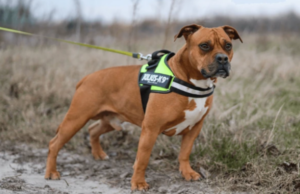
As a retailer, you worry about a leash failing. A broken clip or a frayed leash can lead to a terrible accident, damaging a customer's trust and your brand’s reputation forever.
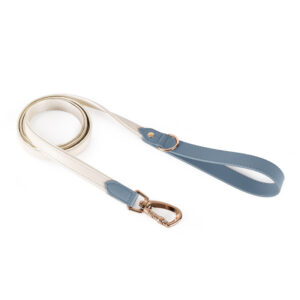
The safest dog leashes1 combine high-quality materials, rigorously tested hardware, and ergonomic design. Safety isn't just about preventing a leash from snapping. It also includes features like reflective stitching for visibility and a comfortable grip for the handler to prevent accidental drops, ensuring control in all situations.
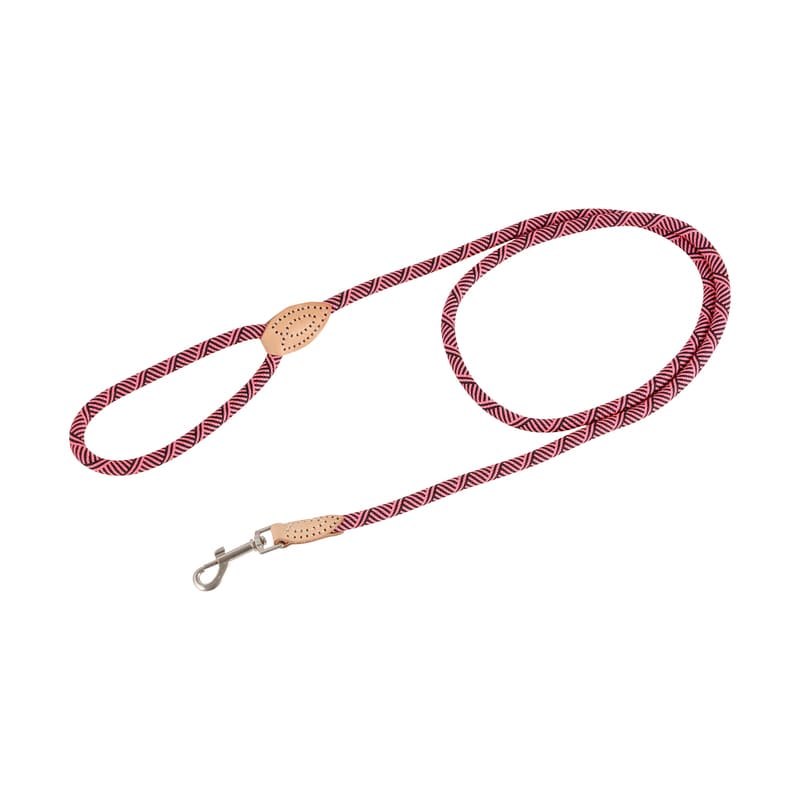
For over a decade, my company, Boonpets, has been manufacturing leashes, and I've learned that safety is a complex topic. It’s a chain where every link—from the thread in the stitching to the spring in the clip—must be strong. A cheap leash is a liability waiting to happen for pet owners and for the businesses that sell them. We have to look beyond the surface-level features and understand what truly makes a leash reliable day after day. Let's break down the essential components of a truly safe leash.
What does "safest" really mean beyond just strength and durability?
You stock leashes that claim to be strong. But you still hear stories of clips failing or handles causing rope burn, making you question what safety truly is. It's more than just a strong rope.
True safety in a leash is a complete system. It includes the material's resistance to chewing and fraying, the hardware's ability to withstand sudden jerks, the handle's comfort and grip, and features like nighttime visibility. A failure in any one of these areas compromises the entire product.
I remember talking to a new client, a procurement manager named Alex. Alex’s company had sourced a batch of leashes from another supplier, and they looked great. The problem was the clips. The internal springs were low-quality, and they started failing after a few months of use, sometimes sticking open. One customer’s dog slipped its leash near a busy street. Thankfully, the dog was okay, but Alex’s company had a potential crisis on its hands. It taught me that real safety is found in the details you can't see.
A Multi-Factor System
We break safety down into four key areas:
- Material Integrity: The webbing or rope needs to resist abrasion, weathering, and chewing. A frayed leash is a weak leash.
- Hardware Reliability: The clip is the most common point of failure. It must be made from rust-proof metal with a strong, reliable spring mechanism that won't fail under load or get stuck.
- Handler Ergonomics: If a handle is uncomfortable or slippery, an owner might drop the leash. A padded, secure grip is a critical safety feature.
- Situational Awareness: For walking in the early morning or at night, visibility is life-saving. Reflective stitching woven into the leash material is no longer a bonus feature; it's a core safety requirement for many customers.
How do different leash types compare for optimal safety?
Your customers ask for different leash types, from standard to retractable. You feel pressured to stock them all, but you worry about the safety risks associated with certain designs.
A standard fixed-length leash is generally the safest and most recommended by trainers because it offers predictable control. Retractable leashes introduce risks like tangles and lack of control, while specialty leashes offer unique benefits but require proper understanding. Each type serves a different purpose with varying safety profiles.
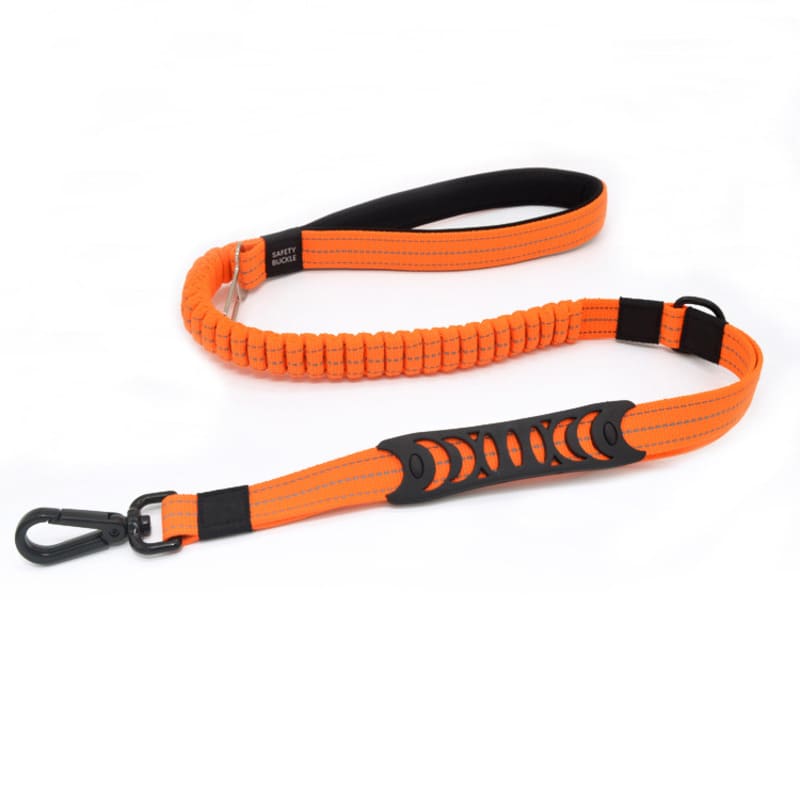
We manufacture all types of leashes, and the safety conversation is one I have with clients all the time. A distributor in a dense urban area told me they stopped carrying retractable leashes altogether. The risk of dogs running into traffic was too high. However, another client in a suburban market sells a ton of them to customers who want to give their dogs more freedom in open parks. The key for your business is to understand the pros and cons so you can educate your customers.
| Leash Type | Primary Use | Safety Advantages | Safety Concerns | Best For |
|---|---|---|---|---|
| Standard Leash | Everyday walks, training | Predictable length, reliable control, strong and simple. | Limited freedom for the dog. | All dogs, especially in training or high-traffic areas. |
| Retractable Leash | Open spaces, parks | Allows dog freedom to explore. | Can cause serious injury (tangles, rope burn), lack of emergency control, internal mechanism can fail. | Well-behaved adult dogs in very open, safe areas. |
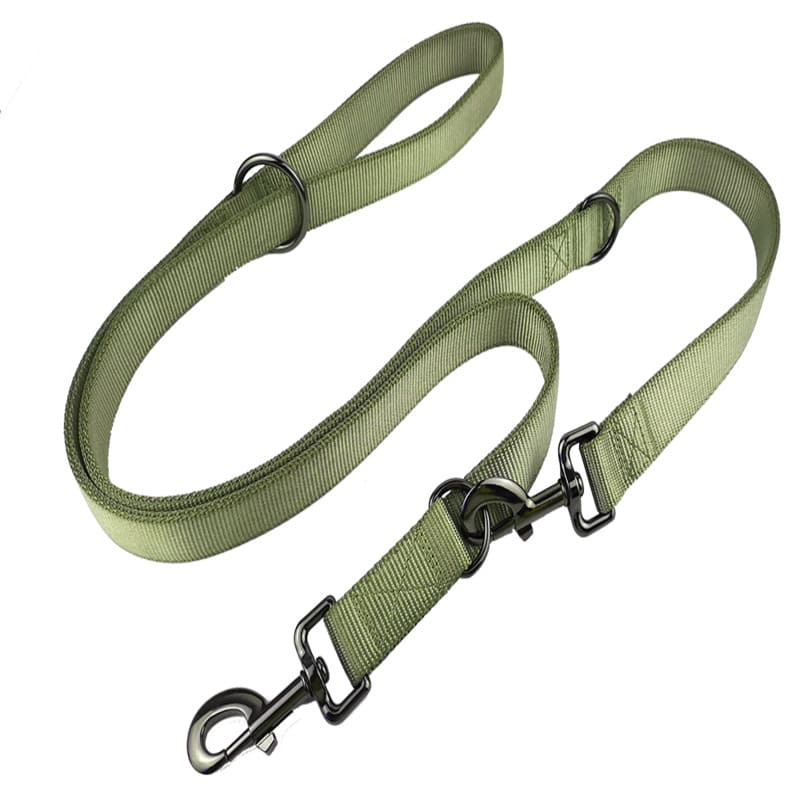
| Multi-Function Leash | Versatile walking, hands-free | Adjustable length, can be used hands-free or as a temporary tether. | Can be complex for new users, more clips mean more potential failure points. | Experienced owners, hikers, runners. |
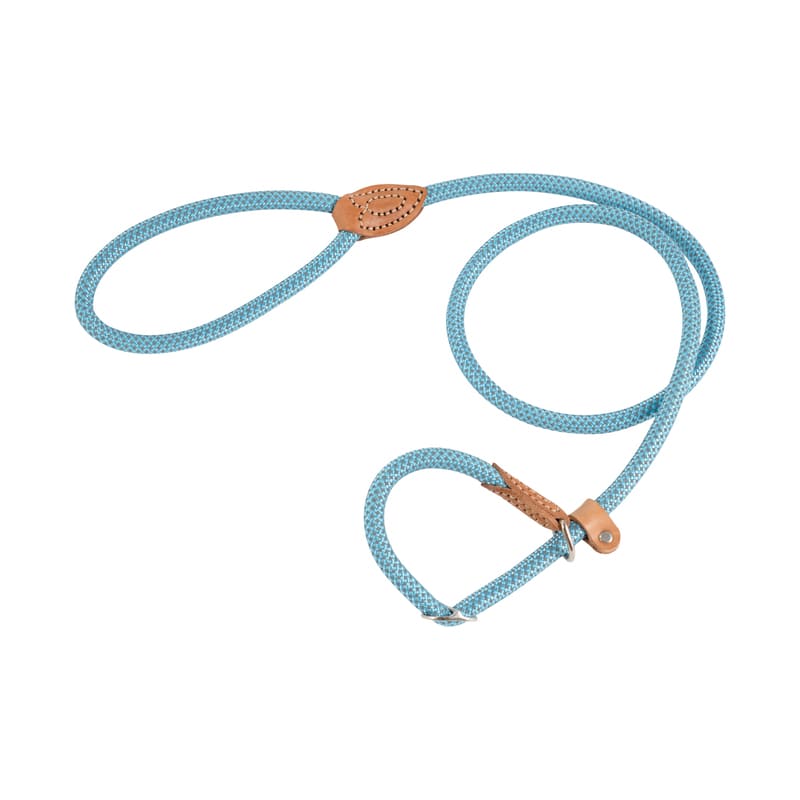
| Slip Lead | Training, quick transport | Easy on/off, good for trainer/vet use. | Poses a choking risk if used incorrectly or left on an unattended dog. | Professional handling, short-term transport. |
Understanding this table helps you guide your buyers. You can position the standard leash as the "go-to for safety and training" while explaining that other types are "specialty tools for specific situations."
How do you choose the right materials and hardware for uncompromising safety?
You see leashes made from dozens of materials with different clips. How do you know if you are choosing a combination that won’t fail and will last for your customers?
For maximum safety, double-layer nylon or polyester webbing is best for strength and weather resistance. For hardware, look for aviation aluminum or solid brass clips. These materials offer superior strength-to-weight ratios and corrosion resistance compared to standard zinc alloy.
When I started Boonpets, one of my first big decisions was about hardware. The market was flooded with cheap zinc alloy clips. They looked shiny but would break under the strain of a strong dog pulling. I made a choice to invest more in our clips, sourcing from a supplier who also made components for climbing gear. It cost more upfront, but it became our key selling point. My clients could tell their customers, "This clip is built for safety," and they had the quality to back it up.
| Component | Good: Zinc Alloy | Better: Solid Brass | Best: Aviation Aluminum / Stainless Steel |
|---|---|---|---|
| Clip | Inexpensive and common. | Very durable and rust-proof. | Extremely strong, lightweight, and corrosion-proof. Will not fail in cold weather. |
| Stitching | Standard linear stitching. | Reinforced bar tack stitching. | Box stitching (an "X" in a box), which provides multi-directional strength. |
| Component | Good: Basic Nylon | Better: Leather | Best: Double-Layer Polyester / Ballistic Nylon |
|---|---|---|---|
| Webbing | Strong and affordable. | Classic look, strong when new. | Extremely durable, water-resistant, holds color well, and resists fraying. |
As a B2B partner, my job is to help you build a product line that screams quality. That's why we offer different tiers but always recommend reinforced stitching and better-grade hardware. It's the most effective way to prevent the most common and dangerous leash failures.
You’ve invested in leashes with strong materials and clips. Yet, you still get the occasional return for a "defective" product, and you're not sure why they are failing.
The most common hidden failures in leashes are not in the main webbing but in the stitching, the clasp's internal spring, or wear and tear at connection points. These issues arise from low-quality thread, poor manufacturing, or rust, and can be prevented with rigorous quality control.
Early in my manufacturing career, we had a small batch of leashes returned because the stitching was unraveling near the handle. We traced it back to a single machine using the wrong type of thread—it wasn’t UV-resistant and became brittle over time. It was a costly lesson. Now, we not only use marine-grade thread2 but also perform batch pull tests on finished products. We intentionally try to break our own leashes. This process ensures a small problem at the factory never becomes a big problem for your customer.
Common Failure Points and How We Prevent Them
-
Stitching Failure: Many manufacturers use simple linear stitching to save time. This is the weakest link.
- Our Solution: We use box stitching (a square with an "X" inside) on all load-bearing joints. This distributes force in all directions, making it nearly impossible for the stitch to unravel.
-
Clasp Spring Malfunction: The small spring inside the clip is a major point of failure. It can rust, weaken, or get jammed with dirt, causing the gate to stick open.
- Our Solution: We specify stainless steel springs for our clasps, even when the body is zinc alloy. We also perform a 5,000-repetition open/close test on new hardware batches to ensure their longevity.
-
Material Fraying: A small tear or frayed edge can quickly compromise the entire leash, especially with dogs that chew.
- Our Solution: We use heat-sealing on all cut edges of our nylon and polyester webbing. This melts the fibers together, creating a clean edge that resists fraying from the start.
How can you empower your B2B clients by highlighting key safety features?
Your sales team needs to compete against cheaper alternatives. How can they effectively communicate the value and safety of your premium leash collection to distributors and retailers?
Empower your clients by creating a "Safety Fact Sheet" for each leash. Highlight 2-3 specific, tangible safety features, like "3M Reflective Threading for Nighttime Visibility" or "Aviation Aluminum Clip Tested to 400kg." This gives them concrete, undeniable reasons why your product is superior and justifies its price.
I work with procurement managers like Alex every day. Their biggest challenge is convincing their management to invest in a slightly more expensive product. So, I don't just sell them a leash; I give them the marketing ammunition. For one of our popular running leashes, we created a short video showing our box stitching being pull-tested against a competitor's. The competitor's leash snapped. My client embedded that video on their product page. It became their most effective sales tool because it visually proved the safety claims.
Creating Your Key Selling Points
Help your B2B clients move beyond "it's a good leash" to a specific, compelling sales pitch.
- Focus on the "Why": Don't just say "padded handle." Say "Neoprene Padded Handle to Prevent Rope Burn and Ensure a Secure Grip." Connect every feature to a direct safety benefit.
- Use Data and Certifications: If your hardware is tested, share the numbers. "Load-tested to withstand over 400kg of force." If your reflective material is from a known brand like 3M, mention it. These details build credibility.
- Provide Marketing Assets: Give your clients high-quality photos and short videos that showcase these features. A close-up shot of the reinforced stitching or a video showing the leash’s reflectivity in the dark is more powerful than a paragraph of text. By making it easy for them to sell, you become an indispensable partner, not just a supplier.
Conclusion
True leash safety is a promise to your customers. It comes from thoughtful design, superior materials, and a partnership with a manufacturer who values quality as much as you do.
Footnote: