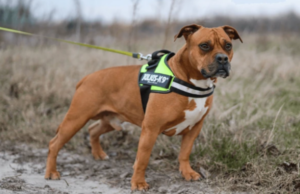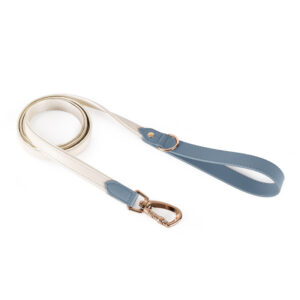
Your brand deserves gear that protects, not harms. An ill-fitting harness risks injury and erodes trust. Elevate your offering with a harness engineered for perfect, healthy fit.
A Y-shaped harness is the superior choice because it distributes pressure evenly across the dog's chest and sternum, completely avoiding the delicate neck area. This design allows for full, natural shoulder movement, making it the safest and most comfortable option for a dog’s long-term health.
As a manufacturer, I've seen countless product trends come and go. But some designs aren't just trends; they're fundamental improvements based on a deep understanding of animal well-being. The Y-shaped harness is one of those breakthroughs. For any business serious about providing top-tier pet products, understanding why this design works is not just a detail—it's a cornerstone of a successful product strategy. Let's explore why this harness is a non-negotiable for any premium pet gear lineup.
Understanding the Y-Harness: What Sets It Apart?
Confused by all the harness types on the market? Choosing the wrong one can hurt your sales and damage your brand's reputation. Let's clarify exactly what makes the Y-harness unique.
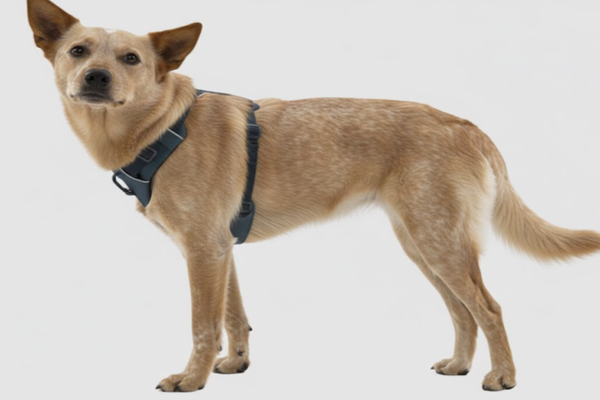
A Y-harness forms a distinct "Y" shape on the dog's chest. Its straps sit above the shoulder blades, come together at the sternum, and pass between the front legs. This structure is fundamentally different from other designs that can restrict movement or put pressure on the throat.
When I first started designing harnesses over a decade ago, our main focus was durability. But I quickly learned that how a harness fits is just as important as how strong it is. The Y-harness was a game-changer. Its brilliance is in its simplicity and respect for the dog's body.
Key Design Elements
The front piece forms a "Y," with the junction resting on the dog's breastbone. This is the core feature. Unlike other harnesses, it has no horizontal strap across the shoulders. The straps are angled away from the sensitive armpit area to prevent chafing and allow the front legs to move freely.
How It Differs from Other Harnesses
Many common harness types can inadvertently cause problems. A horizontal strap across the chest, often seen in "no-pull" or Norwegian-style harnesses, can restrict the natural movement of the shoulder blades. This is a critical flaw. Here is a simple breakdown:
| Harness Type | Key Pressure Points | Impact on Movement |
|---|---|---|
| Y-Shaped Harness | Sternum & Ribcage | Full, unrestricted shoulder motion |
| Saddle/Norwegian | Shoulders & Chest | Can restrict shoulder extension |
| Step-In Harness | Chest & Armpits | Potential for chafing, may restrict shoulders |
Understanding this difference is key to providing products that are truly safe and beneficial for dogs.
The Unmatched Anatomical Benefits of a Y-Shaped Design?
Are you concerned about dogs pulling and choking in ill-fitting gear? This can lead to serious health problems and create bad experiences for your customers. The Y-harness offers a clear anatomical solution.
The Y-shape completely avoids the dog's delicate throat area, preventing choking and potential damage to the trachea and thyroid gland. It also sits clear of the shoulder joints, allowing a natural, unrestricted gait. This is crucial for a dog's long-term joint health.
One of my early partners was a canine physiotherapist. She showed me X-rays of a dog's shoulder movement with different harnesses on. The difference was shocking. Harnesses with a strap across the chest literally blocked the shoulder from moving forward correctly. That day, I committed Boonpets to prioritizing anatomically correct designs like the Y-harness.
Protecting the Neck and Trachea
The neck is a hub of sensitive structures: the trachea, esophagus, thyroid gland, and major blood vessels. When a dog pulls against a collar or a poorly designed harness, all the force concentrates there. A Y-harness bypasses this entire area. The pressure is redirected to the dog's strong breastbone and rib cage, which are built to handle it. This simple change eliminates the risk of choking and long-term damage.
Promoting Natural Shoulder Movement
A dog's stride is a beautiful, efficient motion. For it to work, the shoulder blade (scapula) needs to slide back and forth freely. A horizontal strap acts like a barrier, shortening the dog's stride and forcing an unnatural gait. Over time, this can lead to muscle strain, joint inflammation, and even arthritis. The Y-harness leaves this area completely open, ensuring the dog can walk, run, and play without restriction.
Beyond Anatomy: Performance and Safety Advantages for Every Dog?
Do you need a harness that works for calm walkers and strong pullers alike? A one-size-fits-all approach often fails, leaving some dogs unsafe and uncomfortable. A Y-harness offers versatile performance.
The secure, snug fit of a Y-harness makes it nearly impossible for a dog to back out of, a common issue with other designs. Its adjustability also ensures a perfect fit for various body shapes, increasing both comfort and control without using restrictive mechanics.

We once had a customer, a distributor specializing in gear for active dogs, who was losing sales because escape-artist dogs were wiggling free from the harnesses they stocked. They switched to our fully adjustable Y-harness line. Six months later, they reported a dramatic drop in returns and a surge in positive reviews from owners who finally felt their dogs were secure.
Escape-Proof by Design
The "Houdini dog" is a real problem for pet owners. Many harnesses have a loose fit around the chest, allowing a dog to back up, twist, and slip free. A well-fitted Y-harness prevents this. With adjustment points at the neck and around the ribs, you can create a snug envelope that moves with the dog. The strap between the legs acts as an anchor, making it extremely difficult for a dog to back out when fitted correctly.
Superior Adjustability for a Custom Fit
Dogs come in all shapes and sizes, from deep-chested Greyhounds to broad-shouldered Bulldogs. A product that isn't highly adjustable will fail a large portion of the market. Our Y-harnesses feature multiple adjustment slides—typically two on the neck straps and two on the girth strap. This four-point system allows for a truly customized fit that accommodates different proportions, ensuring the harness sits perfectly without rubbing or shifting.
How to Select the Perfect Y-Shaped Harness: A Guide for Buyers and Retailers?
Want to ensure the harnesses you stock are truly top-quality? Small details in material and construction make a huge difference in safety and durability. Let's examine what to look for.
When selecting a Y-harness, prioritize durable, soft-edged webbing, multiple adjustment points for a custom fit, and strong, reliable hardware like welded D-rings. These features ensure the harness is safe, comfortable, and long-lasting, reflecting well on your brand.
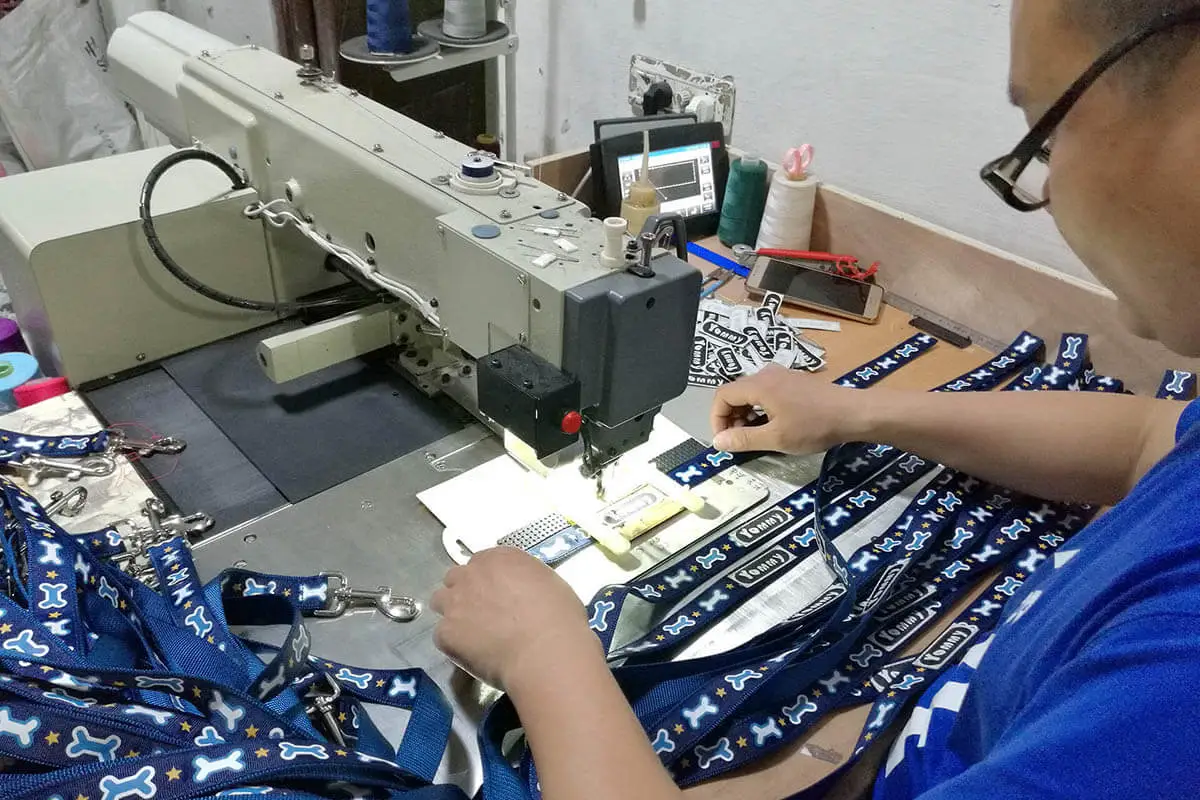
When you're evaluating a product for your store, you have to think like both a business owner and a pet owner. A harness that looks good but fails after a few months is a liability. Your customers need to trust that the gear you sell will keep their pets safe. That's why I obsess over every detail, from the thread we use to the coating on our hardware.
Material and Webbing
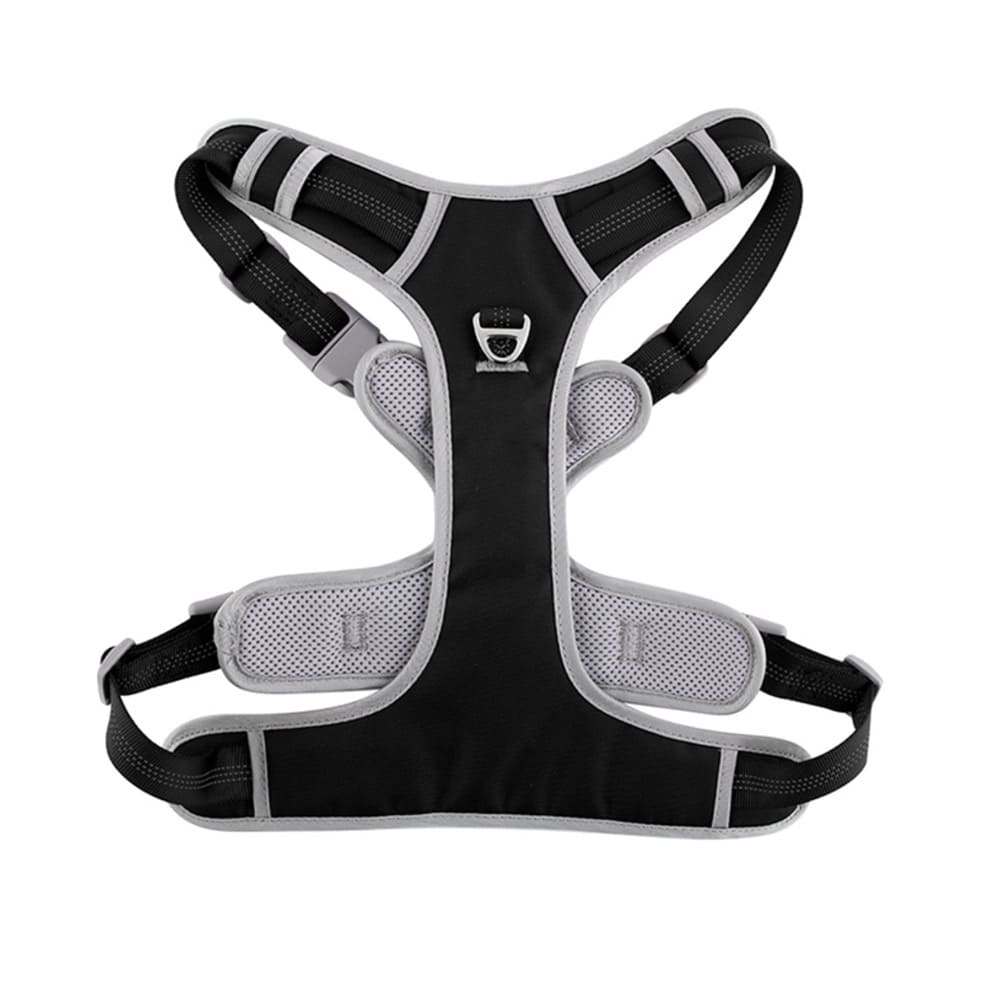
The foundation of a great harness is its material. Look for high-density nylon or polyester webbing that is both strong and resistant to abrasion and UV rays. But strength isn't enough. The edges should be smooth or rounded to prevent chafing against the dog’s skin. We often use neoprene or other soft padding on the chest and back plates to enhance comfort.
Hardware and Stitching
The hardware is the harness’s weakest point if not chosen carefully.
- D-Rings: Should be welded, not just bent into shape. A welded ring won't pull open under pressure. Stainless steel or coated zinc alloy offers the best corrosion resistance.
- Buckles: Look for robust, curved side-release buckles made from high-quality plastic or metal. They should have a secure click and be easy to operate.
- Stitching: Inspect the stitching, especially at stress points where the webbing connects to hardware. It should be dense and reinforced, often in a "box X" pattern, for maximum strength. This is an easy way to spot a cheap product versus a premium one.
Footnote: