Sick of products that can't stand up to tough chewers? Returns and complaints hurt your brand's reputation and profits. I'll show you how to select materials that actually last.
The best solution combines high-denier fabrics like Ballistic Nylon with superior construction, including reinforced seams1 and metal hardware. No fabric is truly "indestructible." But this holistic approach creates maximum resistance, durability, and customer satisfaction, which is what we all want for our brands.
As a manufacturer for over a decade, I've seen countless brands search for the perfect "indestructible" dog product. It's a worthy goal. But before we explore specific materials, we need to discuss a fundamental truth that will save you and your customers a lot of frustration. This is something many suppliers won't tell you, but it's crucial for your long-term success. Let's begin with the most important question of all.
The Hard Truth: Is Any Fabric Truly "Dog-Proof"?
Have you ever promised a "chew-proof2" product, only to face angry customer returns? It’s a common and costly pitfall that can damage a brand's credibility very quickly.
In short, no. A determined dog with enough time and motivation can damage almost any material. The key is to understand the spectrum of durability. Communicating realistic expectations about a product's toughness is essential for building trust and reducing returns. This is what separates good brands from great ones.
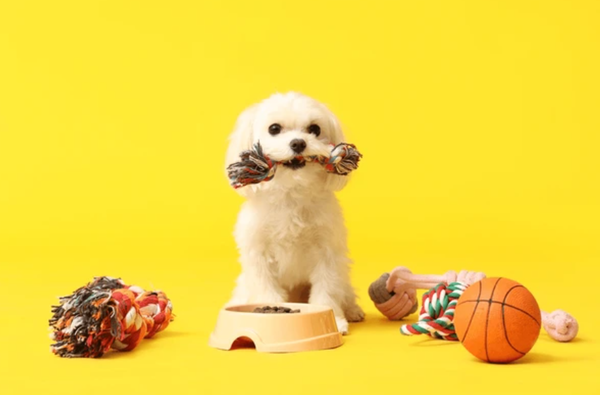
In my 11 years in this business, the biggest lesson I’ve learned is about honesty in marketing. We talk about a spectrum of durability. On one end, you have soft plush toys. On the other, you have materials designed for military gear. "Chew-proof" implies invincibility, which is a promise no one can keep. "Chew-resistant," however, is an honest claim. It tells the customer that the product is built to withstand more abuse than average, but it's not indestructible. This simple language shift builds trust.
Not all dogs chew the same. A dog's ability to destroy a product depends on several things.
Factors Influencing Chewing Power
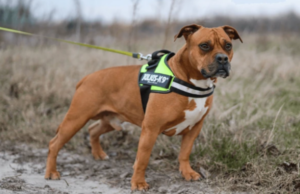
- Breed & Size: A Pit Bull will chew with far more force than a Poodle.
- Age: Puppies often chew to relieve teething pain, while adult dogs may chew out of habit.
- Behavior: Boredom and anxiety are the biggest drivers of destructive chewing. An anxious dog left alone can destroy items it would normally ignore.
Understanding these factors helps us design and recommend products more effectively.
What Are the Toughest Fabrics on the Market for Dog Products?
Choosing the wrong fabric leads to product failures and customer complaints. You need to know which materials offer real durability, not just which ones have a good brand name.
Here is a breakdown of the top contenders. We use these fabrics at Boonpets because they are proven to perform. These materials, like Ballistic Nylon, CORDURA®, and heavy-duty Canvas, offer superior abrasion and tear resistance, making them ideal for products aimed at heavy chewers.
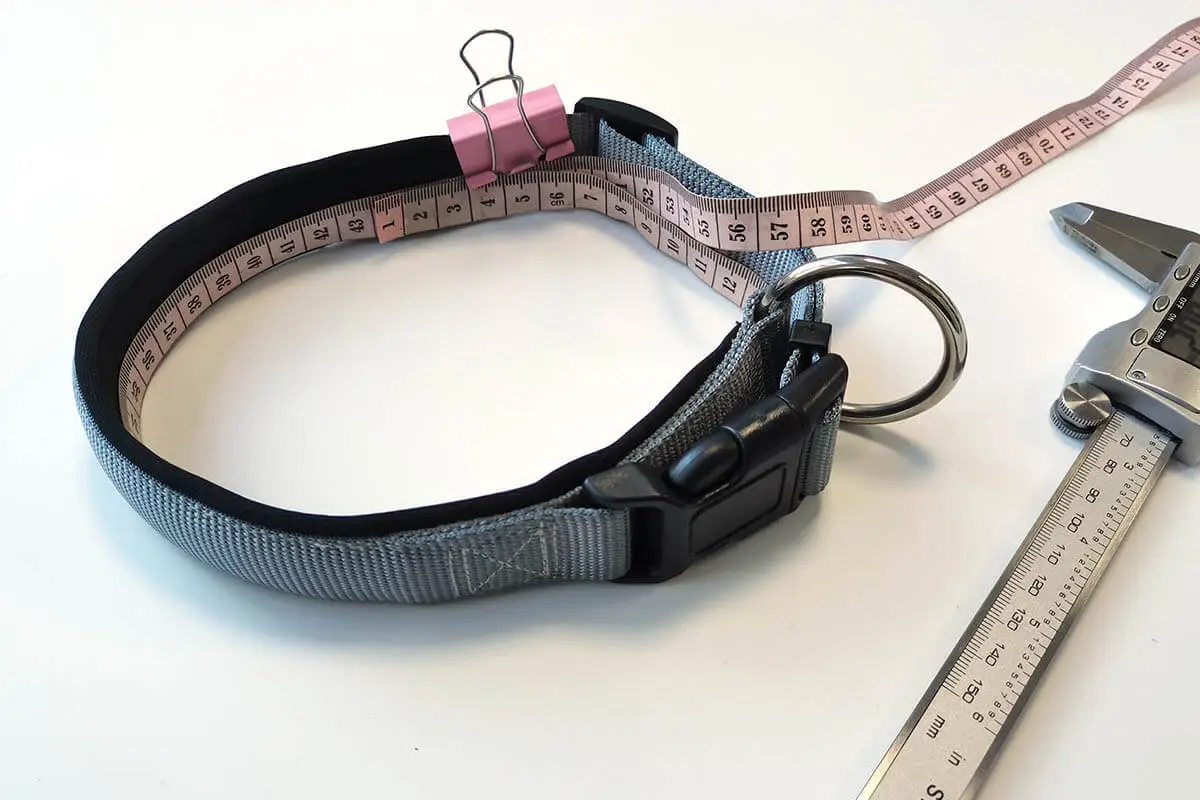
Let's look at the gold standard for durable textiles. When sourcing materials, these are the names you will encounter most often for high-performance gear. They are not just brand names; they represent a category of textiles engineered for extreme toughness.
Ballistic & CORDURA® Nylon: The Gold Standard
Ballistic Nylon was originally developed for World War II flak jackets to protect airmen from shrapnel. It uses a "basketweave" pattern and high-denier yarns, making it extremely resistant to abrasion and tears. CORDURA® is a brand of advanced textiles, not just one fabric. They offer a range of products, including many that look and feel like Ballistic Nylon. Both are excellent choices, but they have key differences that make them suitable for different applications.
| Feature | Ballistic Nylon | CORDURA® (Classic) |
|---|---|---|
| Abrasion Resistance | Excellent | Excellent |
| Tear Strength | Very Good | Excellent |
| Texture | Smooth, somewhat stiff, and slick | Slightly textured, more like canvas |
| Cost | Generally more cost-effective | Often priced at a premium |
| Best For | Dog beds, crate mats, and heavy-duty bags | Harnesses, leashes, and tactical-style gear |
Ripstop Fabrics: The Tear-Stopping Weave
Ripstop fabrics are easy to spot. They have a distinct crosshatch pattern of thicker threads woven into the material. This grid structure does one thing incredibly well: it stops small punctures and tears from spreading across the entire fabric. If a dog's tooth does manage to make a hole, the damage is contained. This feature makes ripstop an excellent choice for lightweight yet durable gear. It’s commonly made from nylon or polyester. We find it works best for products where you need a balance of strength and low weight, like travel beds, some harnesses, and crate liners.
Heavy-Duty Canvas and Duck Cloth
Think of classic workwear or old-school military tents. That's canvas. This material gets its strength from a very simple, tight, plain weave and thick cotton yarns. Its durability is often measured in "ounce weight"—the higher the ounces per square yard, the tougher the fabric. Duck cloth is a type of canvas that has an even tighter weave, making it more wind and water-resistant.
The main pros are its durability and cost-effectiveness. However, traditional canvas absorbs moisture and can become very heavy when wet. It also lacks some of the technical features of synthetics like nylon.
Beyond Fabric Type: Which Technical Specs Really Matter?
You see terms like "1680D" or "PU coated" all the time. But what do they actually mean for your product's performance? Understanding these specs helps you evaluate supplier quality.
These specifications are the true indicators of a fabric's strength and suitability. A material's denier, weave, and coating directly impact its durability, water resistance, and feel. Knowing these details is far more important than just choosing a fabric by its name.
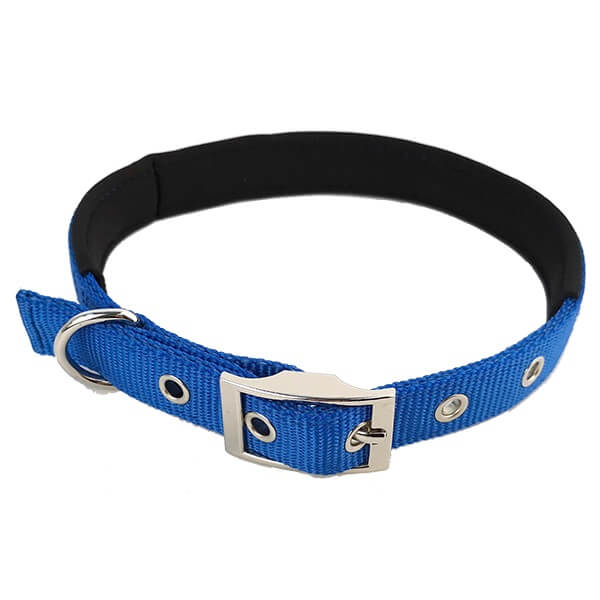
When we source materials at Boonpets, we look past the marketing terms and go straight to the technical data sheets. These three elements are what I focus on to ensure we’re building a genuinely durable product for our partners.
What is "Denier"?
Denier (D) is a simple measurement. It's the mass in grams of 9,000 meters of a single fiber. A higher denier number means a thicker, heavier, and generally more durable fiber.
- 420D - 600D: Good for standard backpacks and daily-use items.
- 1000D: An excellent baseline for durable dog gear like harnesses and standard beds.
- 1680D: This is what we use for our most heavy-duty products aimed at aggressive chewers. It offers superior resistance to abrasion.
Why Weave Matters
The way fibers are woven together is just as important as the fibers themselves.
- Plain Weave: Simple over-under pattern. It's stable and strong, used in canvas.
- Basketweave: Multiple yarns bundled together in an over-under pattern. This creates the flat, abrasion-resistant surface of Ballistic Nylon.
- Ripstop Weave: A standard weave with reinforcement threads added in a grid. This stops tears from spreading.
The Role of Coatings
Coatings are applied to fabrics to add specific properties.
- PU (Polyurethane): A flexible, breathable coating that adds water resistance without making the fabric stiff.
- PVC (Polyvinyl Chloride): A heavier, more waterproof coating. It's extremely durable but not breathable and can make the fabric rigid. It’s great for products like waterproof beds or outdoor cots.
Which Fabrics Should You Avoid for Heavy Chewers?
Are you seeing frequent returns on certain product types? The material might be the problem. Soft, plush fabrics are an open invitation for a dog that loves to chew and tear.
It's critical to avoid fabrics with loose weaves or soft, easily gripped fibers. Materials like fleece, standard cotton, sherpa, and basic polyester plush are simply not designed to withstand the focused chewing of a determined dog. They fail quickly, creating safety hazards.
These materials may be cozy and popular, but they are a liability for any product marketed as durable. My experience has taught me that using these for anything other than comfort-focused items for non-chewers is a recipe for customer dissatisfaction. Here is a quick list of what to steer clear of for products that need to be tough.
- Fleece & Sherpa: These soft, fuzzy materials are incredibly easy for a dog to grip with its teeth. The fibers pull apart with little effort, leading to ingestion risks and rapid destruction.
- Standard Cotton & Denim: While denim feels tough to us, its simple weave can be unraveled by a dog's persistent chewing. Standard cotton is even weaker and tears easily.
- Basic Polyester Plush: This is the common material for stuffed toys. The loose, soft fibers are designed for cuddling, not durability. A chewer can shred this material in minutes.
The primary issue with these fabrics is their structure. The loose weaves and soft fibers give a dog's teeth something to grab onto, and once a tear starts, it continues without resistance. For truly durable products, we always opt for tightly woven, high-denier synthetic fabrics.
How to Build a Truly Chew-Resistant Product (It's Not Just the Fabric)?
You've chosen a tough fabric, but your products are still failing. The problem might not be the material, but the construction. The strongest fabric is useless if the seams burst.
A product is only as strong as its weakest link. Focus on reinforced stitching, metal hardware, and smart design that removes chew targets. This holistic approach to construction is what creates a genuinely durable product that customers will trust and recommend.
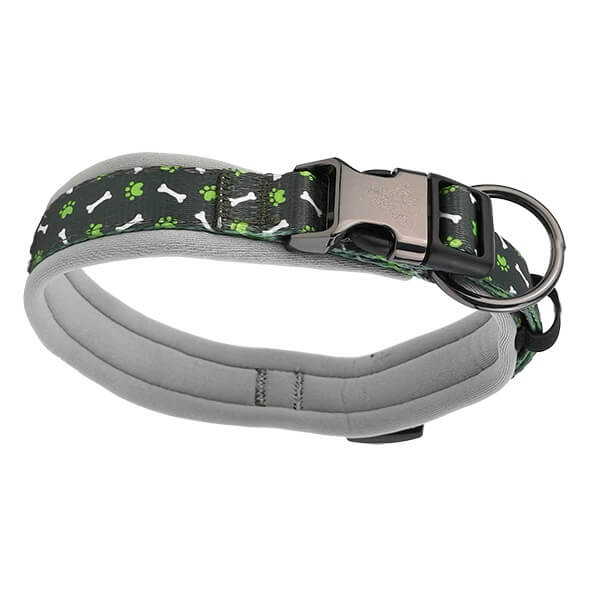
Over the years, I have learned that the devil is in the details. A cheap plastic buckle or a single-stitched seam is a guaranteed failure point. At Boonpets, we've made construction quality a core part of our manufacturing process because we know that’s what ensures our partners receive products that last. If you are sourcing products, these are the details you should be inspecting.
The Importance of Strong Seams
Seams are the most common point of failure on any fabric product. A dog's teeth can worry at a seam, pulling it apart thread by thread.
- Reinforced Stitching: We use triple-stitching or bar tacks (a series of tight zigzag stitches) in all high-stress areas.
- Heavy-Duty Thread: Using bonded nylon thread prevents fraying and provides superior strength compared to standard polyester or cotton threads.
- Hidden Seams: Whenever possible, we design products with seams on the inside. If a dog can't access the seam, it can't chew it.
Hardware & Closures: The Weakest Links
Plastic components will always be a vulnerability.
- Avoid Plastic: We have seen countless products fail because a plastic buckle shattered. For any product marketed as durable, plastic is a non-starter.
- Superior Alternatives: We insist on using metal hardware, like heavy-duty D-rings and slide adjusters. On premium products, we even use high-end hardware like Cobra buckles, which are known for their incredible strength.
- Minimize Zippers: Zippers are a prime target for chewing. We design beds with hidden zippers or strong Velcro®-style closures tucked away under a flap.
Design Philosophy: Reducing Chew Temptation
A smart design can guide a dog away from destructive behavior.
- Smooth Surfaces: We favor designs with taut, smooth surfaces that are difficult for a dog to grip with its teeth.
- Eliminate Chew Targets: We avoid decorative tags, corners, and flaps on products designed for heavy chewers. Every extra piece is a potential starting point for destruction.
- Secure Fit: For harnesses and collars, a tight, proper fit is crucial. A loose strap is an irresistible target for a bored dog.
Conclusion
There is no single "best" chew-resistant fabric. The ideal choice depends on the application. The true solution is a holistic one that combines the a tough material with superior construction.
Footnote: