Having no diea to choose the right harness material? A wrong choice can sink profits and hurt your brand's reputation. Let's navigate the options and find your perfect fit together.
The best material depends on your target customer and brand goals. For entry-level lines, nylon1 is a cost-effective workhorse. For premium outdoor gear, polyester offers all-weather durability. Neoprene provides superior comfort for high-end products, while mesh is ideal for small dogs or hot climates.
Now you have the quick answer. But as someone who has manufactured pet products for over a decade, I can tell you that the material choice goes much deeper. It's a strategic decision that directly shapes your supply chain, your product's market position, and ultimately, your brand's story. It's the foundation for building a product line that doesn't just sell, but also earns customer loyalty2. Let's explore why this choice is your secret weapon.
Why is Material Choice Your Competitive Advantage?
Feeling lost in a sea of generic pet products? Standing out feels impossible when every harness looks the same. The right material instantly sets you apart and attracts your ideal customer.
Your material choice defines your product's quality, cost, and market position. Selecting a high-performance or unique fabric helps you stand out from competitors, justify premium pricing, and craft a brand story that connects with specific buyers, like eco-conscious or performance-focused pet owners.
For over 11 years, I've helped brand partners make these critical decisions. Choosing a material like recycled polyester isn't just about function; it's a powerful marketing story. It tells your customers your brand cares about sustainability. Opting for a harness with soft neoprene3 padding immediately positions your brand in the premium comfort category, allowing for higher margins. Your material selection touches every part of your business. It impacts supply chain stability, your final product cost, and how you differentiate on a crowded shelf. Thinking this way is how you move from just selling pet accessories to building a respected, profitable brand that customers trust.
What Are the Four Most Common Dog Harness Materials?
Overwhelmed by material options? Choosing incorrectly leads to customer complaints and returns. Let's break down the four most popular choices so you can select with confidence for your product line.
The four most dominant materials are Nylon, Polyester, Neoprene, and Mesh. Nylon is the durable, cost-effective standard. Polyester is the all-weather champion. Neoprene specializes in comfort for premium lines. And Mesh offers breathability for small dogs and warm climates. Each serves a specific market need.

As a manufacturer, I work with these "Core Four" materials every single day. Let's break them down so you can see where each one fits into a successful product strategy.
Nylon: The Industry Workhorse
Nylon is the go-to for a reason. It offers incredible tensile strength and durability at a cost-effective price point. This makes it perfect for entry-level to mid-range product lines where performance and value are key. It's strong enough for powerful pullers and resists abrasion well. However, it can absorb water and stretch, and might cause chafing on sensitive dogs unless it's paired with padding.
Polyester: The All-Weather Champion
Think of polyester as nylon's upgraded cousin. It shares similar strength but has superior resistance to water and UV rays. This means it dries faster and the colors won't fade as quickly, making it ideal for outdoor and lifestyle brands. While it can feel a bit stiffer than nylon, its all-weather performance is a fantastic selling point for customers who walk their dogs rain or shine.
Neoprene: The Comfort Specialist
This is the soft, flexible synthetic rubber used in wetsuits. As a harness material, it’s all about comfort. It’s waterproof, quick-drying, and creates a soft cushion that prevents chafing. I've found it's best used as a padding or lining. It instantly creates a high-margin, premium product focused on comfort, perfect for dogs with sensitive skin or for brands targeting the high-end market.
Mesh: The Breathability King
Mesh is a lightweight, woven material designed for maximum airflow. It’s perfect for small dogs, puppies, and for summer collections designed for hot climates. Its main drawback is durability; it's not the right choice for strong pullers or rough conditions. For B2B buyers, it’s a great option for creating specialized, low-cost product lines that cater to the small-breed market.
How Do the Most Common Harness Materials Compare at a Glance?
Trying to weigh the pros and cons of each material is tough. You need durability, but also comfort. You want to keep costs down, but also offer premium features. It's a balancing act.
Here is a simple chart to help you compare the key materials side-by-side. I've designed this to give you a clear, at-a-glance view to make your sourcing decisions easier.
I use charts like this to help my partners quickly identify the best materials for their target market. Here’s a breakdown from a manufacturer's perspective, comparing not just the common fabrics, but also premium and eco-friendly options.
| Material | Durability | Water Resistance | Breathability | Comfort | Cost Index | Best Market Segment |
|---|---|---|---|---|---|---|
| Nylon | High | Low | Low | Medium | $$ | Entry-Level to Mid-Range |
| Polyester | High | High | Low | Medium | $$$ | Mid-Range to Outdoor |
| Neoprene | Medium | High | Low | High | $$$$ | Premium, Comfort-focused |
| Mesh | Low | Low | High | High | $$ | Small Breeds, Hot Climates |
| Leather | V. High | Low | Low | V. High | $$$$$ | Luxury, Fashion |
| Recycled (rPET) | High | High | Low | Medium | $$$ | Eco-Conscious, Mid-Range |
| Hemp | V. High | Medium | Medium | High | $$$$ | Eco-Conscious, Premium |
This table should make it clear how each material serves a different strategy. Nylon and polyester form the backbone of most collections. Neoprene and Mesh allow for profitable specialization. And Leather and eco-fabrics let you capture niche, high-value markets.
What are the Best Niche and Premium Material Options?
Want to move beyond the basics and create a truly unique product? Capturing the premium market requires materials that tell a story of luxury, craftsmanship, or sustainability. Choosing a niche material is your ticket.
These materials create instant differentiation. Options like classic leather cater to a timeless, luxury aesthetic, while eco-friendly innovations like recycled polyester and hemp appeal to the growing market of environmentally-conscious consumers. These are the materials that build a "wow" factor.
Creating high-margin products is my specialty. It’s about more than just a good design; it’s about choosing a material that elevates the entire product.
Classic Leather: Timeless Style & Durability
Leather is the original premium material. It has a high-end look and feel that no synthetic can fully replicate. Over time, it softens and molds to the dog's body, increasing comfort. It's incredibly durable when cared for. However, it's heavy, requires maintenance to keep it in good shape, and comes with a high price tag. For B2B buyers, leather harnesses are perfect for a luxury line targeting fashion-conscious pet owners. They require skilled craftsmanship, but the reward is a premium product with a very high perceived value.
Eco-Friendly Innovations: The Future of Pet Products
This is a segment I'm incredibly passionate about. It's where the market is heading, and it offers a powerful way to connect with modern consumers.
- Recycled Polyester (rPET): This material is made from recycled plastic bottles, but it performs almost identically to virgin polyester. It's a huge win for an eco-conscious brand story.
- Hemp: This natural fiber is amazingly strong, durable, sustainable, and hypoallergenic. It's a fantastic choice for a premium, eco-friendly product line.
- Cork: Cork is a surprising but effective material. Often used as a trim or accent, it's a lightweight, water-resistant, and vegan alternative to leather.
How Does a Buyer Choose the Best Material for Their Customers?
Your customers are asking, "What's the best harness for my dog?" If your product line gives them a clear answer, you win. Guiding them correctly builds trust and reduces returns.
The best material is always a match between the product and the dog's needs. You can empower your customers to choose wisely by building your product features around a simple, 5-factor framework.

I always advise my B2B partners to think like their end customer. We design products and marketing materials around a framework that helps pet owners make the right choice. By building your product tiers around these five factors, you create a logical and easy-to-shop collection. For example:
- Dog's Size and Strength: For a large, strong puller, you need a harness made from high-tensile-strength webbing like nylon or polyester. For a small, gentle dog, a lightweight mesh or padded neoprene harness is a much better and more comfortable fit.
- Activity Level: A dog that loves to swim needs a harness made from quick-drying, water-repellent polyester or neoprene. For a daily city walker, classic nylon is perfectly fine.
- Climate: In hot and humid weather, a breathable mesh harness is a life-saver. For rainy, wet climates, polyester is the clear winner as it won't get waterlogged and heavy like nylon can.
- Skin Sensitivity: For dogs prone to chafing or hot spots, a harness lined with soft neoprene or made from naturally hypoallergenic hemp can make a world of difference.
- Owner's Lifestyle: The pet owner is buying the product. A fashion-conscious owner might gravitate toward a stylish leather harness. An eco-conscious owner will actively seek out products made from recycled rPET or hemp.
What are the Hidden Factors in Material Selection?
Thinking like a manufacturer is your secret weapon. You know fabric matters, but what about the parts holding it together? The best webbing can fail with weak stitching or a flimsy buckle.
This is where true quality is revealed. It’s in the construction details: the type of webbing, the strength of the stitching, and the material of the hardware. These factors separate premium products from the rest.
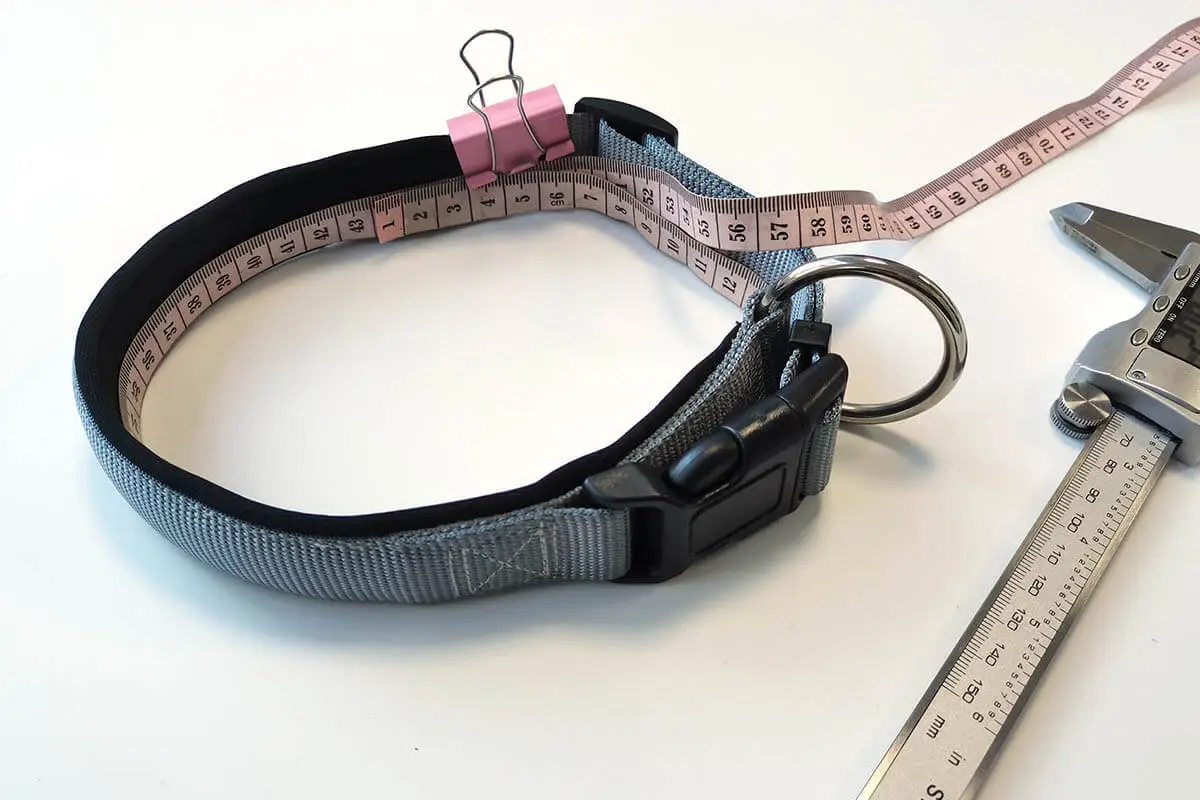
When I'm developing a new product line with a partner, we spend as much time on these "hidden" components as we do on the main fabric. They are critical for safety, durability, and brand reputation. Let's look at what you need to know.
It's Not Just the Fabric
- Webbing Construction: Not all webbing is the same. Flat webbing is standard, but tubular webbing (a flattened tube) is often stronger and has smoother edges, reducing chafing.
- Stitching Excellence: The single most important safety feature. We use bar-tack stitching—a series of dense, repeated stitches—at all stress points like D-ring loops and buckle attachments. This is far superior to a simple box stitch and is a clear sign of a high-quality product.
The Right Hardware
The buckles and D-rings are what your customer interacts with every day.
- POM (Acetal) Buckles: This is the industry gold standard. It’s strong, lightweight, and reliable across temperature ranges.
- Aluminum Alloy: A premium choice. Lighter than zinc alloy but very strong and corrosion-resistant. It’s perfect for lightweight or tactical-style gear.
- Zinc Alloy: Heavier than plastic or aluminum, giving a premium, substantial feel. It can be plated in various colors to match your brand aesthetic.
- Stainless Steel: The ultimate for strength and corrosion resistance. It's the best choice for heavy-duty or marine applications where failure is not an option.
What Supply Chain and Cost Factors Should I Consider?
Are you thinking about your supply chain? Raw material availability and price stability can make or break your margins. Unstable costs for niche materials can quickly erase your profits.
Choosing a material is also a financial and logistical decision. You must balance the material's market appeal against its supply chain stability, overall cost, and the safety standards it must meet.
This is the part of the process where having a manufacturing partner you trust is invaluable. We manage these variables every day. Here’s a quick look inside what we consider when helping a client select the right material from a business perspective.
- Supply Chain: Common materials like nylon and polyester have a very stable and predictable supply chain. Newer or eco-friendly materials like rPET and hemp can have more price volatility and longer lead times. We help our partners plan for this to ensure consistent stock.
- Costing: The fabric is a primary driver of your FOB (Free on Board) price, but it's not the only one. The complexity of the harness construction, the type of stitching, and the choice of hardware all play a significant role. A simple nylon harness will cost less than a complex neoprene-padded one, even if the amount of material is similar.
- Quality & Safety Standards: This is non-negotiable. At Boonpets, we ensure our textiles are certified by OEKO-TEX®, meaning they are free from harmful substances. Furthermore, we conduct rigorous tensile strength testing on all webbing, hardware, and stitched connection points. This third-party verified quality assurance is what allows you to confidently stand behind your product and your brand.
Conclusion
The "best" harness material is a strategic choice based on your target market, product tier, and brand identity. Partnering with an expert manufacturer gives you a decisive advantage.
Ready to develop a product line with the perfect material mix for your market? Contact our specialists today to discuss your sourcing needs and get a private consultation.
Footnote: