
You see demand for shock collars but face ethical concerns and legal risks1. Stocking them could boost sales with one customer segment, yet alienate another, damaging your brand's reputation.
Also known as electronic or e-collars, these devices deliver a static pulse to correct unwanted behaviors. For businesses, they are a profitable but high-risk category. While professionals create demand, growing consumer backlash and legal bans in many regions are pushing retailers toward safer, humane alternatives2.
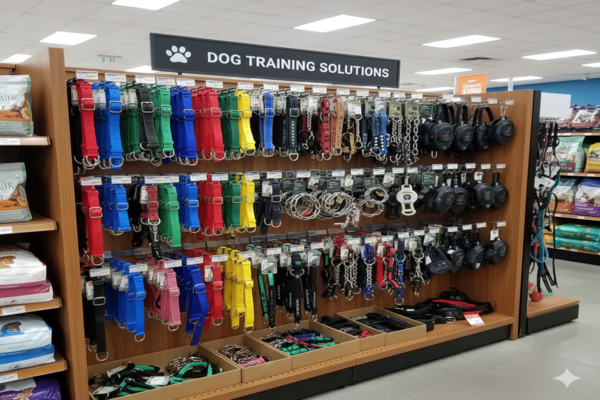
As the founder of a pet products company, I've watched the debate around e-collars intensify for over a decade. It’s one of the toughest inventory decisions a procurement manager has to make. There's undeniable demand from a slice of the market, particularly professional trainers. But aligning with these products can clash with the trust-based, wellness-focused brand image most pet retailers want to build. To make the right call for your business, you need a clear-eyed view of the pros, the cons, and the profitable alternatives that are emerging.
Why Is There Still Demand for Shock Collars in Training?
You're trying to build a modern, humane pet supply brand. Yet, you keep getting requests for shock collars, leaving you torn between customer demand and your company's values. Let's look at why they remain popular.
The demand for e-collars persists, mainly from professional trainers and owners of working dogs. They see them as reliable tools for off-leash training and correcting severe behaviors like aggression or chasing livestock. For retailers, this niche offers high-margin sales, but it serves a shrinking customer base.

I've had many frank conversations with distributors who stock e-collars. They tell me it’s not about mainstream pet owners anymore. The core buyers are in specialized fields: K9 handlers, hunting dog enthusiasts, and behaviorists who work with last-resort cases. For them, the e-collar is a communication device for situations where a leash isn't practical and instant correction is needed for safety. For a retailer, the "pro" is purely financial—these are often high-ticket items. But it's a double-edged sword. Catering to this niche might mean sacrificing the much larger, and growing, market of pet owners who are actively seeking positive, force-free training methods.
Balancing Retail Demand and Professional Use
The business case for shock collars rests on serving a specific, high-value customer segment while being aware of the broader market's disapproval.
- Professional Training Applications: For trainers working on advanced off-leash obedience or with high-prey-drive dogs, an e-collar provides a remote, non-emotional correction. It can stop a dog from chasing a car or wildlife from a distance, which is a powerful safety argument for this user group.
- Retail Demand and Margins: E-collars often have a higher price point and better profit margins than standard collars or harnesses. For a business, this is tempting. However, this demand is concentrated and not representative of the average pet owner.
- The "Last Resort" Argument: Many who purchase these collars have tried other methods without success. They are often dealing with severe behavioral issues and see the e-collar as their final option before rehoming or euthanasia. This creates a powerful, albeit sad, market driver.
As a manufacturer, I believe our responsibility is to provide tools that strengthen the human-animal bond. This is a core reason why Boonpets has chosen to focus on other types of training aids.
What Are the Business Risks of Selling Shock Collars?
You're considering adding shock collars to your product line for the margin. But you're worried about potential brand damage, customer complaints, and navigating a confusing web of regulations. This decision carries significant hidden costs.
The biggest risks are legal and reputational. Many countries and regions in Europe and North America have banned or restricted their sale and use. Associating your brand with these controversial products can lead to consumer backlash, alienate business partners, and create serious compliance headaches.

Several years ago, one of our distribution partners in Europe faced a nightmare scenario. A law changed practically overnight, making their entire inventory of e-collars illegal to sell. They were stuck with thousands of dollars of unsellable stock. This is the kind of supply chain risk I always caution my partners about. Beyond the legal issues, there is a powerful ethical debate3. Animal welfare organizations, veterinary associations, and influential trainers worldwide condemn their use. When your brand appears on a shelf next to a product they label as cruel, you inherit that reputation by association. It's a risk that, in my opinion, isn't worth the short-term profit.
Key Ethical and Legal Considerations
For a B2B buyer, understanding these risks is crucial for long-term strategic planning.
| Risk Category | Description | Business Impact |
|---|---|---|
| Legal & Compliance | Bans and restrictions are increasing globally (e.g., Germany, Netherlands, Wales, parts of Australia). Laws change fast. | Unsellable inventory, fines, and legal challenges. It complicates international supply chains. |
| Ethical Debate | Major vet and welfare groups argue that e-collars cause fear, anxiety, and redirected aggression, damaging the owner-dog bond. | Negative brand association, loss of trust from mainstream customers who prioritize animal welfare. |
| Consumer Backlash | Social media campaigns can quickly target retailers who sell shock collars, leading to public shaming and boycotts. | Significant damage to brand reputation, loss of sales across all product categories. |
| Product Misuse | The potential for misuse by inexperienced owners is high, which can lead to physical and psychological harm to the dog—and liability for you. | Customer complaints, returns, and potential legal liability. |
What Do Vets and Trainers Recommend Instead?
Your customers trust you to offer safe and effective products. When they ask about training a difficult dog, you want to provide solutions that vets and certified trainers actually endorse. Where should you focus your inventory?
The overwhelming consensus from veterinary and modern training professionals is to use positive reinforcement methods. They recommend tools that support this approach, like clickers, treat pouches, front-clip harnesses, and puzzle toys. These items are in high demand and carry zero reputational risk.
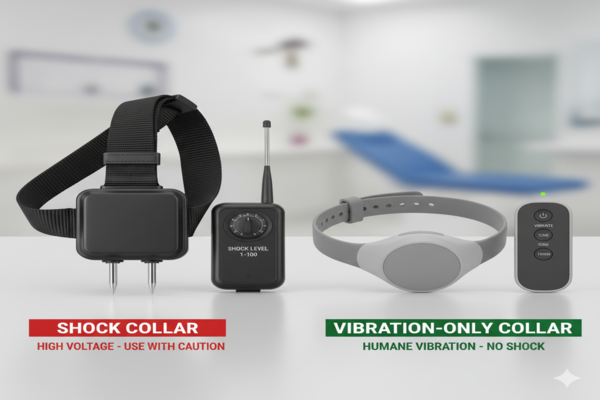
As a manufacturer, my job is to listen to the experts. We regularly consult with veterinary professionals and certified trainers when developing new products. Their message is consistent: training should be about building communication, not instilling fear. They point out that shock collars suppress behavior but don't teach the dog what to do. This is why we've focused our innovation on products like our multi-functional harnesses and snuffle mats. These tools help owners manage their dogs safely and provide the mental enrichment that trainers recommend to solve behavioral problems at their source. Stocking products that have professional backing makes you a credible resource for your customers.
Building a Vet-Approved Inventory
Shifting your focus from controversial tools to vet-recommended ones is a smart business move. It aligns your brand with expertise and positive animal welfare.
- Management Tools: Products like no-pull harnesses and head halters help owners manage pulling on the leash without causing pain. These are high-demand items for everyday dog owners.
- Enrichment and Mental Stimulation: Boredom is a primary cause of nuisance behaviors. Snuffle mats, puzzle toys, and long-lasting chews give dogs a "job" to do, reducing barking and destructiveness. This is a rapidly growing market segment.
- Positive Reinforcement Aids: Clickers, high-value treat pouches, and target sticks are essential tools for positive reinforcement training classes. Stocking these makes your store a one-stop-shop for new puppy owners.
Partnering with a supplier who understands and develops these types of products positions you as a leader in the modern pet care space.
What Are the Best Business Alternatives to Shock Collars?
You've decided against shock collars, but you still need high-margin training solutions. The good news is, the market for humane alternatives is exploding. Where should you invest for the best return?
Focus on high-demand, humane remote training solutions. This includes advanced vibration-only collars, ultrasonic trainers, and comprehensive training kits that bundle management tools with educational resources. These products meet consumer demand for correction without causing pain, offering a profitable and ethical alternative.
At Boonpets, we saw this trend coming years ago. We deliberately invested our R&D into developing remote trainers that use only vibration and sound. These devices offer the same benefits of remote communication that professionals seek, but without the ethical baggage of static shock. We found that a powerful, distinct vibration is enough to get a dog's attention from a distance, effectively interrupting unwanted behavior. By packaging these with clear instructions and offering them to our partners, we help them capture the "remote trainer" market segment without any of the risks. This is about smart substitution: replacing a problematic product with a superior, modern solution.
High-Demand Humane Training Solutions
Investing in these categories aligns your business with market trends and consumer values.
- Vibration and Sound Remote Trainers: These are the direct, 1-to-1 replacement for e-collars. They provide immediate, remote feedback to a dog without using a static pulse. Look for models with multiple vibration patterns and levels to ensure they are effective for different sensitivities.
- Ultrasonic Handheld Trainers: These devices emit a high-frequency sound that is unpleasant but not harmful to dogs. They are great for interrupting barking or jumping from a distance and are popular with casual pet owners.
- No-Pull Harness and Leash Systems: This is a massive market. Front-clip harnesses paired with double-ended leashes are the go-to recommendation from trainers for managing pulling. Offering high-quality, durable systems is a guaranteed seller.
- Calming and Anxiety Solutions: For behaviors rooted in anxiety, products like calming vests, pheromone diffusers, and supplements offer a solution-oriented approach that resonates with worried pet owners. This category is growing rapidly.
By focusing on these alternatives, you not only avoid the controversy of shock collars but also position your business as a forward-thinking, trustworthy leader in the pet industry.
Conclusion
The business case for shock collars is weakening. For long-term growth and brand integrity, focusing on the growing market for humane, vet-approved training alternatives is the smarter, more profitable strategy.
Footnote:
Investigate the legal landscape surrounding shock collars to avoid potential pitfalls for your business. ↩
Find out about humane alternatives that can replace shock collars while meeting consumer demand. ↩
Delve into the ethical debate to understand the implications of selling shock collars in your business. ↩