Constant barking creates stress. You want a solution but feel overwhelmed by the options. Understanding how bark collars work helps you make the right choice for your dog or business.
Bark collars detect barking through throat vibrations or sound. They then emit a stimulus—like a vibration, tone, spray, or static pulse—to interrupt the unwanted behavior. Each type is designed to redirect the dog's focus and reduce excessive barking through consistent training.

The goal of any training tool is to be both effective and humane. As someone who has spent over a decade developing pet products, I've seen how important it is to match the tool to the dog's temperament and the owner's training philosophy1. The market offers several kinds of bark collars, each with a different approach. Let's look closely at how they function, so you can decide what makes sense for you, whether you're a pet owner or a retailer stocking your shelves.
What Are the Main Types of Bark Collars and How Do They Function?
Choosing a bark collar feels overwhelming. You worry about which type is safe, humane, and actually effective for a specific dog. Let's compare the four main types—vibration, sound, spray, and static—to help clarify your decision.
Each collar type uses a different stimulus to interrupt barking. Vibration collars buzz against the dog's neck, sound collars emit a high-pitched tone, spray collars release a harmless citronella mist, and static collars deliver a very mild electrical pulse. All are designed to get the dog's attention.
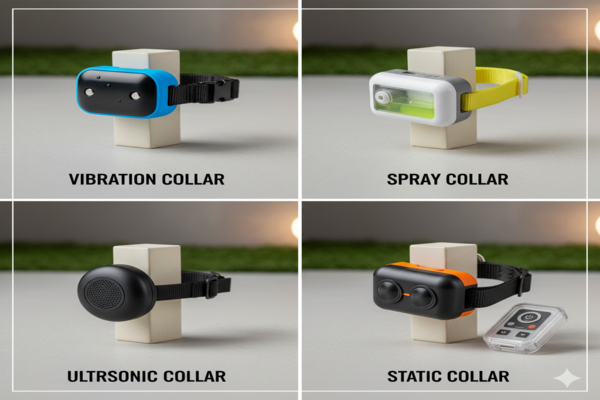
The technology behind these collars is quite simple, but the dog's reaction to each can vary greatly. In my experience, what works for a stubborn Beagle might not be suitable for a sensitive Poodle. It's about finding the lowest-level correction that effectively communicates with the dog. At Boonpets, we've focused on developing collars that offer multiple, adjustable settings, because customization is key to successful training.
Comparing Correction Methods
The primary difference lies in the sensory experience for the dog. Some dogs respond to a simple sound, while others need a more physical cue.
| Collar Type | How It Works | Best For |
|---|---|---|
| Vibration | A small motor creates a buzzing sensation on the neck. | Hearing-impaired or sound-sensitive dogs. |
| Sound | Emits an ultrasonic (high-frequency) tone only dogs hear. | Dogs sensitive to noise; good for all sizes. |
| Spray | Releases a short burst of citronella or unscented mist. | Dogs with a strong sense of smell. |
| Static | Delivers a mild, safe static pulse, like a carpet shock. | Stubborn barkers needing a stronger cue. |
The choice often comes down to the dog's personality and the owner's comfort level. Vibration and sound collars are widely seen as the gentlest options. Spray collars use the element of surprise and scent. Static collars, while controversial, offer an effective last resort for persistent barkers when used correctly on the lowest settings.
Are Bark Collars Actually Effective and What Are Their Limits?
You've bought a bark collar, but the barking hasn't stopped. You wonder if it's the wrong tool or if you're using it incorrectly. Let's talk about realistic expectations and why success isn't guaranteed.
Bark collars can be very effective for many dogs, but they are not a magic fix. Their success depends on the dog's temperament, the consistency of use, and whether the root cause of barking2 is addressed. They are training aids, not standalone solutions for anxiety or boredom.
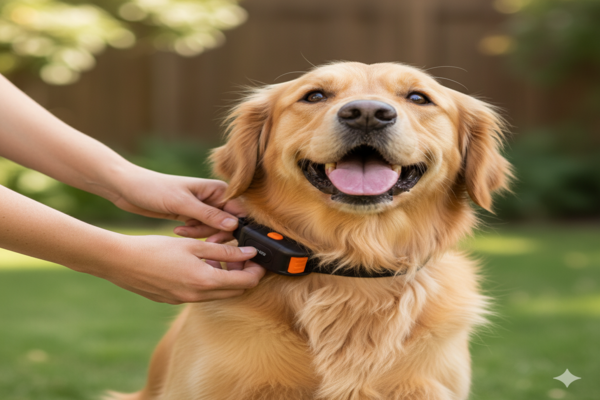
A bark collar is a tool for communication, not punishment. Its job is to interrupt a behavior-barking. If the dog is barking from separation anxiety, fear, or boredom, the collar only stops the symptom, not the cause. I always advise partners and customers to pair a bark collar with positive reinforcement training. When the dog is quiet, reward it. This teaches the dog what you want it to do, which is far more effective in the long run. The collar becomes a temporary guide, not a permanent fixture.
Understanding True Effectiveness
To use a bark collar effectively, you must see it as part of a larger training strategy.
- Behavioral Interruption: The collar's primary job is to create an immediate, consistent consequence for barking. This breaks the dog's fixation and gives the owner a chance to redirect its attention.
- Identifying the Cause: A collar won't fix boredom or anxiety. If a dog barks because it's lonely, it needs more social interaction or mental stimulation, not just a correction. Think chew toys, puzzle feeders, or more exercise.
- Inconsistent Results: Some dogs learn to ignore the stimulus, especially if it's too low. Others might become anxious if the correction is too high. This is why adjustable levels are so important. We design collars with 5-7 levels of intensity to help owners find that "just right" setting.
Success is about a balanced approach: use the collar to manage the barking while you work on solving the underlying problem.
How Can You Use a Bark Collar Safely and Properly?
You worry a bark collar might hurt or scare your dog. Misuse can lead to anxiety or skin irritation, undermining your training efforts. Let's cover the essential safety steps to ensure a positive outcome.
Proper use is critical for safety and effectiveness. Ensure the collar fits correctly—snug enough to detect barks but loose enough to fit two fingers underneath. Never leave it on for more than 8-10 hours, and regularly check the dog's neck for any signs of irritation.
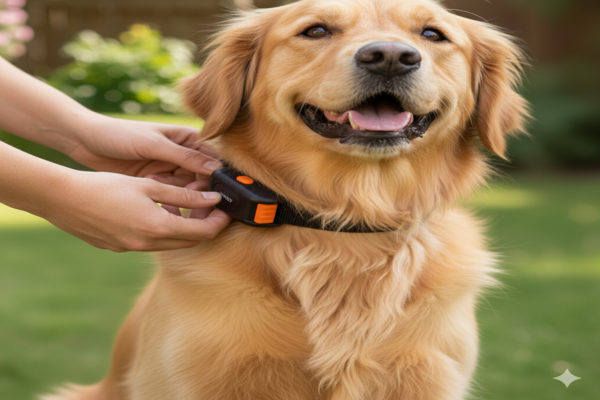
Over my years in this industry, the most common problems I've heard about stem from improper usage, not a faulty product. A bark collar is an active training tool, not a "set it and forget it" device. When I started Boonpets, I made it a priority to include clear, simple instructions with all our products. A well-informed owner is a successful owner. It’s also crucial to start on the lowest correction level and only increase it if the dog doesn't respond. The goal is to get their attention, not to frighten them.
Key Steps for Proper Usage
Following a simple checklist can prevent most common issues and ensure the tool works as intended.
- Introduce the Collar Slowly: Let your dog wear the collar for short periods while turned off. This helps them get used to the feel of it without associating it with a correction. Let them wear it during fun activities, like playtime or treat time.
- Ensure Correct Fit and Placement: The collar must be high on the dog's neck, with the device centered under the chin. If it's too loose, it won't detect the vocal cord vibrations and may activate incorrectly from external noises. If it's too tight, it can cause "pressure necrosis," a serious skin condition.
- Start at the Lowest Setting: Always begin training with the lowest possible correction level (tone or vibration). Only increase the intensity if your dog completely ignores the stimulus. Many dogs respond to the gentlest setting.
- Monitor Your Dog’s Neck: Remove the collar daily and inspect your dog's skin for redness or sores. Clean both the dog's neck and the collar probes regularly to prevent bacterial buildup. A happy dog is a healthy dog, and that's our ultimate goal.
What Should a Business Buyer Look for in a Bark Collar Supplier?
Your customers demand effective, safe products, but sourcing them is tough. You face unreliable suppliers, high minimum orders, and generic items that don't stand out. This hurts your margins and brand reputation.
When choosing a supplier, prioritize one who offers low MOQs, customization, and proof of compliance. A true partner manufacturer helps you build your brand with unique, certified products, ensuring you can compete the market and meet your customers' needs.

I built Boonpets to solve these exact problems for procurement managers like Alex. Early on, I realized that distributors and retailers didn't just need products; they needed a reliable manufacturing partner. They needed someone who could deliver consistent quality, offer design flexibility, and understand the complexities of international markets. That’s why we offer complete customization—from the logo on the collar to the language on the packaging. We handle the production complexities so our partners can focus on growth. This approach has helped us build long-term relationships in over 30 countries.
The Hallmarks of a Great Manufacturing Partner
For a B2B buyer, the supplier relationship is just as important as the product itself. Here’s what to look for.
- Low Minimum Order Quantities (MOQs): High MOQs tie up your cash in inventory. A supplier with low MOQs, like we have at Boonpets, allows you to test new products with minimal risk and manage your cash flow more effectively.
- Customization and Private Labeling: To stand out from Amazon and other large competitors, you need a unique product. A good partner will work with you to customize everything from materials and colors to branding and packaging. This turns a generic item into your product.
- Verified Quality Control and Compliance: Ask for third-party inspection reports and certifications (like CE, RoHS). This guarantees the product is safe, effective, and legal to sell in your market. As a manufacturer, we welcome these audits because they demonstrate our commitment to quality. A supplier who avoids this is a red flag.
A partnership should be about mutual growth. Your supplier should be invested in your success, helping you solve problems and scale your business.
What Are the Alternatives to Bark Collars and Future Trends?
Sometimes a bark collar isn't the right fit. Relying on one tool might not address the root cause of barking2, leaving you and your dog frustrated. Let's explore other effective solutions and what's next.
Alternatives focus on addressing the cause of barking. This includes positive reinforcement training3, increased exercise, puzzle toys4 for mental stimulation, and anti-anxiety solutions like calming vests. The market is shifting toward holistic, multi-faceted approaches to dog behavior.
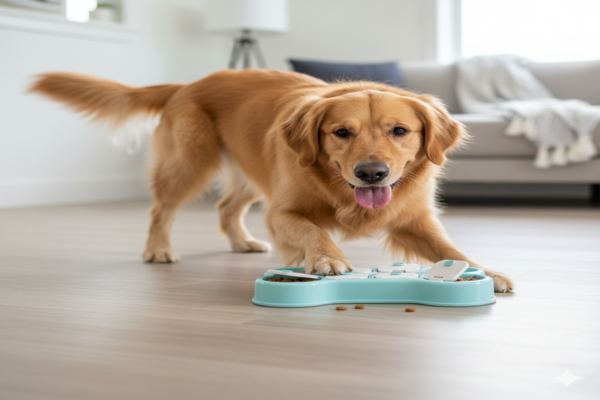
As a manufacturer, I'm always watching market trends. The biggest shift I've seen is toward "smart" pet technology and positive reinforcement. Owners want tools that integrate with their lives and support a positive relationship with their pets. For example, we're exploring collars that not only correct barking but also track activity levels. This gives owners more data to understand their dog's needs. Another trend is the demand for products made from sustainable, eco-friendly materials. Pet owners are more conscious than ever about their purchasing decisions.
Moving Beyond the Collar
A well-rounded approach often yields the best results. Here are some powerful alternatives and trends shaping the future of pet care.
- Positive Reinforcement Training: Instead of correcting barking, you reward quiet. This method, advocated by trainers worldwide, builds a stronger bond and teaches the dog desired behaviors. It's about teaching "quiet" as a command.
- Environmental Enrichment: Boredom is a huge cause of barking. Interactive puzzle toys, snuffle mats, and regular exercise tire a dog out mentally and physically, reducing the urge to bark. We've seen sales of our snuffle mats soar as owners embrace this.
- Anti-Anxiety Solutions: For dogs critérios bark due to stress or separation anxiety, tools like calming vests (which apply gentle, constant pressure), pheromone diffusers, or even vet-prescribed medication can be more effective than a bark collar.
The future is integrated pet care, where training tools, enrichment, and wellness products work together. As a business, stocking a range of these solutions will better meet the diverse needs of modern pet owners.
Conclusion
Understanding how bark collars work, their limitations, and the alternatives disponíveis helps everyone. It allows pet owners and business buyers alike to make informed, humane, and effective choices for dogs.
Footnote:
Explore how a consistent training philosophy can enhance your dog's learning experience. ↩
Find out how to address the underlying causes of barking for better training outcomes. ↩
Explore the benefits of positive reinforcement training as a humane alternative to collars. ↩
Discover the top puzzle toys that can keep your dog engaged and reduce barking. ↩