Struggling with slow-moving inventory because you guessed wrong on colors and styles? Dead stock ties up your cash flow, shrinks your profit margins, and prevents you from investing in proven winners.
The fastest-selling pet accessories depend on your specific market. Classic colors like black, red, and blue are always safe bets. For styles, no-pull harnesses lead in the premium market, while basic step-in harnesses sell best in budget-conscious segments. Understanding these distinctions is key.
After manufacturing and shipping pet accessories to over 30 countries for more than a decade, I've learned that there's no single "magic color" or "perfect style." Success comes from understanding the nuances of your customer base. What flies off the shelves in the UK might sit for months in a warehouse in Italy. Let's dig into the data and insights that help my partners make smarter, more profitable buying decisions.
What are the trending colors in dog leashes and harnesses this season?
Chasing every new color trend feels like a gamble. You can invest heavily in this season's hot new shade, only to have it look dated and undesirable by the next, leaving you with useless inventory.
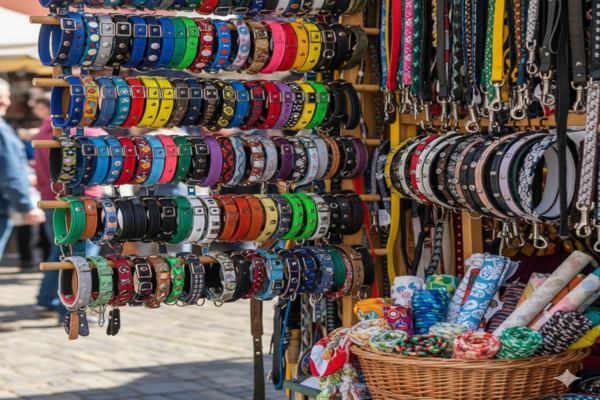
While seasonal palettes1 like pastels for spring exist, the vast majority of sales come from a core group of classic colors: black, red, and blue. Successful trend integration means focusing on regional preferences2, like earthy greens in the UK.
I always advise my partners to apply the 80/20 rule to their color selection. About 80% of your inventory and sales will come from timeless, core colors that customers buy year after year. The other 20% is where you can play with trends to create excitement and attract fashion-forward buyers. The key is to make that 20% a smart, calculated bet based on regional data, not just a random guess.
Core Colors vs. Regional Trends
Understanding the difference between a core color and a regional trend is crucial for inventory management. Core colors are your foundation, while regional trends are your high-margin accents.
- Global Core Colors: These are the non-negotiables. They have universal appeal and consistent demand.
- Regional Preferences: These are influenced by culture, climate, and even local landscapes. For example, as my data shows, green is incredibly popular in the UK, reflecting the country's lush countryside.
Here's a simple guide to help you build a balanced color portfolio:
| Region/Market | Popular Core Colors | Trending Regional Colors | My Insight |
|---|---|---|---|
| Global Baseline | Black, Red, Royal Blue | Varies (e.g., Pantone's color) | These are your inventory backbone. Never run out. |
| UK & North Europe | Forest Green, Navy | Mustard, Rust, Earth Tones | The palette here often mirrors the natural environment. |
| Italy & South Europe | Bright Blue, Orange | Coral, Vibrant Yellow | Sunny climates drive demand for brighter, bolder shades. |
| North America | Red, Blue, Classic Pink | Varies by sub-culture | A diverse market where classics perform reliably well. |
By balancing your inventory this way, you ensure steady sales from core products while capturing extra profit from well-chosen trends.
Which styles of collars have the highest repeat purchase rates?
Are you stocking collar styles that are just a one-time purchase? If your products don't give customers a reason to buy again, you're stuck in a constant, expensive cycle of customer acquisition.
Collars with high-quality, fashionable webbing have the highest repeat purchase rates3. While a buckle is just a buckle, a unique pattern, color, or material encourages owners to buy multiple collars for different seasons or occasions, treating them like a true accessory.
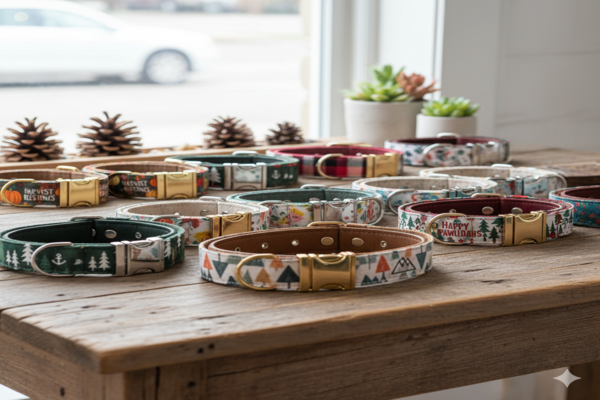
I've seen this firsthand with my partners. One of our clients in France was selling basic, solid-color nylon collars. Sales were flat. We worked with them to develop a small collection of custom-designed patterns for spring and autumn. Their repeat purchase rate within the collar category nearly doubled in a year. Pet owners who loved the quality of the first collar came back specifically to get the new seasonal design. They weren't just buying a replacement; they were updating their dog's wardrobe.
Driving Repeat Sales Through Style
The key to repeat purchases is to move the customer's mindset from "utility" to "fashion." A collar should be more than just a tool to hold ID tags.
- Focus on the Webbing: This is your canvas. Offering a variety of materials (like soft-touch nylon or eco-friendly rPET) and unique, proprietary patterns makes your product line stand out.
- Introduce Seasonal Collections: Launching small, limited-edition collections for spring/summer and fall/winter creates urgency and gives loyal customers a reason to come back.
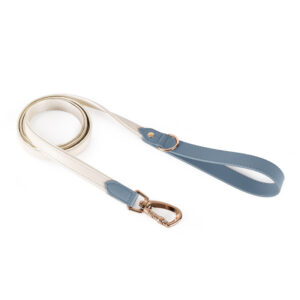
- Offer Matching Sets: Always sell a matching leash for every collar design. This simple strategy significantly increases the average transaction value and encourages a "collector" mindset among pet owners.
By shifting your focus to the aesthetic and material quality of the collar itself, you transform a simple utility item into a desirable fashion accessory that customers will buy again and again.
Why do seasonal colors affect wholesale ordering patterns?
Are you missing out on peak sales because your inventory doesn't align with the seasons? Ordering the same products year-round means you're ignoring powerful consumer buying triggers tied to holidays and seasons.
Wholesale ordering patterns must follow seasonal consumer demand. Retailers need brighter colors in spring and festive designs like plaids for the winter holidays. As a supplier, having these options ready prompts larger, earlier orders from buyers planning their seasonal assortments.
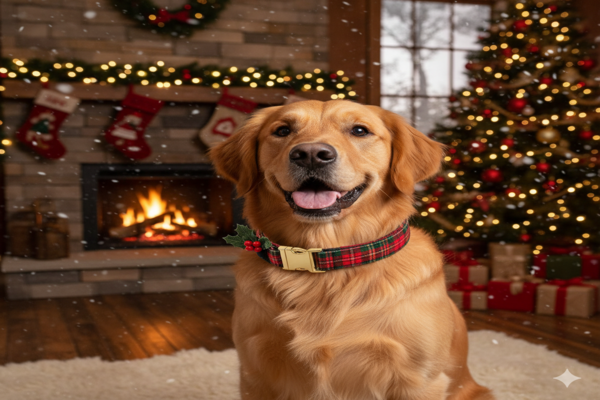
Every year, my production schedule shifts. Starting in late summer, we see a massive spike in orders for deep reds, greens, and classic tartan patterns. Why? Because smart procurement managers like Alex are already planning their Christmas and holiday displays. Then, as we move into the new year, the orders shift to pastels and bright, fresh colors for spring collections. If we didn't anticipate this and have these seasonal options ready to show, our partners would go to another manufacturer who does.
Aligning Your Orders with the Seasons
To maximize sales, your ordering strategy should be proactive, not reactive. You need to order seasonal inventory well before the season actually starts.
- Q1 Planning (for Spring/Summer): This is the time to order pastels, bright florals, and nautical themes. Think about Easter, Memorial Day, and the start of summer vacation.
- Q3 Planning (for Fall/Winter): Your focus should shift to warmer tones. Order earthy colors like rust and olive for autumn, and festive patterns like plaid or sparkly designs for the holiday shopping season.
Here's how this impacts your ordering from a manufacturer like us:
| Season | Popular Themes & Colors | When to Place Wholesale Order | Retailer's Goal |
|---|---|---|---|
| Spring/Summer | Pastels, Brights, Florals | Late Q4 / Early Q1 | Capture "new year, new gear" and vacation shoppers. |
| Fall/Winter | Earth Tones, Plaid, Deep Reds | Late Q2 / Early Q3 | Secure inventory for the crucial holiday gift season. |
Staying ahead of the seasonal curve ensures you have the right products on your shelves at the exact moment your customers are looking for them.
Is your premium product line failing to command a premium price? If your high-end accessories look just like your budget options, customers won't see the value, and your margins will suffer.
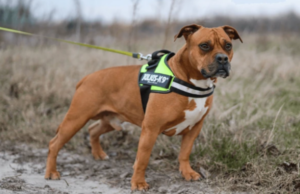
In the premium market, popular designs focus on function, comfort, and sophisticated aesthetics. No-pull harnesses with multiple adjustment points, ergonomic handles4, and high-end materials like custom-printed webbing and durable, stylish hardware are the top sellers.
This is where true manufacturing expertise really shines. In the lower-end market, price is the main driver, so basic step-in harnesses made from simple webbing are popular. But our premium clients demand more. They're not just selling a harness; they're selling a better walk. We work with them to develop harnesses with padded chest plates for comfort, reflective trim5 for safety, and custom-designed metal hardware that gives the product a unique, high-end feel. These are the details that justify a higher price tag.
Key Features of a Premium Design
To succeed in the higher-end market, your products need to deliver tangible benefits and a superior user experience.
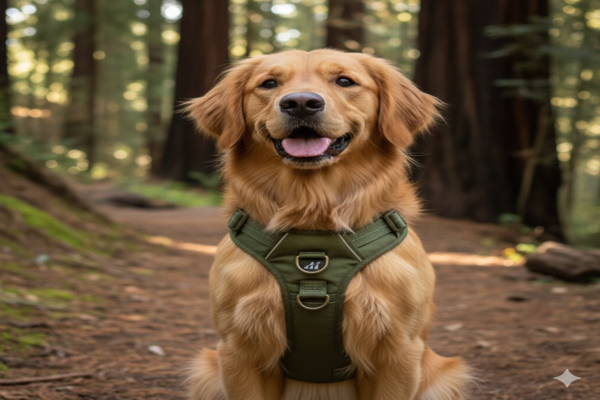
- Ergonomic Functionality: No-pull designs with a front D-ring attachment are a must-have. They offer a functional solution to a common problem (pulling) and are a top search term for engaged dog owners.
- Material and Hardware Upgrade: Swap basic nylon for soft, durable, and often recycled (GRS-certified) webbing. Use custom-branded, corrosion-resistant hardware instead of generic clasps. These physical details communicate quality.
- Aesthetic and Branding: Offer sophisticated, custom patterns instead of generic prints. Include thoughtful features like a traffic handle for control or a separate loop for ID tags.
The premium customer is willing to pay more, but they expect more in return. Your designs must deliver on that promise of superior performance, comfort, and style.
Conclusion
Fast-selling accessories depend on your market. Combine core colors with regional trends, and match product styles—like no-pull or step-in harnesses—to your target customer's budget to maximize your sales and profits.
Footnote:
Discover how seasonal colors can influence your inventory decisions. ↩
Explore how understanding regional preferences can enhance your marketing strategy. ↩
Understand the key elements that drive repeat purchases in your business. ↩
Discover how ergonomic designs can improve user experience and sales. ↩
Understand the safety benefits of reflective features in pet products. ↩