You're looking at supplier price lists, but the numbers don't tell the whole story. You fear that hidden costs are secretly eating away at the profit you think you're making.
To calculate your true profit margin, you must determine the total Landed Cost1 per unit. This includes not just the factory price but also shipping, duties, and all other fees. Only then can you find your real profit.

I've seen so many enthusiastic entrepreneurs focus only on the price my factory quotes them. They get excited about a low unit cost, but they forget about everything that happens after the products leave our doors. The most successful partners I have are the ones who master the concept of "landed cost." They know that the final cost to get a product into their warehouse is what truly matters for their bottom line. Let's break down how you can master this, too.
What fixed costs2 must be included in your margin calculations?
You're focused on the per-unit price. But one-time fees for things like custom molds seem to come out of nowhere, throwing off your entire budget.
You must account for all fixed costs, like tooling for custom hardware3, pre-production samples, and lab testing certifications. These costs should be spread across the total number of units in your order to find their true impact.
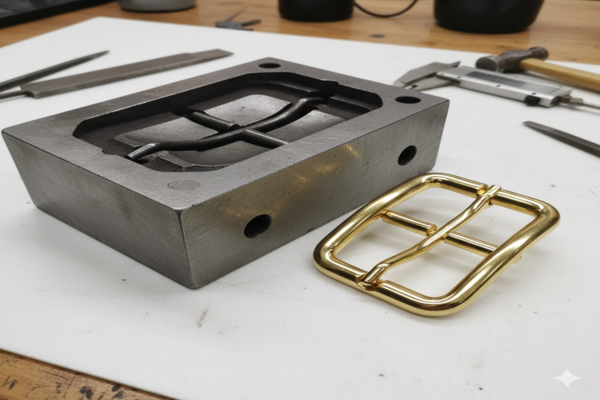
These upfront costs are often a surprise for new buyers. But they are a necessary part of creating a unique, high-quality product. A custom buckle might require a "tooling" fee to create the mold, which can be several hundred dollars. But that mold can then be used to produce tens of thousands of units. The key is not to see it as a one-time expense on a single order, but as an investment. You need to amortize it, or spread its cost, across the expected number of units you'll sell.
Breaking Down Fixed Costs
| Fixed Cost Type | What It Is | How It Impacts Your Margin |
|---|---|---|
| Tooling/Molds | The cost to create custom molds for unique hardware or plastic parts. | A one-time fee. Divide it by your order volume for a per-unit cost. |
| Pre-Production Samples | Fees for creating finished samples for your approval before bulk production. | A small but crucial cost to ensure quality and avoid mistakes. |
| Lab Testing/Certification | Fees for third-party testing to meet safety or chemical standards (e.g., REACH). | Necessary for market access. Also amortized over the order. |
A $500 tooling fee on a 1,000-unit order adds $0.50 to each unit's cost. On a 5,000-unit order, it adds only $0.10. Planning for this is essential.
How does order volume affect your unit production costs?
You want lower unit prices, but high Minimum Order Quantities (MOQs)4 from suppliers lock up your cash in slow-moving inventory. This feels like a trap.
Higher order volumes unlock tiered pricing from manufacturers, directly lowering your unit cost. More volume also reduces the per-unit impact of fixed costs like shipping. The key is to find a supplier with a flexible MOQ.
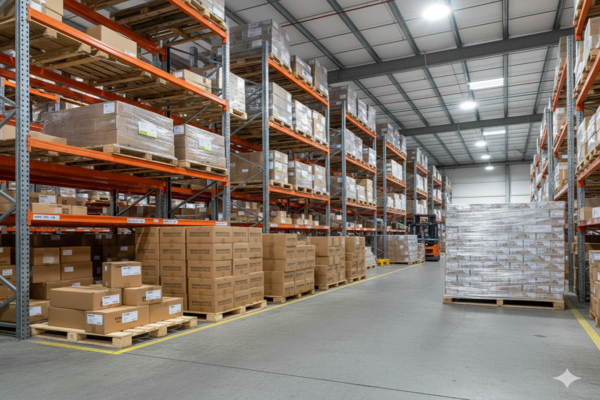
This is the classic principle of economies of scale. Making 5,000 of the same collar is much more efficient for us than making 500. This efficiency allows us to offer a better price. But as a business owner myself, I understand the pressure of cash flow. A massive inventory of a single SKU can be risky. This is why we work with our partners differently. We offer flexibility. Instead of needing 5,000 units of one red collar, we can let you combine multiple SKUs—say, 1,000 red, 1,000 blue, 1,000 green, and so on—to reach a volume tier. This way, you get a better price and a diverse product line without risking all your capital on one item. It’s about being a partner, not just a factory.
Which shipping terms most impact your final profitability?
Shipping quotes are a confusing alphabet soup of terms like FOB, EXW, and DDP. Choosing the wrong one can lead to surprise bills for freight, insurance, and taxes.
Shipping terms (Incoterms5) define who pays for what and when risk transfers from seller to buyer. DDP (Delivered Duty Paid)6 gives you a final, all-in cost to your door, making profit calculations easiest. FOB (Free On Board) is common but leaves you to handle final shipping and import duties.
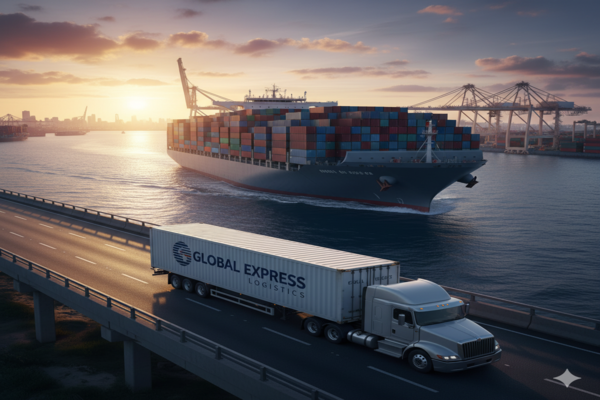
Don't let Incoterms intimidate you. They are just a standard set of rules to make sure we're all on the same page. Think of it this way:
- EXW (Ex Works): The price is for the product sitting at our factory door. You have to arrange and pay for everything else. This seems cheapest but involves the most work for you.
- FOB (Free On Board): We handle getting the goods onto the ship at the port in our country. From that point on, it's your responsibility. This is a very common and balanced option.
- DDP (Delivered Duty Paid): We handle everything—shipping, insurance, and customs in your country. The product arrives at your warehouse for one clear price. It looks more expensive upfront, but it has no surprises.
As part of our service, our logistics team can help you navigate these options. We find the best routes and costs because we do this every day. A penny saved on shipping is a penny earned in profit.
Why do payment terms influence your cash flow margins?
Paying for an entire order upfront can feel suffocating. It ties up all your working capital for months before you can even start selling the product.
Payment terms dictate when you pay for your order, directly impacting your cash flow. A typical "30% down, 70% upon completion" term allows you to start production with a smaller initial outlay, freeing up cash for marketing or other operational needs.
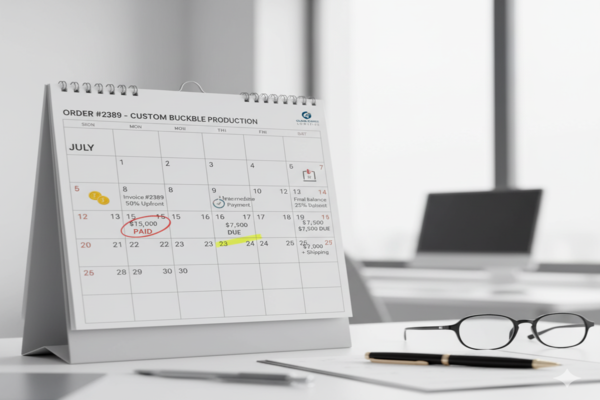
Cash flow is the lifeblood of any business. The best product in the world won't help if you don't have the cash to run your operations while it's being produced and shipped. That's why payment terms are so critical. The standard in our industry is a deposit to start production (usually 30-50%) and the balance paid before the goods are shipped. This is a system built on trust. For new partners, we stick to this standard. However, once we have built a strong, long-term relationship, we can discuss more flexible options. A healthy business relationship is a two-way street, and understanding each other's financial needs is a big part of that. Your goal should be to find a partner who wants to grow with you.
How can packaging optimizations reduce your landed costs?
You don't think much about packaging. But bulky boxes and heavy materials are secretly inflating your shipping bill, one of your biggest expenses.
Optimizing your product packaging can dramatically reduce shipping costs. Simple changes like using lighter materials or designing for a smaller box size reduce both the weight and dimensional volume of your shipment, directly lowering your landed cost per unit.
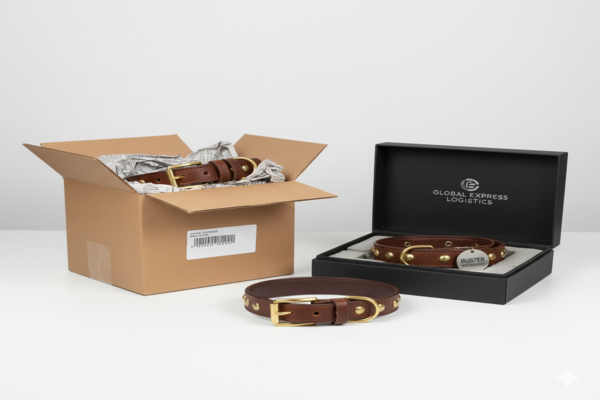
I had a partner who was using a beautiful but bulky box for their collars. When we ran the numbers, we found that the box size was causing their freight costs to be 30% higher than they needed to be. Shipping companies charge based on either the actual weight or the "dimensional weight" (the amount of space the box takes up), whichever is greater. By redesigning the packaging to be flatter and more compact, we were able to fit more units into a single master carton. This single change saved them thousands of dollars per order. This is a service we provide. We don't just make your product; we think about how to get it to you in the most cost-effective way.
Conclusion
Calculating your true profit margin goes far beyond the factory price. By mastering your total landed cost—including fixed costs, volume discounts, shipping, and even packaging—you can protect your profits, improve your cash flow, and build a more resilient and successful pet product brand.
Understanding Landed Cost is crucial for accurate profit calculations and avoiding hidden expenses. ↩
Learn about fixed costs to ensure you account for all expenses in your pricing strategy. ↩
Discover how tooling fees can affect your overall product pricing and profit margins. ↩
Explore how MOQs can impact your cash flow and overall product costs. ↩
Familiarize yourself with Incoterms to make informed shipping decisions. ↩
DDP simplifies your shipping costs by covering all expenses until delivery. ↩