A manufacturer's warranty is more than a policy; it’s a direct reflection of their confidence and a critical tool for your business. It protects your profits, builds your brand, and solidifies customer trust. Look for a partner who offers clear, fair, and hassle-free warranty support.
Customer returns from broken harnesses damage your profits and brand reputation. You absorb the loss and lose a customer's trust. A strong manufacturer warranty is your best protection.
Professional manufacturers provide warranties that cover defects in materials and workmanship. This protects your business from losses due to production flaws like weak stitching or faulty clips, ensuring you can confidently stand behind the products you sell.

This type of warranty is what we call a "brand-building" policy. For a private label partner, understanding the difference between a consumer-facing lifetime promise and a practical B2B warranty1 is crucial. At BoonPets, we work with partners to define a warranty that protects their business while still communicating quality. A lifetime warranty can create logistical challenges for retailers years later. A clear, time-bound warranty is often more effective for managing business risk.
Premium Brand vs. B2B Warranties
| Warranty Type | Best For | Key Feature | Potential Downside for a Retailer |
|---|---|---|---|
| Lifetime Warranty | Marketing to end-consumers | Builds ultimate brand trust and justifies price | Can be difficult to manage claims years later |
| Limited Warranty | B2B partnerships and private label | Clear, defined terms (e.g., 1-2 years) | Lacks the marketing "wow" factor of "lifetime" |
| Tiered Warranty | A product line with multiple price points | Matches warranty length to product quality | Can be complex to communicate to customers |
Choosing the right structure depends on your brand strategy. A one-year comprehensive warranty is often the most practical and transparent for both you and your customers.
What are the standard warranty terms for pet harnesses?
You receive a large shipment of harnesses. If a defect is found six months later, are you covered? Confusion over warranty terms can lead to denied claims.
The industry standard for B2B harness warranties is 12 months. This period begins on the date you, the buyer, receive the products, not the date your customer makes a purchase. This protects you against manufacturing flaws that appear during the product's first year.
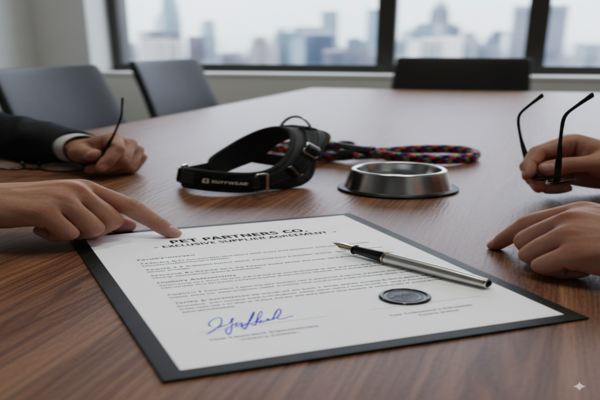
As a manufacturer, clarity is our priority. That's why at BoonPets, our warranty is simple: you are covered for one full year from the day our products land in your warehouse. If you receive a customer complaint about quality within that year, you just need to send us a photo of the defect. We will issue a refund or credit for that unit, no questions asked. This process removes risk from your side and allows you to offer your customers a guarantee with confidence. It’s a policy designed for a true partner, not just a customer.
How do warranty policies differ by material and construction?
You stock both entry-level nylon harnesses and premium models with special hardware. Should they be covered by the same warranty? You know some materials are tougher than others.
Yes, warranties often scale with product quality. A basic polyester harness might have a 6-month warranty, while a harness made with reinforced webbing, sustainable fabrics, and premium hardware could have a 2-year warranty reflecting the manufacturer's confidence.
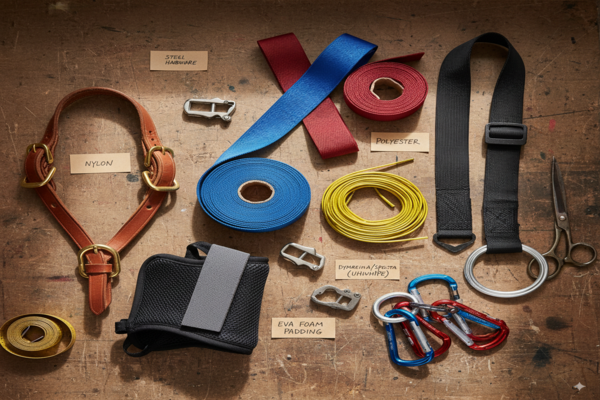
The warranty length helps justify the price difference between good, better, and best. When we develop a product using high-performance materials like rPET webbing or custom-forged aluminum D-rings, we stand behind that quality with a stronger guarantee. This gives you, the retailer, a tangible selling point. You can tell your customers, "This harness costs more because it's built to last, and it's backed by a warranty that proves it." It turns a price objection into a conversation about value and long-term safety for their pet.
| Product Tier | Key Features | Typical Warranty Period | Why It Matters for Your Margin |
|---|---|---|---|
| Good | Standard polypropylene webbing, plastic buckles | 6-12 Months | Covers basic defects, meets price expectations. |
| Better | Recycled PET webbing, padded lining | 1-2 Years | Justifies a higher price with better materials. |
| Best | Ripstop nylon, forged metal hardware | 2 years - Lifetime | Commands a premium price and builds brand loyalty. |
Which defects are typically covered under manufacturer warranties?
A customer returns a harness that their dog chewed through. Is the manufacturer responsible? Knowing what is and isn't covered protects you from angry customers and financial loss.
Warranties cover defects in materials and workmanship. This includes things like faulty stitching that unravels, a buckle that breaks under normal use, or a D-ring that detaches. They do not cover damage caused by the pet, like chewing, or normal wear and tear from use.
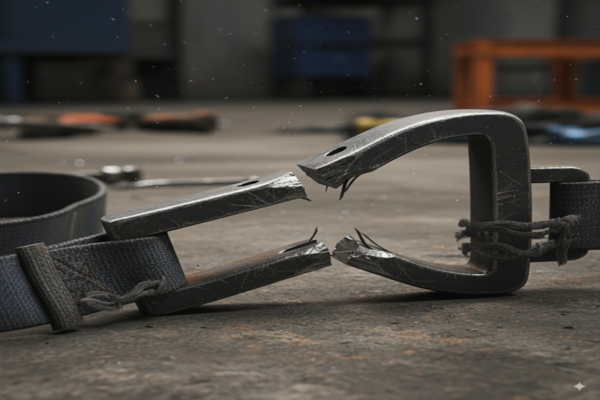
It’s helpful to understand the two main categories of covered defects.
Material vs. Workmanship Defects
- Material Defect: This means a component itself was flawed. For example, the webbing was weak and tore under normal pulling force, or a plastic buckle had a hidden crack from the molding process and snapped. The raw material wasn't up to standard.
- Workmanship Defect: This refers to a flaw in the assembly process. The materials were fine, but the person or machine that put them together made a mistake. The most common example is poor stitching that isn't properly back-tacked and comes undone easily.
Our policy is clear: if the product failed because we made it incorrectly or used a bad component, we cover it. If it failed because a dog used it as a chew toy or it got snagged on a fence, that falls outside the warranty. This distinction is crucial for managing customer expectations.
Why do B2B buyers need extended warranty options?
A one-year warranty is good, but what if you're launching a premium private-label brand? You need to offer more to compete with established names.
Extended warranties give you a powerful marketing tool2 to build brand credibility and justify a premium price. Offering a two or three-year warranty shows you have ultimate faith in your product quality, which translates directly into consumer trust.

When a partner comes to us to develop a high-end product line, we often discuss extended warranties. It becomes part of the product development process. We might recommend upgrading the webbing or using a specific type of hardware that we know can withstand years of use. This might increase the unit cost slightly, but it enables our partner to build a brand that customers see as an investment, not a disposable purchase. An extended warranty isn't just a policy; it's a statement about your brand's commitment to quality. It tells the customer you're not just here for a quick sale—you're here to be a trusted name in their pet's life.
How do warranty claims impact supplier relationships?
You submit a claim for a defective product, and your supplier pushes back. This friction erodes trust and makes you question the partnership.
How a manufacturer handles warranty claims is the ultimate test of the partnership. A good supplier sees a claim as an opportunity to prove their reliability and gather feedback. A difficult claims process is a major red flag.
I've built BoonPets on the principle of partnership. When a partner sends us a photo of a defective harness, my first thought isn't "How can we deny this?" It's "How did this happen, and how can we prevent it from happening again?" We issue the credit immediately, but then our quality control team analyzes the issue. Was it a bad batch of thread? A new employee who needed more training? Every claim makes our process better. A supplier who argues over legitimate claims doesn't see you as a partner; they see you as a transaction. A true partner shares the responsibility of putting a great product into the customer's hands.
Conclusion
A manufacturer's warranty is more than a policy; it’s a direct reflection of their confidence and a critical tool for your business. It protects your profits, builds your brand, and solidifies customer trust. Look for a partner who offers clear, fair, and hassle-free warranty support.
Footnote: