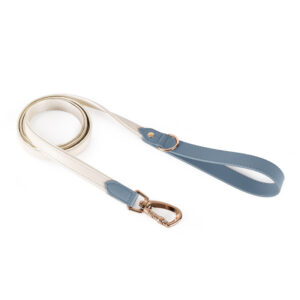
Retailers stuck selling distributor-branded leashes face shrinking profits. You're paying extra for brands that simply relabel a manufacturer's products. This guide explains how to break free.
You can increase margins by 40% or more by sourcing private label products1 directly from a manufacturer. This approach cuts out importers who add 25%+ markups, giving you full control over pricing, branding, and product design.
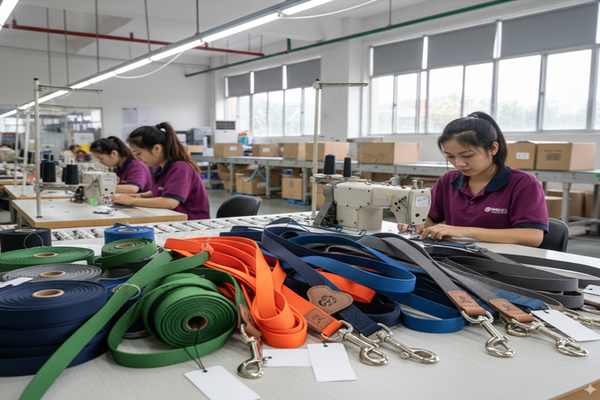
Selling someone else's brand makes their business stronger, not yours. You’re building their customer loyalty while your own brand remains invisible. Switching to private label is how you take back control and build a long-term asset. Let's explore how it's done.
How can private label compete with established brands?
You see big brands with huge marketing budgets and feel you cannot compete. Their shelf space seems impenetrable. But their size is also their weakness.
Private labels win by targeting specific customer niches with unique designs and superior value. Unlike giant brands aiming for mass appeal, you can focus on what specific groups of pet owners truly want and build a loyal following around it.
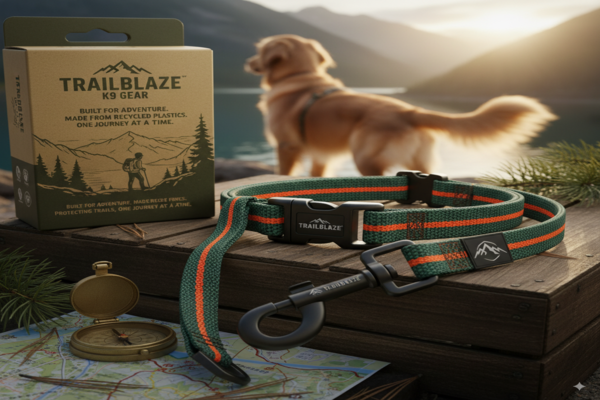
When I started BoonPets, we did not try to be everything to everyone. We focused on one thing: creating better walking gear for partners who felt ignored by mass-market suppliers. This strategy works because big brands are slow to adapt. A private label brand is agile.
Focus on Niche Markets
Big brands must create generic products that appeal to the largest possible audience. This leaves many specific customer needs unmet. You can create a brand specifically for owners of giant breeds, or for city dwellers who demand minimalist designs, or for eco-conscious buyers who want vegan-only products.
Control Quality and Features
You decide the quality. You can specify zinc-alloy clips instead of standard iron, use double-stitched webbing for extra safety, or choose trend-forward colors that established brands won't have for another year. This tangible quality difference is a powerful selling point.
| Competitive Edge | Established Brand | Private Label Brand |
|---|---|---|
| Target Audience | Broad, mass-market | Specific niches (e.g., vegan, giant breeds) |
| Product Design | Generic, safe designs | Unique, tailored, and trend-focused |
| Agility | Slow to react to market trends2 | Quick to launch new designs and features |
| Brand Story | Corporate and distant | Authentic and personal |
What cost advantages does direct manufacturing offer?
Distributor prices keep rising and you feel powerless. Your margins get squeezed with every new price list. Working directly with a manufacturer solves this.
Direct manufacturing eliminates the importer's 25-30% margin. You pay the factory cost, which means a leash that a distributor sells to you for $5 might cost you only $3.50 to make yourself. That’s an immediate profit increase3.
I remember talking to a partner in Germany. He was buying from a major European brand and his margins were down to 15%. Once we showed him the cost breakdown for his own private label line, he saw he could hit 50% margins on the same quality of products. It completely changed his business.
Eliminating the Middleman Markup
When you buy from a distributor or importer, you are paying for their profit, their marketing, their warehousing, and their sales team. The price you pay is layered with costs that have nothing to do with the product's quality.
Here's a simplified breakdown of the cost structure:
| Cost Component | Buying from Distributor | Buying Direct (Private Label) |
|---|---|---|
| Manufacturer Cost | $3.00 | $3.00 |
| Importer Markup | +$1.50 (50%) | $0 |
| Your Landed Cost | $4.50 | $3.50 (approx. shipping) |
| Your Retail Price | $9.00 | $9.00 |
| Your Profit | $4.50 (100% Margin) | $5.50 (157% Margin) |
Note: This is a simplified example. Landed Cost includes manufacturing, shipping, and duties.
Direct sourcing gives you an immediate cost advantage and full transparency into what you're paying for.
Which high-margin upgrades attract pet owners?
Basic nylon leashes deliver basic profits. Customers see them as commodities and will choose the cheapest option. You need features that justify a higher price tag.
Features like neoprene-padded handles, reflective stitching, and high-spec metal hardware instantly signal premium quality. These upgrades cost little to add during production but can increase your retail price by 30-50%.
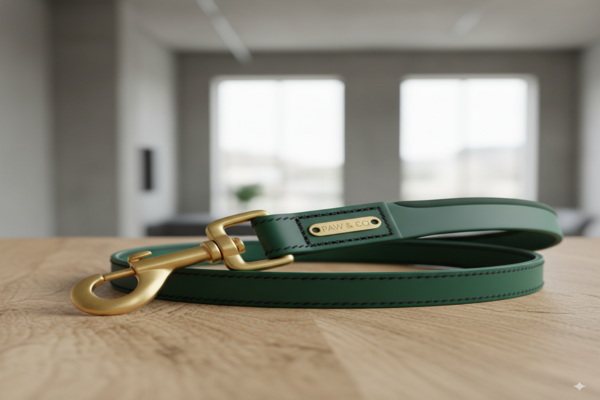
We found that adding a soft neoprene lining to a handle costs us less than $0.20 per unit. But retailers who order this feature often sell that leash for $5 more than a standard nylon one. Customers are happy to pay more for comfort, and it becomes a key reason they choose that product.
Upgrades with High Perceived Value
Certain features feel more expensive than they are. This is where you can build in margin. Focus on things customers can see and feel.
- Comfort-Focused Features: A padded handle makes a huge difference on long walks. It’s an easy upsell.
- Safety-Enhancing Add-Ons: Reflective thread woven into the leash webbing is a must-have for anyone who walks their dog in the early morning or at night.
- Premium Hardware: Using custom-finished or uniquely shaped carabiners instead of standard bolt snaps makes a leash look more like high-end outdoor gear.
| Feature Upgrade | Added Cost per Unit | Potential Retail Price Increase |
|---|---|---|
| Neoprene Padded Handle | $0.15 - $0.25 | +$5.00 |
| Reflective Stitching | $0.10 - $0.20 | +$3.00 |
| Custom Zinc Alloy Clip | $0.30 - $0.50 | +$4.00 |
These small investments transform a generic leash into a premium product that stands out and commands a better price.
Why does custom branding improve shelf performance?
Generic packaging makes your product look cheap and forgettable. It blends in with dozens of other leashes on the rack, forcing you to compete on price alone.
Custom branding tells a story and builds trust before the customer even touches the product. A well-designed tag or sleeve communicates quality, shares your mission, and makes your product instantly recognizable for repeat purchases.
One of our most successful partners is a small chain in the US. For years, they sold leashes with generic hangtags. We helped them design custom recycled-paper sleeves with their logo and a short story about their commitment to rescue dogs. Sales of that leash line increased by 200% in six months. It was the same leash, but now it had an identity.
Building Brand Recognition
Your logo and packaging are the face of your brand. Consistent branding across your product line makes it easy for customers to find you again.
- First Impression: Professional packaging suggests a professional, high-quality product inside. A simple polybag does the opposite.
- Communicating Value: Use your packaging to call out key features. Is it made from recycled materials? Does it have a safety-tested clip? Tell the customer right on the tag.
- Encouraging Repeat Business: When a customer loves your leash, your brand name is the first thing they will look for when they need a new collar or harness. Without your brand, that repeat sale is lost.
Your brand is your most valuable asset. It turns a one-time transaction into a long-term customer relationship.
How do you negotiate better terms with manufacturers?
Many retailers assume a manufacturer's price list and MOQs are final. They are afraid to ask for better terms and end up leaving money on the table.
You can negotiate better terms by being a good partner. Consolidate your orders, communicate clearly about your annual volume, and ask for discounts based on commitment. A manufacturer wants reliable, long-term business, not just one-off orders.

I always tell my procurement managers to give better terms to partners who are transparent with us. If a buyer tells me, "I plan to order 5,000 leashes this year across four orders," I can offer them a better price than someone who just asks for a quote on 1,000 units. We reward partnership.
Strategies for Better Terms
A good negotiation is a win-win. You want a lower price, and the manufacturer wants efficient, predictable production.
- Provide Volume Forecasts: Give the manufacturer an estimate of your total annual purchasing. This helps them with their own material planning and allows them to offer you a volume-based discount.
- Consolidate Shipments: Instead of placing four small orders per year, place two larger ones. This reduces the administrative and shipping overhead for both you and the manufacturer.
- Ask for Tiered Pricing: Ask for a price grid. For example: what is the price for 1,000 units, 2,500 units, and 5,000 units? This shows you the direct benefit of ordering more.
- Build a Relationship: Treat your manufacturer like a partner. Pay your invoices on time. Provide clear and timely feedback. A manufacturer is far more likely to be flexible with a partner they trust.
Conclusion
Stop building other companies' brands. Sourcing private label leashes directly from a manufacturer like BoonPets gives you higher margins, brand control, and a competitive edge. It's the most effective strategy for long-term growth and profitability in the pet accessories market.
Footnote: