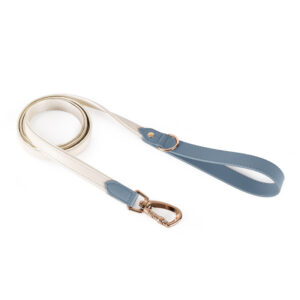
You're searching for high-margin pet products, but choosing between classic Nylon1 and premium BioThane2 is confusing. This decision directly impacts your profitability, inventory, and overall brand positioning in a competitive market.
BioThane generally offers a higher retail markup3 per unit, thanks to its premium, durable, and waterproof qualities that appeal to a niche audience. While Nylon has a lower per-unit margin, its massive market volume often results in greater overall profitability for most retailers.
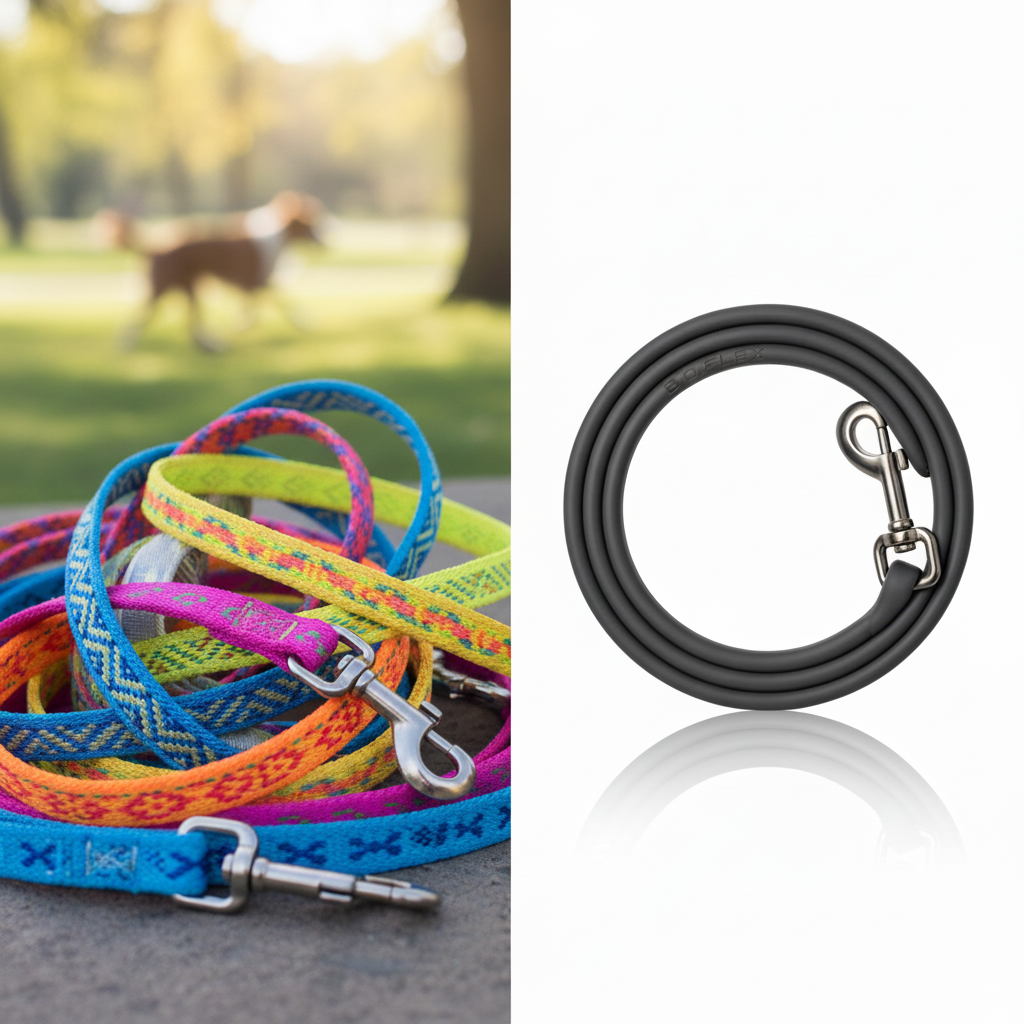
As a manufacturer who works with both materials every single day, I can tell you this isn't a simple choice. On paper, it looks like you have to pick between a high-margin specialty item and a low-margin volume seller. But the real answer is more nuanced. The best material for your business depends entirely on who you are selling to, the story your brand tells, and your long-term goals. Let's dig into the specifics to determine which material will truly boost your profitability.
How Do Consumer Preferences Influence Material Markup Potential?
You need to price your leashes for maximum profit, but your customers are diverse. Pricing a value product like it's a premium one (or vice versa) can kill your sales and hurt your brand.
Mainstream consumers prioritize affordability and color options, making Nylon a volume-driven product with a modest markup. In contrast, performance-focused customers4 happily pay a premium for BioThane's waterproof durability and easy-to-clean features, supporting a significantly higher retail markup.
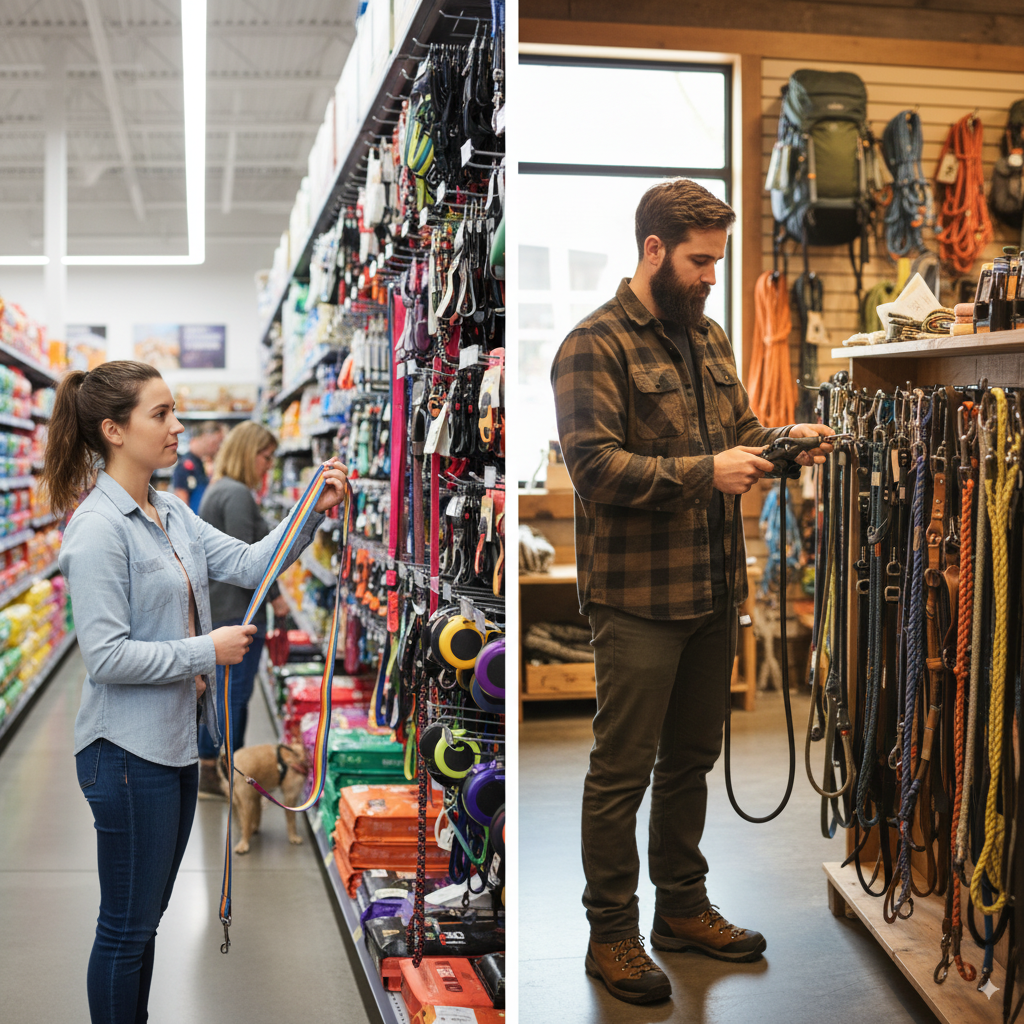
The key to unlocking markup potential is understanding what your specific customer values. You aren't just selling a leash; you're selling a solution to a problem. The Nylon buyer and the BioThane buyer have very different problems. The Nylon buyer is the everyday pet owner. They need a reliable, affordable product for daily walks around the neighborhood. They are price-sensitive and value having a wide variety of colors and patterns to choose from. This is a mass-market, volume game.
The BioThane buyer is the performance-seeker or modern pet parent. They hike, swim, and train their dogs in all conditions. They are trying to solve the problem of stinky, wet, frayed leashes. They see their pet gear as a long-term investment, and they will pay more for a product that solves their specific pain points.
| Feature | The Nylon Buyer | The BioThane Buyer |
|---|---|---|
| Primary Need | Affordability & Style | Durability & Functionality |
| Key Feature | Wide color/pattern selection | Waterproof, easy to clean, no odor |
| Price Sensitivity | High | Low to Medium |
| Shopping Venue | Mass-market retailers, Amazon | Specialty pet boutiques, DTC brands |
Which Material Is Truly Stronger and More Durable?
Your customers trust you to sell safe, strong leashes. A single product failure can be catastrophic for a pet's safety and for your brand's reputation. Choosing the right material is absolutely critical.
Both high-quality Nylon and BioThane have tensile strengths far exceeding what's needed to safely walk any dog. However, BioThane offers superior long-term durability. It resists abrasion, water, and UV rays, preventing the stretching, fraying, and odor absorption that eventually degrade Nylon leashes.
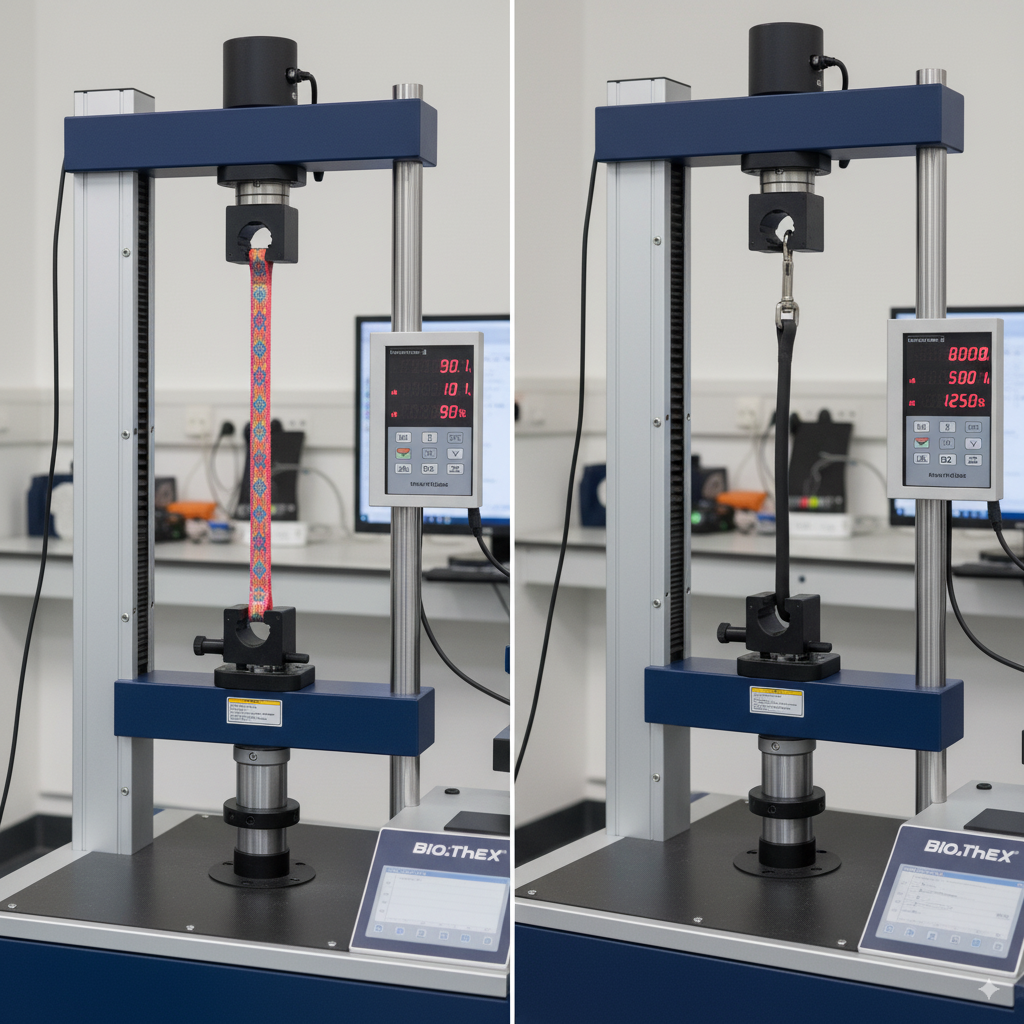
When we talk about strength, it’s important to separate two concepts: tensile strength and real-world durability. Tensile strength is a lab measurement of how much pulling force a material can take before it breaks. A standard 1-inch nylon webbing has a tensile strength of thousands of pounds. So does BioThane. Frankly, for the purpose of walking a dog, both are overkill. From my manufacturing experience, the weak point of a leash is almost always the stitching or the hardware, never the material itself.
Real-world durability is where you see the biggest difference. Nylon is a textile. It absorbs water, which can cause it to stretch and grow mildew. This leads to that classic "stinky leash" smell. Over time, friction causes it to fray at the edges, and UV light can degrade the fibers. BioThane is a PVC-coated webbing. It is completely waterproof, so it never gets smelly or stretched. It is highly resistant to abrasion and wipes clean no matter how much mud you throw at it. For true all-weather, heavy-use scenarios, BioThane's durability is unmatched.
What Are the Downsides of Each Material for Retailers?
You are building your pet accessories lineup for your store. Choosing the wrong material can lead to slow-moving inventory and missed sales opportunities. Aligning your product mix with your store's brand is crucial.
The primary downside of Nylon is its low per-unit margin and intense competition. For BioThane, the cons are its higher wholesale cost and a smaller, more niche customer base, which can lead to slower sales volume if your store doesn't attract the right kind of buyer.
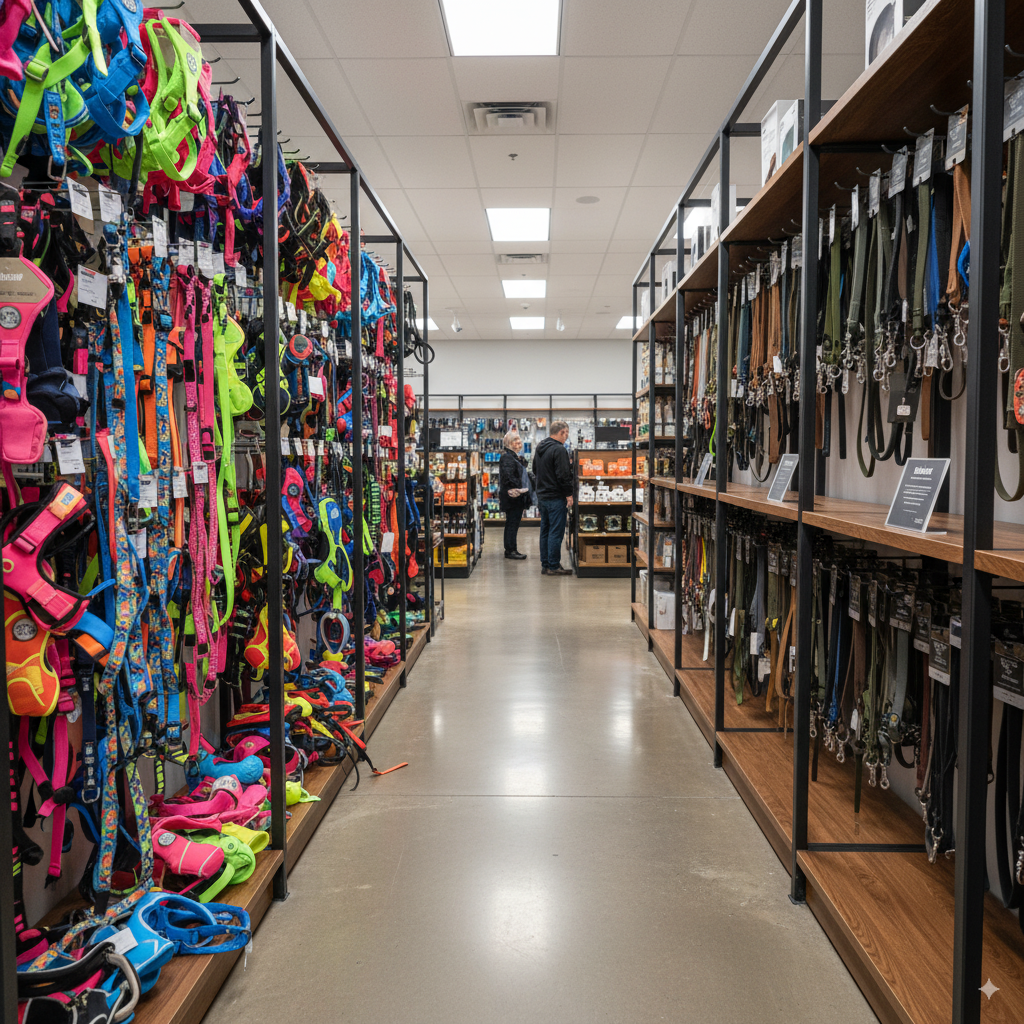
No material is perfect for every retailer. At BoonPets, we help our partners choose a product mix that matches their business model. For example, large chain stores that compete on price need to carry a wide range of Nylon products. It’s the bread and butter of the leash and collar market. The low margins are balanced by the massive sales volume. Their biggest challenge is standing out in a sea of similar-looking products.
Specialty boutiques and online brands often find more success with BioThane. They can build a story around its performance features and target a very specific customer. Their challenge is different: the higher sourcing cost means more cash is tied up in inventory. If they don't have the right marketing to reach the performance-seeking customer, these premium products can sit on the shelf. The best strategy often involves a mix, using Nylon for entry-level options and BioThane to offer a clear, premium upgrade.
Conclusion
BioThane delivers a higher markup per sale, but Nylon drives more sales overall. The most profitable material for you depends on your target customer. For mass-market appeal and high volume, choose Nylon. For a premium, performance-focused niche with high margins, choose BioThane.
Footnote:
Learn why Nylon is favored for its affordability and variety, making it a staple in the pet accessory market. ↩
Explore the advantages of BioThane, including its durability and waterproof features, which can enhance your product offerings. ↩
Understanding retail markup is crucial for pricing strategies that maximize your profits. ↩
Discover the specific needs and preferences of performance-focused customers to tailor your offerings. ↩