You urgently need to restock dog harnesses, but your supplier’s lead time1 is a complete mystery. The fear of a stockout during a peak sales period keeps you on edge.
Typically, the lead time for a bulk dog harness order is 35 to 50 days from order confirmation. This includes time for sourcing raw materials, production scheduling2, manufacturing the harnesses, and final packaging. This timeline is the industry standard for a well-planned order.
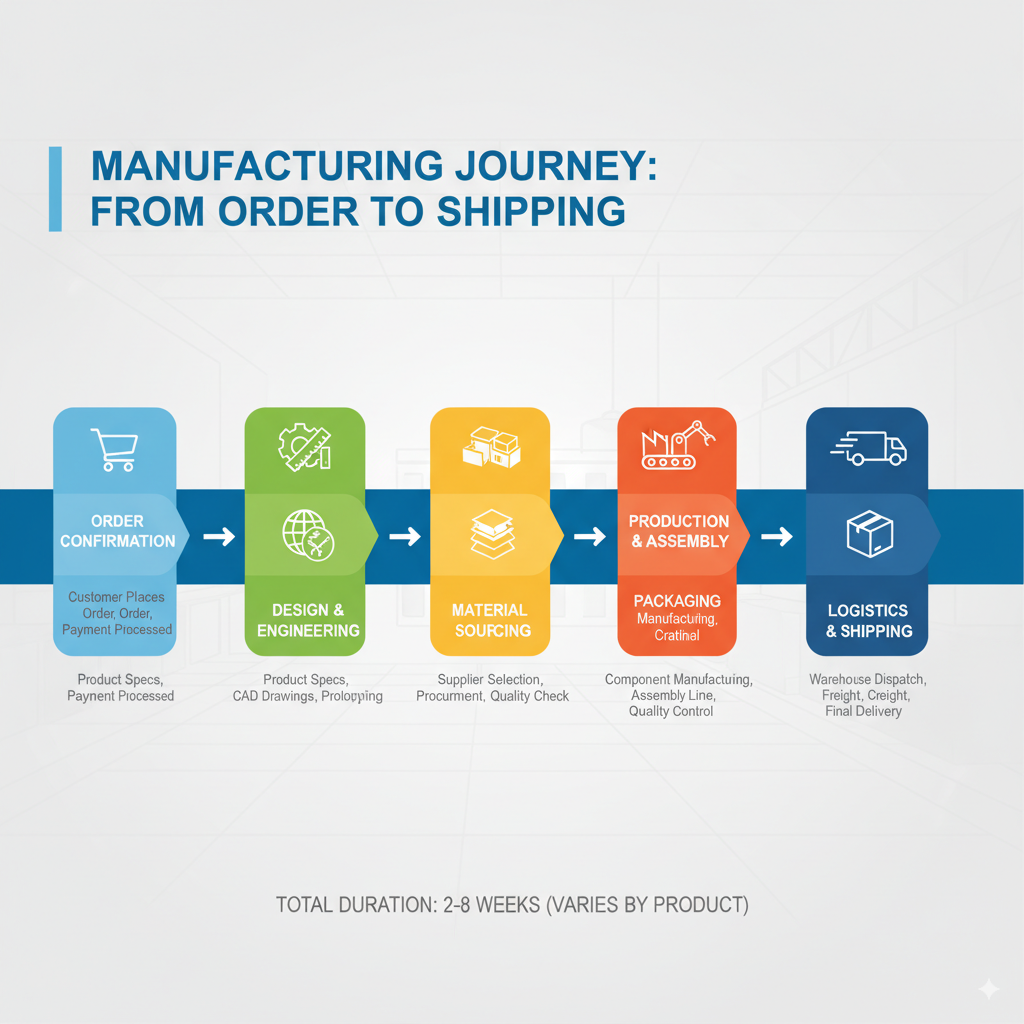
In my 11 years as a manufacturer, I've seen how easily a delivery date can slip. The most common reason is a simple lack of understanding about what actually happens after an order is placed. It’s not like clicking "buy" on Amazon. Manufacturing is a complex dance with many moving parts. A small delay at the beginning can have a big impact on the final delivery date. Let's pull back the curtain on the entire process so you can plan effectively and avoid costly delays with your next order.
What Are the Core Factors That Affect Production Lead Time?
You receive a 45-day lead time quote and feel it's too long. You're tempted to push for a faster timeline, but you don't know which parts of the process can be sped up.
The total lead time is a sum of several distinct stages: sourcing raw materials, preparing packaging, scheduling production, and the actual manufacturing and packing. Each stage has its own timeline that a factory must manage to complete your order.
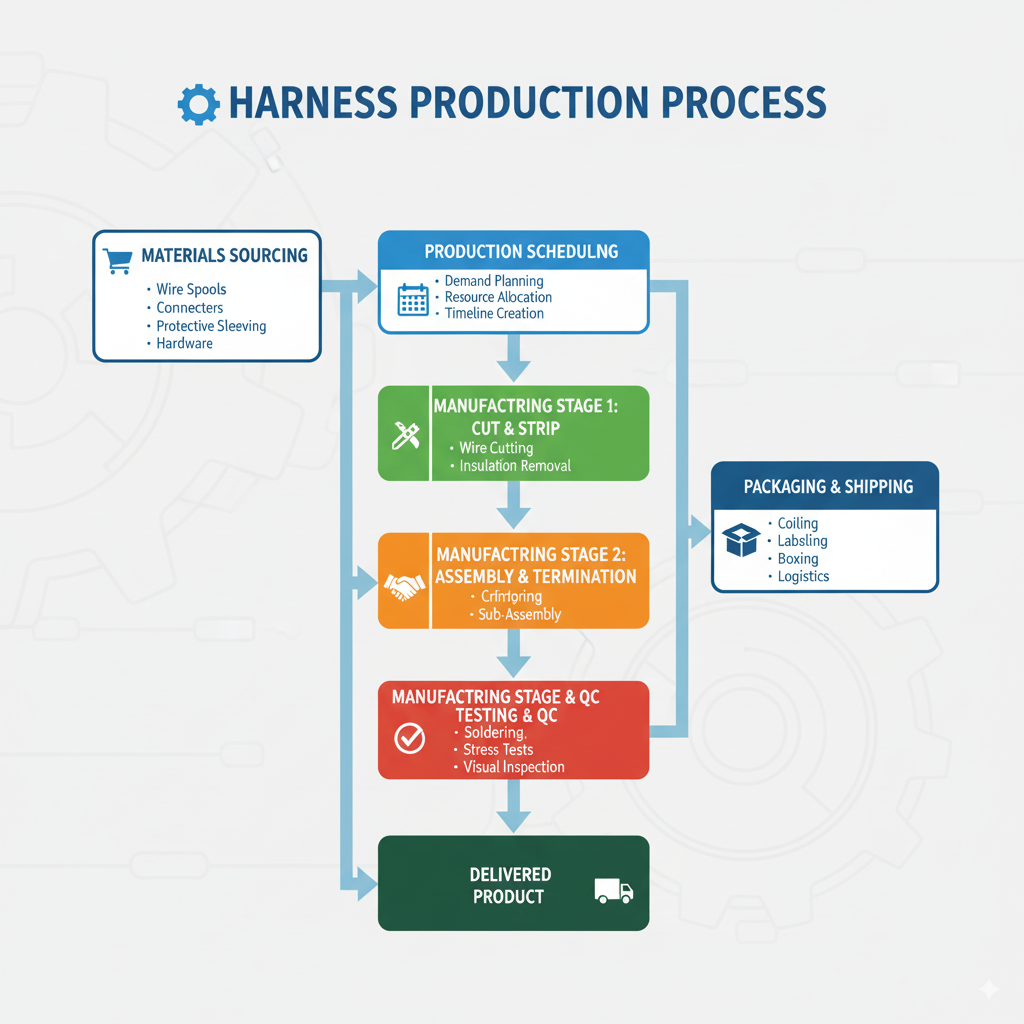
When a client places an order with us at BoonPets, the clock starts ticking on a multi-stage process. As a manufacturer, I wish I could just flip a switch and have finished harnesses appear. But the reality is a carefully coordinated sequence of events. Understanding this sequence is the key to understanding your lead time. It’s not just one big block of "production time"; it's a series of smaller, dependent steps. Here is a breakdown of a typical order flow:
| Production Stage | Typical Duration | What Happens During This Stage |
|---|---|---|
| Material Sourcing | ~15 Days | We order webbing, buckles, D-rings, etc. If it's a custom color, it needs to be dyed. |
| Production Run | ~15-25 Days | This includes fabric cutting, stitching, and assembling the harnesses. The duration depends on the order quantity and complexity. |
| Packaging & QC | ~5-7 Days | Each harness is inspected, attached to its retail backing card or put in a box, and packed into master cartons. |
| Total Estimated Time | 35-50 Days | The total time from the moment you confirm your order and samples to the day it's ready to ship. |
This timeline represents a smooth process. If there are any hiccups, like a raw material arriving late, it can affect the entire schedule.
What Are the Common Mistakes That Increase Your Lead Time?
Your order is delayed, and the supplier vaguely blames "production issues." This is frustrating, and you suspect the real problem started much earlier in the process, possibly on your end.
The most common reasons for delays are caused by the buyer, not the factory. These include slow approval of the pre-production sample (PPS), making last-minute design changes, and being late with final packaging artwork. These actions halt the entire production process.

I can't tell you how many times a well-planned production schedule has been thrown into chaos because of a simple delay in communication. From a manufacturer's perspective, we cannot start bulk production until every single detail is 100% approved. We are investing thousands of dollars in materials and labor, and we can't risk producing an order that the client might reject. So, if we are waiting for an email from you, your order is literally sitting on a shelf, and another client's order is taking its place on the production line. This creates a ripple effect that is very difficult to recover from.
Here are the top three "client-side" delays I see:
- Slow Sample Approval: The pre-production sample is your final chance to check everything. But if you take two weeks to approve it, that's two weeks added directly to your lead time. The factory cannot order bulk materials until it's approved.
- Last-Minute Changes: Deciding you want a different color stitching after approving the PPS is a huge problem. It might mean we have to re-order thread, which adds weeks to the timeline.
- Delayed Packaging Artwork: The harnesses might be fully produced, but they can't be shipped if we don't have the backing cards or boxes. If your design team is late delivering the final artwork files, your finished goods will sit in our warehouse, waiting.
How Can You Reduce Lead Time Variability?
Every time you place an order, you get a different lead time. This unpredictability makes it impossible to manage your inventory and leaves you constantly guessing when your shipment will arrive.
To reduce lead time variability, you need to become a predictable customer. Use standardized product designs, forecast your orders in advance, and establish a clear communication rhythm with your supplier. Consistency on your end leads to consistency from the factory.

As a manufacturer, my most reliable clients are the ones whose business I can predict. When I know that a certain partner places an order for 2,000 units of the same three harness styles every quarter, I can plan for it. I can pre-order some of their core materials before they even send the official purchase order. This shaves time off their lead time and guarantees them a spot in my production schedule. This level of partnership turns a variable lead time into a fixed, reliable number you can build your business around. It moves the relationship from a simple transaction to a strategic advantage.
| Actions of a Predictable Partner | Actions of an Unpredictable Buyer |
|---|---|
| Provides an annual or quarterly forecast. | Places urgent, surprise orders. |
| Re-orders the same core products consistently. | Changes designs or colors with every order. |
| Approves samples and artwork within 48 hours. | Takes weeks to provide feedback or approvals. |
| Builds a partnership with the account manager. | Communicates only when there is a problem. |
By being predictable, you make it easy for your supplier to prioritize your business and deliver on time, every time.
How Can You Expedite Production Without Compromising Quality?
You have a stock emergency and need an order delivered in 25 days instead of the usual 45. You're willing to pay more, but you're terrified that rushing production will result in a container full of defective harnesses.
To expedite an order safely, you must work in partnership with your manufacturer. This involves choosing in-stock materials, simplifying your packaging, and paying an "expedite fee3" to cover overtime costs. Trying to rush production without a clear plan is a recipe for disaster.
When a partner comes to me with a rush order, my first question is, "How can we make this possible together?" A rush job always introduces risk, but it can be managed. The worst thing a buyer can do is demand a faster timeline without being flexible. The best thing they can do is ask, "What changes can we make to my order to help you produce it faster?" This collaborative approach allows us to find solutions that don't involve cutting corners on quality control.
Here are some strategies for safe and effective expediting:
- Use In-Stock Materials: Asking for a custom-dyed webbing color is the slowest part of the process. If you can use one of your supplier's standard, in-stock colors, you can cut 1-2 weeks off the lead time instantly.
- Simplify Your Product: Can you remove a small, non-essential feature for this single order? A rubber logo patch that requires a custom mold, for example? Simplifying the assembly process saves time.
- Pay for Air Freight: Ocean shipping can take 30+ days. Shipping by air can take less than a week. It is much more expensive, but it's the fastest way to make up for lost time.
- Offer to Pay an Expedite Fee: A reasonable fee can allow the factory to run an overnight or weekend shift dedicated to your order. This compensates the workers fairly and gets your product made faster without disrupting the main production schedule.
Conclusion
Understanding and managing lead times is a critical skill for any retailer. The standard 35-50 day timeline is not a barrier; it's a process you can influence. By providing clear information, approving samples quickly, and building a strong partnership, you can create a reliable and predictable supply chain.
Footnote: