You feel stuck in endless price negotiations that go nowhere. You worry you're leaving money on the table, but pushing too hard might damage a crucial supplier relationship.
The key isn't to fight for every last cent. To get better prices, present yourself as a long-term partner, not a one-time buyer. Share your business plan, be flexible on specifications, and understand the supplier's costs. This approach builds trust and unlocks better terms.

After more than 11 years in manufacturing, I can tell you that the partners who get my best prices aren't the ones who argue the most. They are the ones who help me see a future with them. When a buyer shows me a clear plan and treats our business relationship as a partnership, I'm not just willing to negotiate; I'm eager to find ways to make it work for both of us. A negotiation shouldn't be a battle; it should be the start of a collaboration. Let me show you how to change the conversation and get the results you want.
How Does a Clear Business Plan Help You Negotiate?
You approach suppliers with vague ideas and small test orders. In return, you get high quotes and slow responses, leaving you wondering why they don't take you seriously.
A clear business plan with sales forecasts shows a supplier you are a serious, low-risk partner with long-term potential. This gives them the confidence to invest in you with better pricing and support from the very first conversation.
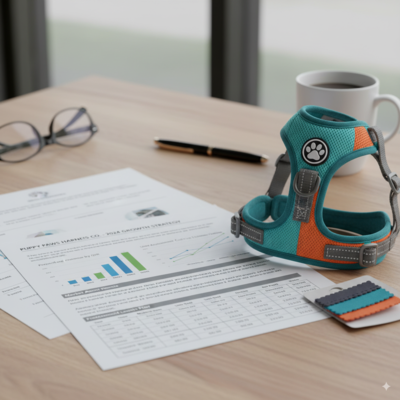
From my perspective as a manufacturer, a new customer is a risk. Will they reorder? Will they be difficult to work with? Will they pay on time? A buyer who comes to me with a well-thought-out plan immediately answers these questions. They stand out from the dozens of inquiries I get from people who just ask "what's your best price?" When you show me you know your market and have a strategy for growth, I see a future. I'm no longer quoting for a single order; I'm pricing for a long-term relationship. This is where my best prices are.
| A Buyer With No Plan | A Buyer With a Clear Plan |
|---|---|
| "I want to test 100 harnesses." | "My plan is to launch with 300 units and ramp up to 1,000 per quarter." |
| "What's your cheapest harness?" | "My target retail price is $30. What are my options to hit a 60% margin?" |
| Gives vague feedback. | Shares their target customer profile and marketing strategy. |
| Is perceived as high-risk. | Is perceived as a strategic partner. |
What Are the Benefits of Long-Term Partnerships?
You jump between suppliers, always chasing the lowest price per unit. The constant search is exhausting, product quality is inconsistent, and you are always putting out fires.
A long-term partnership offers much more than a good price. You get priority production slots1, better payment terms2, first access to new products, and a supplier who proactively helps solve your problems. This stability is worth more than a few cents shaved off the cost.

The most successful brands I work with at BoonPets have been my partners for years. I know their business, and they know mine. When they have a sudden rush order, I do everything I can to fit them into the production schedule. When I develop a new type of reflective material, they are the first people I call. This is a level of service you can never get when you are constantly sourcing for the cheapest quote. This collaborative relationship moves beyond simple transactions and creates real, sustainable value for your business that far outweighs any small, short-term savings you might get from a competitor. A good partner doesn't just sell you products; they help you grow.
| Transactional Relationship | Strategic Partnership |
|---|---|
| Focus is on lowest price. | Focus is on best overall value. |
| Communication is minimal. | Communication is open and frequent. |
| You are just another customer. | You get priority treatment. |
| Supplier is reactive to problems. | Partner is proactive in finding solutions. |
How Does Seasonality Affect Prices?
You place a rush order before the holiday season and get hit with a surprise price increase. You feel powerless and taken advantage of because of the urgent timing.
Manufacturing has peak and off-peak seasons. Prices naturally rise during the pre-holiday rush (roughly August to October) due to high demand for materials and labor. You can secure better prices by planning ahead and placing your key orders during the factory's quieter months.
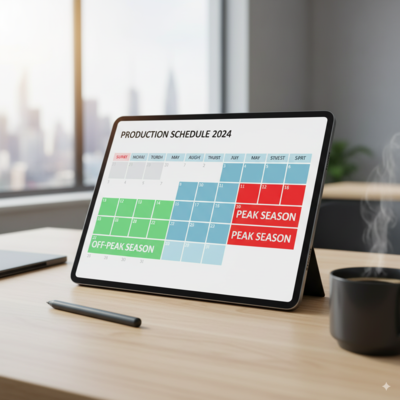
This is a simple but powerful negotiating tool that most buyers overlook. Every factory has a rhythm. Our busiest time of year is Q3, when everyone is rushing to stock up for the holiday shopping season. During this period, our capacity is full, raw material costs can go up, and there is very little room to negotiate pricing. However, the period right after Chinese New Year (typically February-March) is often much quieter. A buyer who comes to me during this off-peak time with a well-planned order is in a very strong negotiating position. I have available capacity and am eager to keep my skilled workers busy. By understanding this cycle, you can time your major purchases to your advantage.
| Season | Factory Status | Your Negotiation Power |
|---|---|---|
| Q1 (Jan-Mar) | Slow post-holidays, Chinese New Year shutdown. | High. Place orders for summer stock now. |
| Q2 (Apr-Jun) | Steady production, ramping up. | Medium. Good time to finalize Q4 orders. |
| Q3 (Jul-Sep) | Peak season, rush for holiday orders. | Low. Prices are firm, lead time3s are long. |
| Q4 (Oct-Dec) | Finishing holiday orders, planning for next year. | Medium. Good time to discuss next year's plan. |
What Is the Most Effective Pricing Strategy for Negotiation?
You ask for a lower price but have no reason other than, "I need it to be cheaper." The negotiation quickly stalls because there is nowhere for the conversation to go.
The most effective strategy is to negotiate on value, not just price. Come to the table with options. Ask questions like, "If I increase my order volume by 20%, what discount can you offer?" or, "What would the price be if we used your stock webbing instead of this custom color?"
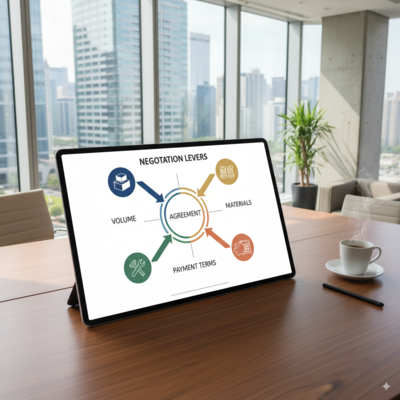
A simple demand for a "10% discount" gives me no room to work. I don't know why you need it or what you're willing to give in return. A much better approach is to understand that price is tied to many different factors. You can use these factors as levers in your negotiation. When a partner comes to me with these kinds of questions, it starts a creative, problem-solving conversation instead of an argument.
Here are some levers you can pull:
- Volume: This is the most obvious one. Higher volume almost always means a better price. Consolidate your orders.
- Materials: Ask if changing a material can lower the cost. Sometimes a slightly different—but still high-quality—material can result in significant savings.
- Payment Terms: Offer to pay a larger deposit upfront or to pay for the order earlier in exchange for a small discount. Cash flow is very important to manufacturers.
- Lead Time: Ask if you can get a better price by giving the factory a longer lead time. This allows them to plan production more efficiently during their off-peak times.
Conclusion
Effective price negotiation is not a fight. It's a strategic conversation where you build a case for why you deserve a better price. By presenting a clear plan, aiming for a long-term partnership, and negotiating on value instead of just cost, you build the trust that unlocks a supplier's best terms.
Footnote: