You trust your harness supplier, but a single faulty buckle could lead to a tragic accident, a lawsuit, and a ruined brand reputation. The thought of this happening keeps you up at night.
The three biggest red flags are a lack of tensile strength test reports, no proof of material safety (like colorfastness), and no chemical certifications1 like OEKO-TEX®2. A supplier missing these is likely prioritizing cost over your customers' safety and your business's security.
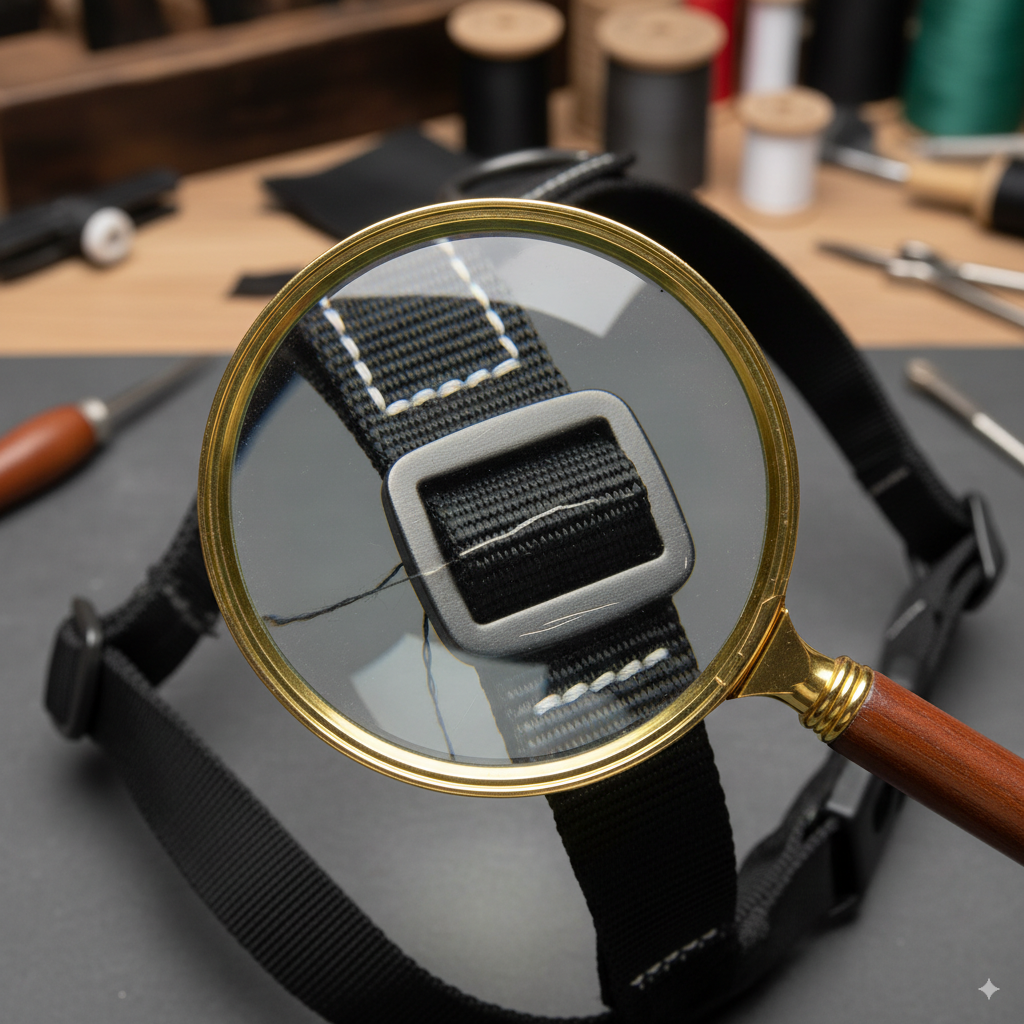
In my 11 years of manufacturing pet products, I've seen everything. I’ve inspected harnesses from other factories that looked great on the surface but were stitched with weak thread that would snap under the pressure of a dog pulling. These are the kinds of invisible failures that can destroy a small business. That’s why at BoonPets, we built our own testing lab—we trust, but we always verify. Your supplier should be able to provide you with the same level of assurance. Let's break down the critical red flags so you can protect your business and your customers.
What Are the Essential Safety Features of a Dog Harness?
You're looking at a harness with lots of bells and whistles. But how do you know which features actually improve safety and which are just marketing gimmicks?
The most critical safety features are not fancy add-ons. They are strong hardware like welded D-rings, reinforced stitching at key stress points (bar-tacking), and durable webbing that won't chafe or tear. These basics are what truly matter when a dog suddenly lunges.
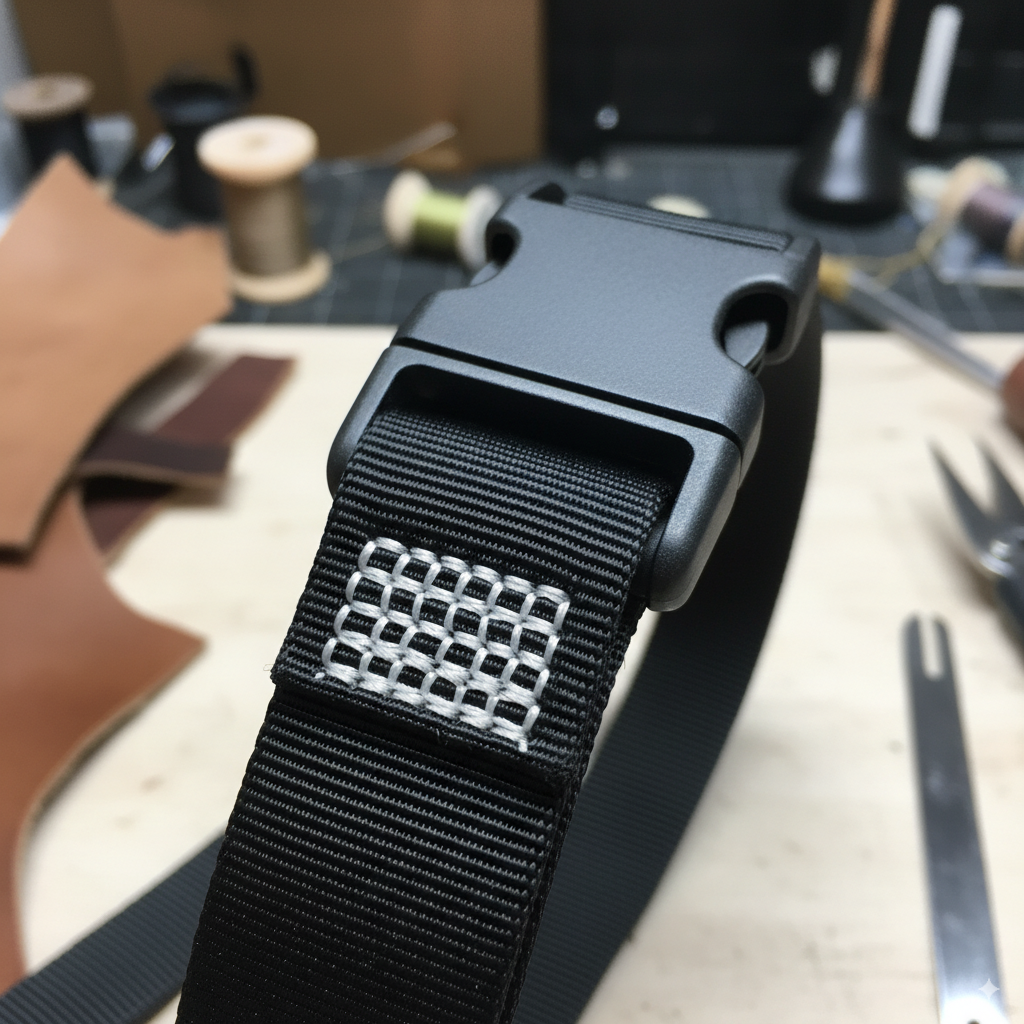
When evaluating a new harness, I ignore the trendy colors and focus on the construction. A harness is a piece of safety equipment, and its integrity depends on a few core components that a manufacturer must get right. A supplier cutting corners on these basics is gambling with safety. When you inspect a sample, don't just look at it—pull on it. Feel the edges. Check the hardware. A quality product will feel solid and well-made, while a cheap one will reveal its weaknesses quickly.
| Feature | Safe Choice (What to Look For) | Red Flag (What to Avoid) |
|---|---|---|
| D-Ring | Welded or forged metal (no gaps) | Split-keychain style rings, thin or plastic |
| Stitching | Reinforced box or "X" bar-tacking | A single, straight line of stitching |
| Buckle | Name-brand (e.g., Duraflex®) or thick plastic | Thin, unbranded plastic that feels brittle |
| Material Edge | Smooth, finished edge | A sharp, melted edge that can chafe the skin |
A reputable manufacturer will also consider the dog's comfort and safety. We test our products to ensure there are no sharp points or edges that could dig into a dog's skin, complying with EN-71 mechanical property standards. The materials should feel robust yet soft to prevent irritation during long walks.
Why Do Some Manufacturers Bypass Safety Standards—and How Does It Impact Your Liability?
You’ve found a supplier with unbelievably low prices. You wonder how they do it, but the deal seems too good to pass up, making you hesitant to ask hard questions.
Manufacturers bypass safety standards for one reason: to cut costs. Using cheap, untested materials and skipping quality control steps like strength testing allows them to offer a lower price. But this directly increases your legal liability if a product fails and causes injury.
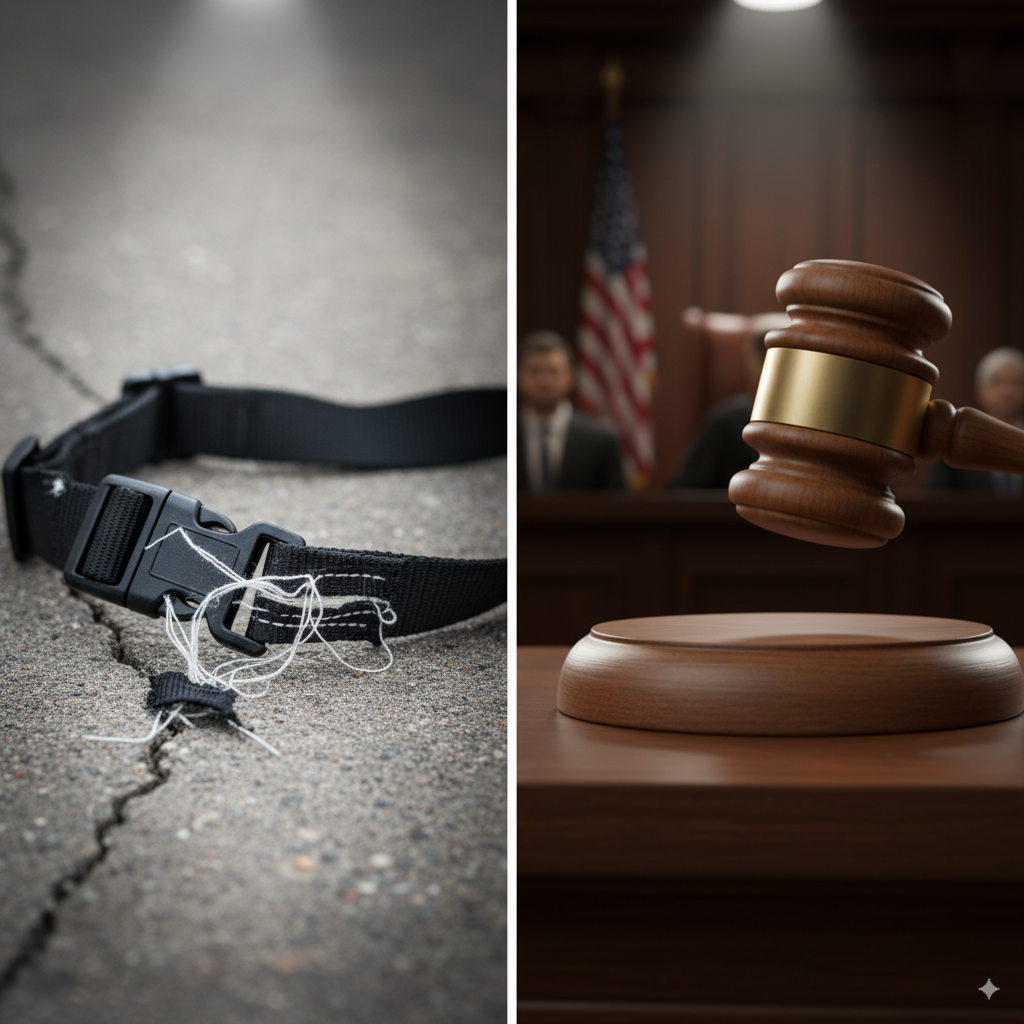
This is the harsh truth of global sourcing. The factory in another country isn't the one that gets sued when a dog gets loose and runs into traffic—you, the retailer, are. The legal system sees you as the final link in the chain, responsible for ensuring the products you sell are safe. When a supplier skips testing, they are not just saving themselves a few cents; they are transferring all the risk onto your business. This is why demanding documentation is not just good practice; it’s a critical part of protecting your company. If you can’t get a straight answer or a valid test report, it’s a massive red flag. A good partner like BoonPets sees safety documentation as part of the product we deliver. We know it protects our partners just as much as it protects the pets who wear our gear.
How Should You Conduct Supplier Due Diligence?
You're about to place a big order, but you feel like you're flying blind. How can you be sure this supplier is trustworthy and won't send you a container of defective products?
Effective due diligence involves three steps: requesting documentation, verifying that documentation, and asking specific questions about their quality control process3. Don't just take their word for it; ask for the actual test reports, certifications, and QC checklists they use internally.

Before I partner with any new raw material supplier, I put them through a rigorous vetting process. You should do the same with your finished goods manufacturers. It's not about being distrustful; it's about being professional. Here's a simple checklist to guide you:
-
Request Core Certifications:
-
Demand Product-Specific Testing:
- Tensile Strength Report: For the specific harness you want to buy, ask for the lab report showing its breaking strength. Don't accept a generic report for a different product.
- Chemical/Colorfastness Tests: Ask for reports from a third-party lab like SGS, Intertek, or CTI that show the product is free of harmful substances like azo dyes and that the colors won't bleed.
-
Ask About Their Process:
- "Can you walk me through your quality control process for a new order?"
- "Do you have in-house testing equipment, like a tensile strength tester?"
- "How do you handle a batch that fails a quality check?"
The answers to these questions will tell you everything you need to know. A great supplier will be proud to show you their systems. A supplier that cuts corners will give you vague answers or excuses.
Are "Crash-Tested" Harnesses Actually Safe?
You see harnesses advertised as "crash-tested" and assume they meet an official safety standard. But is this a regulated term, or just a clever marketing phrase to justify a higher price?
There is currently no official government standard or regulation for "crash testing" dog car harnesses. Some brands conduct voluntary testing, but the methods and results vary widely, making it difficult for retailers to compare products and verify claims. The term is often used for marketing.
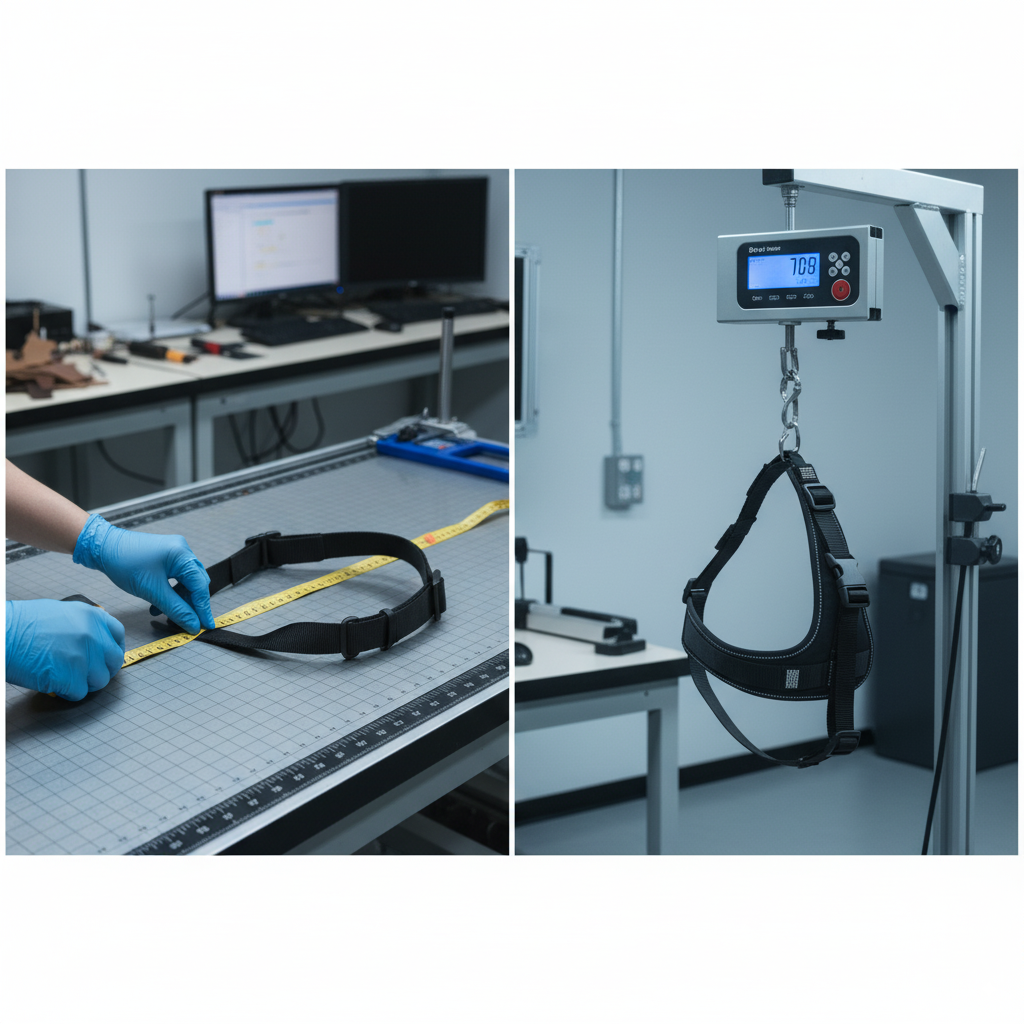
This is a very tricky area for retailers. While a few dedicated brands have partnered with organizations like the Center for Pet Safety (CPS) to conduct independent testing5, many more simply use the "crash-tested" label without any real data to back it up. As a manufacturer, I find this trend concerning because it can be misleading. A harness designed for walking has a very different job than one meant to withstand the forces of a car crash. The construction, materials, and hardware must be far more robust. If a supplier makes this claim, your due diligence is more important than ever.
Ask them directly:
- "Which testing standard did you use?"
- "Was the test performed by an independent, third-party facility?"
- "Can I see the full test report and video of the test?"
If they can't provide clear, specific answers and complete documentation, you should be very skeptical. A truly safe car harness is a highly engineered piece of equipment, and any manufacturer who has done the work properly will be eager to show you the proof.
Conclusion
Choosing a harness supplier is one of the most important decisions you'll make for your pet business. Look past the promises and demand proof. By asking for test reports and certifications, you're not being difficult—you're being a responsible business owner. A great partner will respect this and work with you.
Footnote:
Chemical certifications ensure that products are free from harmful chemicals, protecting both pets and consumers. ↩
OEKO-TEX® certification guarantees that textiles are free from harmful substances, ensuring safety for pets. ↩
A robust quality control process ensures that products meet safety standards, reducing liability for retailers. ↩
BSCI certification ensures ethical labor practices, which is crucial for responsible sourcing. ↩
Independent testing provides unbiased verification of safety claims, essential for consumer trust. ↩