You've been burned before. A beautiful sample arrives, you place a huge order, but the final shipment is junk. Now your cash is tied up in products you can't sell.
To inspect harness quality before ordering, you must physically scrutinize the sample's hidden details. Examine the hardware, plastic buckles, stitching, and material edges. Focus on things like hardware weight, buckle material (virgin vs. recycled POM), and reinforced stitching1 at all stress points.

There is nothing more frustrating for a procurement manager than receiving a bulk order that doesn't match the quality of the "golden sample" you approved. It's a costly mistake that hurts your profits and damages your brand's reputation. After 11 years of manufacturing pet products at BoonPets, I know that two harnesses that look identical can be worlds apart in quality. The difference is always in the details that most people overlook. I'm going to walk you through the exact inspection process I use, so you can spot a low-quality product from a mile away and choose a partner you can truly trust.
How Do You Test a Dog Harness?
You have a sample in your hands, but just looking at it isn't enough to calm your nerves. You worry it will fail under pressure, leading to product returns and angry customers.
Testing a harness involves both your own physical inspection and asking the manufacturer for their specific lab test data. This combination gives you the complete quality picture.
To properly test a harness sample, perform a hands-on "pull test" on all straps and the main D-ring. More importantly, ask the manufacturer for their reports. Request salt spray test2 data for hardware corrosion resistance and tensile strength reports for buckles to ensure they are using strong, virgin POM3 material.
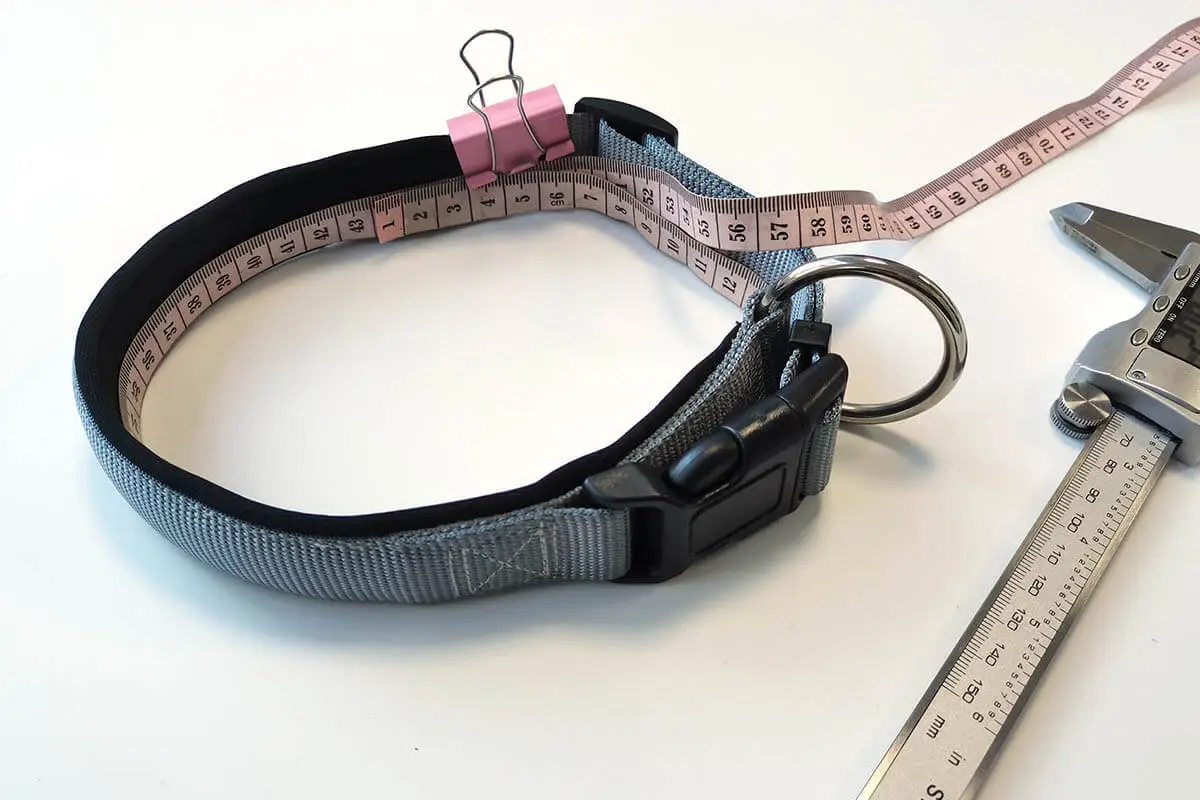
Trust, but verify. This is my mantra when it comes to quality. A physical sample only tells you half the story. The other half is in the data. A reliable manufacturer will have this information ready and will be happy to share it. Their willingness to be transparent is a huge indicator of quality.
Your Physical Test
First, get your hands on the product. Use your senses.
- The Pull Test: Grab the harness and pull hard on the D-ring and strap joints. Does anything stretch or make a sound? The components should feel solid and unyielding.
- The Buckle Test: Open and close the main buckle 20-30 times. It should produce a consistent, crisp "click" every time. If it feels mushy or inconsistent, that's a red flag.
- The Smell Test: Bring the plastic and fabric parts close to your nose. A strong chemical odor often indicates the use of cheap, recycled plastics or low-grade dyes. A quality product should be virtually odorless.
The Data Test (What to Ask Your Manufacturer)
This step is critical.
- For Plastic Buckles: Ask for the tensile strength report. We use virgin Polyoxymethylene (POM), often called "metal plastic," for its incredible strength. Some factories use recycled POM to cut costs, but internal testing shows these recycled parts can have a tensile strength that is only 55% of a quality part. This is a massive safety risk.
- For Metal Hardware: Ask for the salt spray test report. This test proves the hardware's plating is high quality and will resist rust and corrosion over time.
How Do You Properly Inspect a Harness?
You are looking at a sample, but with so many details, you're not sure where to focus. You know missing one small flaw could mean approving a production run of thousands of defective units.
A proper inspection is a systematic, hands-on process. I will show you exactly where to look and what details expose the true quality of the harness.
To properly inspect a harness, start with the stress points. Look for reinforced “box stitching4” where straps meet. Check that all webbing ends are smoothly finished, not just cut and burned. Feel the padding to ensure it is dense and won't flatten out after a few uses.
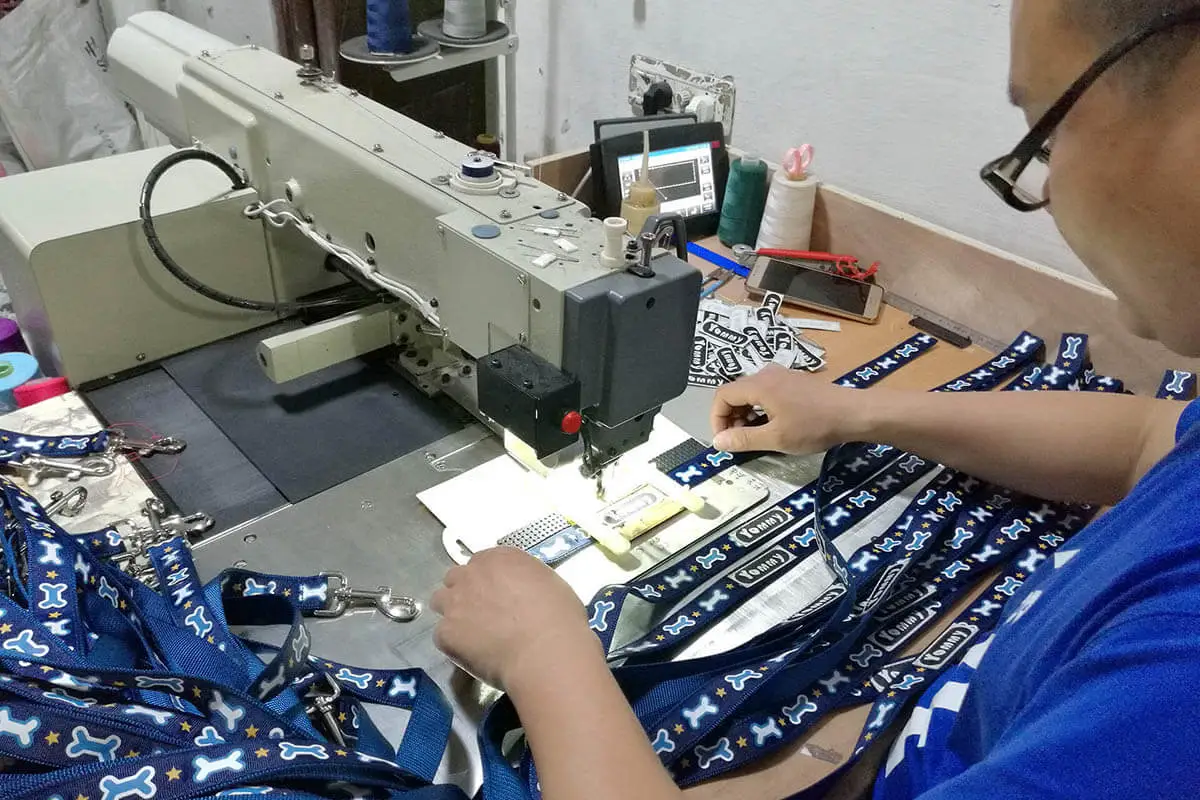
Quality is the sum of many small, intentional decisions. A cheap harness is cheap because the manufacturer cut corners on dozens of these small details. When I inspect a new design, I follow a specific sequence to make sure nothing is missed. You should do the same with any sample you receive.
| Component | What to Look For | Why It Matters |
|---|---|---|
| Stitching | Look for tight, consistent "box" or "X" patterns at all joints where straps connect to D-rings or other straps. | This is reinforced stitching. A simple straight line of stitches is a weak point that will fail under pressure from a pulling dog. |
| Webbing Joints | Find where a piece of webbing ends. Is it cleanly folded over and stitched, or is it just cut and melted with a hot knife? | A melted end is sharp and abrasive. It can chafe the dog’s skin and looks cheap. A clean, folded finish is a sign of true craftsmanship. |
| Padding | Squeeze the padded areas between your thumb and forefinger. Does it feel spongy and substantial, or does it flatten out easily? | Low-quality, open-cell foam offers little real cushioning and will compress into nothing over time. High-quality padding provides lasting comfort. |
| Labels & Logos | Examine the brand label. Is it a high-density woven label that is stitched on all four sides, or a cheap printed tag? | This small detail speaks volumes about the manufacturer's overall commitment to quality. Good suppliers don't cut corners, even on the label. |
What Should I Look for in a Dog Harness?
You want to offer your customers the best, but the choices are overwhelming. What are the key features that truly define a premium, reliable, and desirable dog harness?
Beyond the basics, look for signs of superior design and materials. Prioritize heavy, solid hardware over flimsy alternatives, and demand buckles made from virgin POM plastic for safety. These details, though small, are the difference between a good harness and a great one.
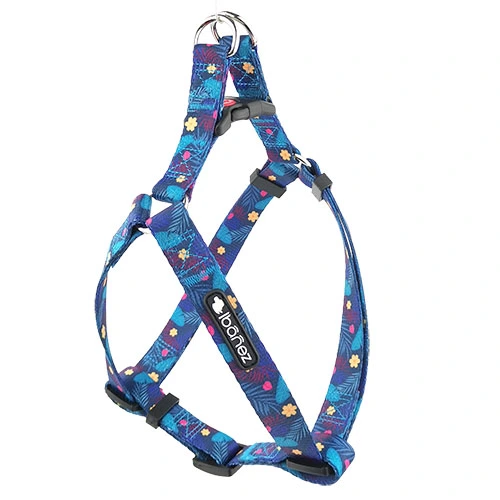
Two harnesses can look the same in a photo, but feel completely different in your hands. This is because the most important quality indicators are often related to material density and composition. You can't see these things, but you can feel them. This is where you, as a buyer, need to become an expert inspector.
The Feel of Quality: Hardware and Plastics
- Hardware Inspection: When you get a sample, ignore the color and finish at first. Just hold it. Does the hardware—the D-rings and adjustment sliders—feel substantial and heavy for its size? Or does it feel light and tinny? Lower-cost manufacturers use thinner, lighter metal to reduce costs. This directly compromises the strength and safety of the harness. A heavier piece of hardware is a good sign of a more durable alloy and robust construction.
- Plastic Buckle Inspection: This is one of the most critical safety components. As I mentioned, we insist on using new, virgin POM material. Cheaper factories mix in recycled material. How can you tell the difference? A buckle made with recycled content often feels lighter. Even more telling is the sound it makes when you drop it on a table. A quality POM buckle will have a sharp, solid "clack," while a lower-quality one will have a duller, softer sound.
These are not trivial details. They are the core of the product's safety and durability, and they are exactly what an experienced manufacturer pays attention to.
Conclusion
Don't let a "golden sample" fool you into a costly mistake. True quality inspection is about digging deeper. By testing for strength, systematically inspecting the construction details, and learning to feel the difference in hardware and plastics, you can confidently choose a manufacturer who delivers excellence every single time.
Learn why reinforced stitching can make a significant difference in the durability of dog harnesses. ↩
Discover how salt spray tests can indicate the longevity and quality of metal hardware. ↩
Learn about the benefits of virgin POM in harness construction and its impact on safety. ↩
Learn about box stitching and how it contributes to the strength of dog harnesses. ↩