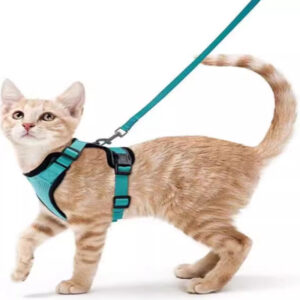
Are you getting conflicting advice about dog harnesses1? Many trainers praise them, while others warn against them. It’s confusing, and you’re right to want a clear answer for your business and your customers.
The controversy isn't about harnesses in general. It stems from using the wrong type of harness, ensuring a poor fit, or following outdated training ideas. The right harness is one of the safest tools for walking a dog, and understanding the difference is key to providing what your customers need.
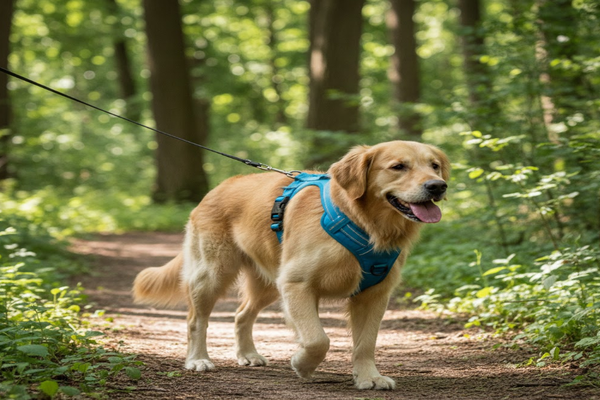
If you’re a procurement manager like Alex, you've probably seen this debate online or heard it from customers. One day a harness is the best thing since sliced bread; the next, it's a tool that encourages pulling. This kind of conflicting information makes it tough to build a reliable and reputable product line. You need to stock items that are not only popular but also endorsed by modern, ethical professionals2. Over my 11 years in this business, I've seen these debates come and go, but the core principles of safety and good design never change. Let’s break down the arguments so you can make confident decisions for your inventory.
What Are the Real Concerns Behind Anti-Harness Arguments?
You hear that harnesses teach dogs to pull, making walks more difficult. This criticism can make you hesitate to stock certain products. But the truth is more nuanced, and understanding it gives you a competitive edge.
The main concerns boil down to a few key issues. Some trainers argue harnesses encourage pulling, offer less control than collars, and can even be physically harmful if they don't fit right. These points are valid, but they mostly apply to poorly designed or improperly used harnesses, not all of them.

To really understand this, we need to look at each argument one by one. I've spent years working with designers and canine experts to perfect our products, so I've studied these issues in great detail. It’s not about taking sides; it’s about understanding the mechanics and the dog's well-being.
1. The "Opposition Reflex" Theory: Do Harnesses Really Teach Dogs to Pull?
The biggest claim is that harnesses trigger a dog’s natural tendency to pull against pressure, much like a sled dog. This is especially true for standard back-clip harness3es. When the leash attaches to the back, the dog can use its entire body weight to pull forward, and the pressure on its chest can actually encourage this behavior.
However, this isn't the whole story. The issue is less about the tool and more about the training. A back-clip harness is a management tool, not a training aid for loose-leash walking. For a dog that already walks well, it’s perfectly comfortable and safe. For a puller, a front-clip harness4 is a much better choice because it works differently.
| Leash Attachment Point | How It Affects Pulling | Best For |
|---|---|---|
| Back-Clip | Allows dog to leverage full body weight forward. | Already trained dogs, running. |
| Front-Clip | Gently redirects the dog back toward you. | Loose-leash walking training. |
| Collar | Puts direct pressure on the throat and neck. | ID tags; not ideal for pullers. |
A front-clip harness changes the physics completely. When the dog pulls, it’s redirected sideways, back toward you, making it difficult to pull forward. It doesn't "correct" the dog with pain; it simply makes pulling an ineffective strategy.
2. Lack of Communication & Control
Some trainers feel a collar gives them more direct "steering" control because it's near the dog's head. They believe this allows for subtle cues and quick corrections to keep the dog in a heel position.
While there is a degree of truth to this, that "control" comes at a high cost. A collar puts all the pressure directly on the dog's trachea, thyroid, and neck vertebrae. Even a small jerk can cause serious, long-term damage. In my opinion, and in the view of many veterinary professionals, the risk is just not worth it. Modern, positive training methods focus on teaching a dog what to do through rewards, not physically correcting them with tools that can cause pain or injury. A well-designed harness, especially one with a front clip, offers excellent communication without risking the dog’s health.
3. The Critical Issue of Improper Fit and Design
This is the most important argument, and one I completely agree with. A poorly designed or badly fitted harness is a real problem. I've seen countless examples that restrict a dog's natural movement, and this is where the conversation needs to focus. A bad harness can cause chafing, sores, and even long-term gait and joint problems.
These are the red flags to watch for:
- Restricts Shoulder Movement: Many cheap harnesses have a strap that cuts straight across the dog’s chest and shoulders. This design prevents the shoulder blades from moving freely, which can lead to muscular imbalance and arthritis over time.
- Causes Chafing: If the harness is too tight or made from rough materials, it will rub raw spots under the dog’s front legs (in the axilla).
- Too Loose or Too Heavy: A loose harness is an escape risk, while a bulky harness can be uncomfortable and hot, especially for smaller dogs.
A harness should work with a dog's body, not against it. This is why we focus on Y-front designs at Boonpets—they sit on the breastbone, leaving the shoulders completely free. This deep understanding of canine biomechanics5 is what separates a good manufacturer from a great one.
Is It About the Tool or the Training Philosophy?
You see one expert recommending prong collars and another advocating for harnesses. This makes it hard to know who to trust. It feels like you’re caught in the middle of a major disagreement.
The simple answer is that the tool often reflects the trainer's core philosophy. The debate isn't just about equipment; it’s about two fundamentally different approaches to dog training. Understanding this context helps you align your brand with modern, ethical standards.
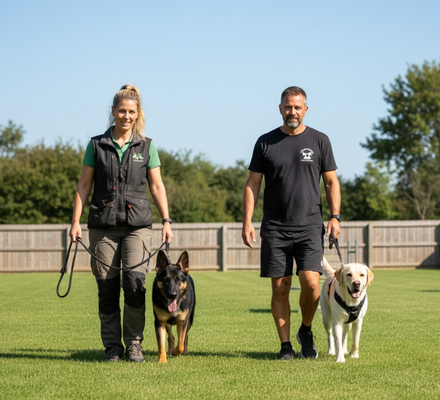
Let's quickly break down the two main camps in the dog training world. Knowing this will help you understand why certain "experts" recommend certain tools. It clarifies the "why" behind their advice and helps you choose partners and products that reflect responsible pet ownership.
Footnote:
Explore the advantages of dog harnesses to understand their role in safe and effective dog walking. ↩
Learn how to recognize ethical trainers and products that align with modern dog training standards. ↩
Explore the benefits of back-clip harnesses for trained dogs and specific activities. ↩
Find out how a front-clip harness can help with loose-leash walking and improve control. ↩
Explore the significance of biomechanics in creating effective and comfortable dog harnesses. ↩