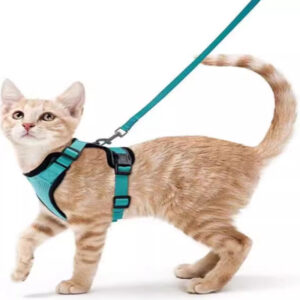
Are you worried that your pet's collar is choking them on walks? You see them pull and gag, and you can't shake the feeling that you might be causing unseen damage to their delicate neck.
Harnesses are better than collars because they distribute pressure across the chest and back, avoiding the neck entirely. This simple design change prevents choking, protects the trachea and spine1 from injury, and provides a safer, more comfortable experience for your pet.

I've been manufacturing pet walking gear for over a decade, and the industry's shift from collars to harnesses is one of the most important advancements in pet welfare I've witnessed. This isn't just another trend; it's a fundamental change driven by veterinarians, trainers, and owners who understand that how we walk our pets directly impacts their health. Let's break down exactly why a harness is the superior choice for nearly every dog and cat.
Why Is a Harness Better Than a Collar?
You see your dog strain against their collar but assume it's normal behavior for a puller. You might be unknowingly risking their long-term health with every single walk you take together.
A harness is better because it completely eliminates pressure on the throat. This protects vital structures like the trachea, thyroid gland2, and cervical spine from injury. For pets that pull, it offers superior control without the dangerous health risks associated with neck pressure.
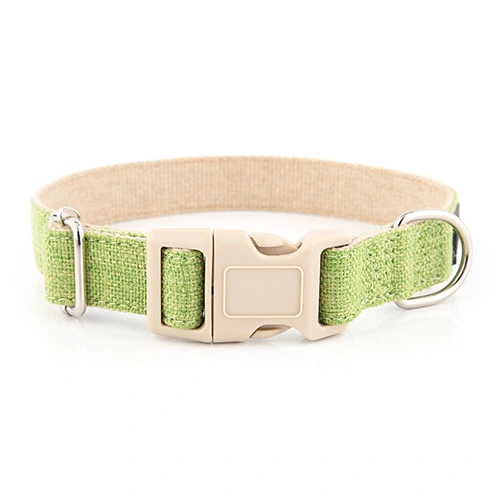
When we design products at BoonPets, the number one priority is pet safety. A collar concentrates all the pulling force onto a very small, very sensitive area. This can lead to a host of problems, from a collapsed trachea—especially in small breeds—to damage to the thyroid gland2 and an increase in eye pressure. A harness, on the other hand, acts like a supportive vest. It spreads that same force across the strongest parts of the body: the chest and back. This not only makes the walk more comfortable but also prevents the chronic injuries that vets see from years of collar use.
| Feature | Collar | Harness |
|---|---|---|
| Pressure Point | Concentrated on the neck/throat | Distributed across the chest/back |
| Health Risks | Tracheal damage, neck strain, nerve damage | Low risk of injury, potential for chafing if ill-fitted |
| Best For | Holding ID tags, very calm walkers | All walks, especially for pullers and sensitive breeds |
| Control | Can lead to choking, limited control | Superior control without choking |
Do Vets Recommend Collars or Harnesses?
You trust your vet's advice but see conflicting information everywhere else. It's confusing to know which walking tool is truly the professional standard for keeping your pet safe and healthy.
The vast majority of veterinarians and canine physical therapists3 now recommend harnesses over collars for walks. They regularly treat neck, spine, and throat injuries caused directly by collars, especially in dogs that pull. For promoting long-term physical health, harnesses are the vet-preferred choice.
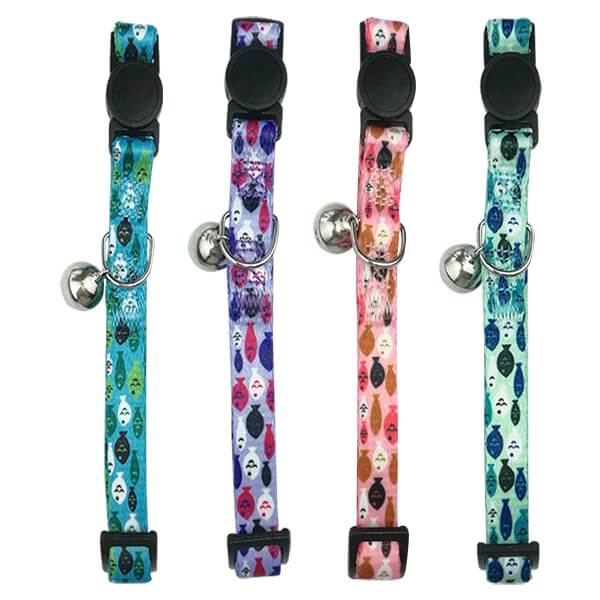
The professional consensus has shifted for a reason: evidence. Vets aren't just giving an opinion; they are basing their recommendation on canine anatomy and the injuries they see in their clinics every day. Conditions like laryngeal paralysis4 and intervertebral disc disease can be caused or worsened by the sharp, jerking pressure of a collar. While a collar is still the perfect tool for holding ID and registration tags, it's no longer considered the safest option for attaching a leash. Some old-school trainers might still prefer "correction" collars, but the modern, science-based training community overwhelmingly favors harnesses because they allow you to manage a dog without causing pain or fear, which is the foundation of a positive relationship with your pet.
Does a Harness Make a Dog Pull Less?
You excitedly bought a harness, hoping for a miracle cure to your dog's pulling. Now you're frustrated because they still strain forward, maybe with even more power than before.
A harness will only make a dog pull less if it's the right kind of harness. Standard back-clip harnesses can actually encourage pulling. To stop pulling, you need a front-clip or "no-pull" harness, which cleverly redirects your dog's momentum back toward you.

This is a common frustration, and it comes down to a simple design difference. A harness with the leash ring on the back allows your dog to use their full body weight to pull forward, just like a sled dog. They are leaning into the pressure. This is called the opposition reflex5. A front-clip harness, however, attaches the leash to a ring on the dog's chest. When they pull, the leash tightens from the front, gently turning their body to the side and breaking their forward drive. It doesn't choke them or cause pain; it simply makes pulling an ineffective strategy. While any harness has the potential to chafe if it doesn't fit correctly, this is a solvable issue. As a manufacturer, we build our harnesses with multiple adjustment points to ensure a snug, comfortable, and effective fit. The right harness doesn't just restrain your dog—it teaches them a better way to walk with you.
Conclusion
Switching from a collar to a harness is a simple but powerful upgrade for your pet’s health, safety, and comfort. Harnesses protect the neck from injury, offer far better control when you choose the right no-pull design, and are the walking tool recommended by most veterinarians today.
This resource explains the potential dangers collars pose to your pet's trachea and spine, emphasizing the need for harnesses. ↩
Understanding the impact of collars on the thyroid gland can help you make informed choices for your pet's health. ↩
Explore the role of canine physical therapists in promoting pet health and their stance on harnesses versus collars. ↩
Understanding laryngeal paralysis is crucial for pet owners to prevent serious health issues related to collar use. ↩
Understanding the opposition reflex is crucial for choosing the right harness, ensuring effective control and comfort for your dog. ↩