You're searching for a supplier, but the world is a big place. You've heard that European manufacturing means quality, but the prices are high. This uncertainty makes you worry about making a costly mistake on a subpar partner.
Today, China is hands down the most reliable region for manufacturing dog harnesses. It has the most complete supply chain, a massive skilled workforce, and decades of OEM/ODM experience1. This combination delivers a balance of quality, cost, and flexibility that other regions can't match.
Over the past 11 years, I've watched the global manufacturing landscape transform. I've had countless conversations with sourcing managers who are torn between the perceived prestige of "Made in Europe" and the undeniable economic advantages of Asia. But perception and reality are often two different things. A real-world example from my own business shows the truth. We recently had an Italian luxury brand, LIUJO PETS2, move their entire harness production from a local Italian supplier to us at BoonPets. Why? Because we could offer better quality, consistency, and scale. Let's dig into a realistic view of global manufacturing today.
Where Are Most Pet Products Actually Made?
You might think that high-quality pet products still come from traditional manufacturing countries in Europe. This belief leads you to search in places like Italy or Germany, only to find high costs, rigid MOQs, and limited options.
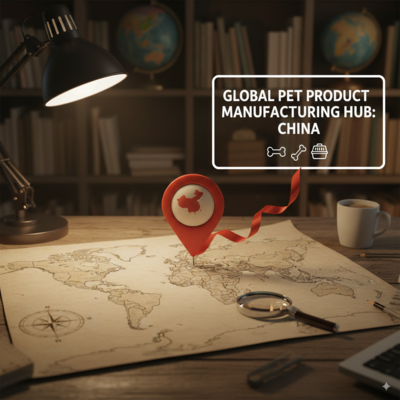
The overwhelming majority of pet products sold worldwide are manufactured in China. This isn't just about cost. China has built a complete and unbeatable ecosystem for production, including raw material suppliers, specialized machinery, skilled labor, and logistics networks that other regions simply lack.
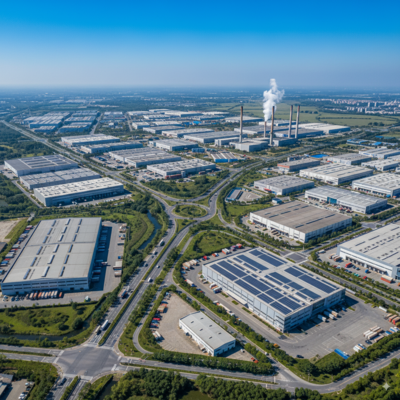
Let's be direct about the China versus Europe comparison. For years, countries like Italy were known for craftsmanship. But in the world of modern, scaled manufacturing for products like dog harnesses, they have fallen far behind. From my vantage point as a manufacturer who competes globally, the advantages are clear. The only real edge a European supplier has is geography—shorter shipping times by truck or rail. But even that is becoming less of an issue. When we ship from China to Europe using express air freight, the delivery time is very fast. Even including that shipping cost, our final price is often still more competitive than a European manufacturer's.
| Factor | China | Traditional Europe (e.g., Italy) |
|---|---|---|
| Cost | Highly competitive due to scale and efficiency. | Very high, due to labor and overhead costs. |
| Efficiency | Fast turnaround and streamlined processes. | Slower, often less flexible production schedules. |
| Capacity | Massive; can handle very large volume orders. | Limited; struggles with large-scale production. |
| Flexibility | High willingness to accommodate custom requests. | Often rigid, with less room for negotiation. |
| Supply Chain | Complete ecosystem; all materials are available. | Incomplete; may need to import components from Asia. |
How Can You Select a Reliable Supplier?
You know you need to find a good supplier, but you're overwhelmed with options. Every factory website looks professional, but you have no way of knowing who is truly reliable and who will cause major headaches.
To select a reliable supplier, you must look beyond their marketing and demand proof. A trustworthy manufacturer will be transparent and able to provide you with three key things: third-party audits, product-specific certifications, and clear details about their internal quality control process3.
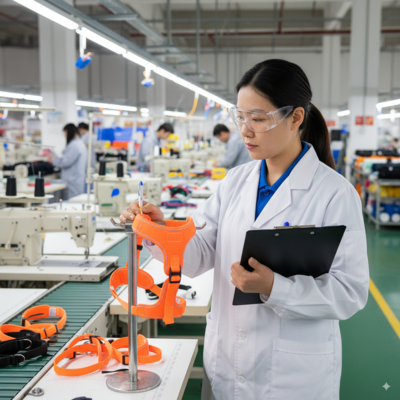
Trust, but verify. This is the motto I run my business on. I expect my partners to hold me to a high standard, and I do the same with my own raw material suppliers. A good partner will welcome your questions because they are proud of the systems they have built. If a potential supplier gets defensive or evasive when you ask for documentation, that's a huge red flag. It likely means they have something to hide. Here’s a simple framework you can use to vet any potential manufacturer, whether they are in China or anywhere else.
- Verify the Factory: Ask for a copy of their latest social compliance audit, like a BSCI4 or SMETA report. This shows they treat their workers ethically. Also, ask for an ISO 90015 certificate, which proves they have a documented quality management system in place.
- Verify the Product: Don't just accept promises. Ask for specific test reports for the products you want to buy. This includes tensile strength tests (to ensure it won't break) and chemical safety reports (like AZO-dye or colorfastness tests).
- Verify the Process: Ask them to explain their internal Quality Control (QC). How do they inspect raw materials? What are their checkpoints during production? What happens if they find a defect?
A reliable supplier will have ready answers and documents for all of these questions.
What Are Product Quality Certifications?
You see logos like OEKO-TEX®6 or ISO 9001 on a supplier's website, but you're not entirely sure what they mean. You wonder if they are just marketing fluff or if they represent a real commitment to quality and safety.
Product quality certifications are official documents from independent, third-party organizations that verify a manufacturer's claims. They are not marketing fluff. They prove that a factory meets specific, globally recognized standards for safety, quality management, and environmental responsibility.
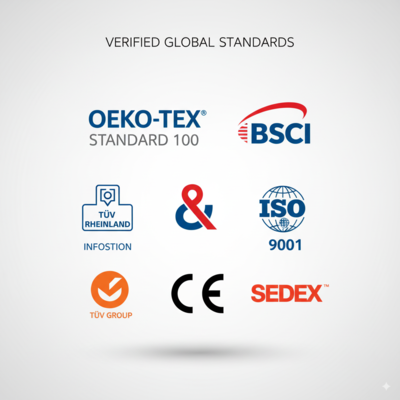
Think of certifications as a manufacturer's report card. They provide objective proof that a factory is not cutting corners. At BoonPets, we invest significant time and money into maintaining these certifications because they offer our partners peace of mind. They are a promise that we are committed to safety and quality at every step. Asking a potential supplier for these documents is a critical part of your due diligence.
Here are some of the most important ones to look for:
- STANDARD 100 by OEKO-TEX®: This is one of the world's best-known labels for textiles tested for harmful substances. If a harness material has this label, it means every component—from the thread to the webbing—is free from chemicals that could harm a dog's skin. We ensure our core materials meet this standard.
- ISO 9001: This certifies that a manufacturer has a formal Quality Management System (QMS). It means they have documented procedures for things like controlling product quality, handling customer feedback, and continuously improving their processes.
- BSCI (Business Social Compliance Initiative): This audit focuses on ethical working conditions. It tells you that the factory treats its employees fairly regarding working hours, wages, and workplace safety.
Conclusion
Choosing the right manufacturing region and partner is critical for your success. While Europe has a legacy of craftsmanship, China’s complete supply chain and manufacturing expertise make it the most reliable choice for dog harnesses today. Always verify any potential partner by demanding certifications and asking tough questions about their process.
Footnote:
Understand the significance of OEM/ODM experience in manufacturing and how it impacts product quality and customization. ↩
Explore the reputation of LIUJO PETS and their decision to shift production, highlighting industry trends. ↩
Discover the importance of a quality control process in manufacturing and how it ensures product reliability. ↩
Understand the BSCI certification and its role in ensuring ethical working conditions in manufacturing. ↩
Explore the significance of ISO 9001 certification and how it reflects a manufacturer's commitment to quality. ↩
Explore the OEKO-TEX® certification and its importance in ensuring textiles are free from harmful substances. ↩