Your current harness selection looks just like your competitors'. You're struggling to find unique products that justify a better retail margin. Your brand needs an innovative edge to stand out.
The most important innovation trends are sustainability (using recycled or biodegradable materials1), advanced ergonomics for a better fit, smart features like GPS tracking, and modular systems2. These trends are creating higher-value products that solve real problems for modern pet owners.

I've been manufacturing pet products for over 11 years, and the pace of change has never been faster. A decade ago, a harness just needed to be strong and come in a few basic colors. Today, that's just the starting point. My most successful partners are the ones who embrace innovation as a core part of their brand strategy. They understand that a new material or a smarter design isn't just a gimmick; it's a way to connect with a new generation of pet owners and build a brand that lasts. Let's explore the trends that are really making a difference.
How Are Sustainable Materials Changing Production Standards?
You know your customers care about the environment. But navigating claims of "eco-friendly3" products is a minefield of greenwashing4, making it hard to find genuinely sustainable options.
Sustainability is the biggest trend, and it's splitting into two main paths. The first is using recycled materials5, like rPET webbing made from plastic bottles. The second is using biodegradable materials, like hemp or innovative vegan leather6s, that reduce long-term waste.

Of all the innovations we see, this is the one that has fundamentally changed how we think about sourcing and manufacturing. It's no longer just about the finished product; it's about the entire lifecycle. At BoonPets, we've invested heavily in building supply chains for both recycled and biodegradable materials because we see this as the future. It allows our partners to tell a powerful story that resonates deeply with their customers.
The Recycled Revolution
The most popular and practical sustainable option right now is rPET, which stands for recycled polyethylene terephthalate. This is the material plastic water bottles are made of. We work with suppliers who collect these bottles, clean them, and process them back into high-quality yarn. This yarn is then woven into webbing that is just as strong and durable as virgin polyester. It's a brilliant way to divert plastic from landfills and oceans and give it a new life as a premium pet product.
The Biodegradable Frontier
The other exciting area is biodegradable materials. This includes classic options like hemp, which is incredibly strong and grows with little water, but also new innovations in vegan leather. Many old "pleathers" were just PVC, which is a petroleum product. The new generation of materials is made from things like cork, pineapple leaves, or mushrooms. These materials offer a unique aesthetic and appeal to the deeply committed eco-conscious consumer who wants to minimize their environmental footprint completely.
Which Ergonomic Designs Reduce Returns for Retailers?
Harness returns are eating into your profits. Customers complain about poor fit, chafing, or their dog escaping. This creates a negative customer experience and a logistical nightmare for you.
Ergonomic Y-shaped harnesses that avoid restricting shoulder movement are the most effective at reducing returns. Their design offers a secure, comfortable fit for a much wider variety of dog body types, leading to higher customer satisfaction and dramatically lower return rates for retailers.
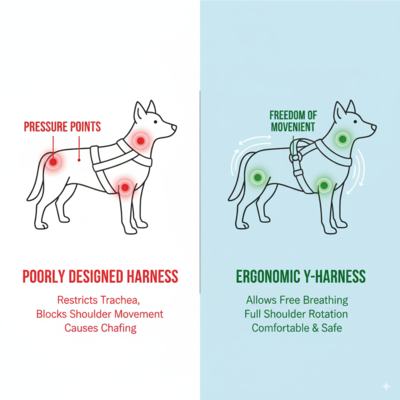
From a manufacturer's perspective, I can tell you that a poorly designed harness is a liability for everyone. It's unsafe for the dog and bad business for the retailer. We've spent years refining our harness patterns based on feedback from our partners and their customers. The data is clear: the better the design, the stickier the product. Customers don't return a harness that fits their dog perfectly.
Freedom of Movement Is Key
The biggest problem with older, simpler harness designs is that they often have a strap that runs horizontally across the dog's chest. This can restrict the natural movement of the shoulder blades when the dog walks or runs. The best modern designs, often called "Y-harnesses7," have a strap that sits on the dog's sternum (breastbone) and a neck opening that forms a "Y" shape. This leaves the shoulders completely free to move, which is more comfortable and healthier for the dog in the long run.
Adjustability Equals Fewer Returns
The second critical element of an ergonomic design is adjustability. A harness with multiple adjustment points—typically at the neck and around the chest—can be tailored to fit an individual dog's unique shape. This means a single SKU8 can successfully fit a wider range of dogs, which is fantastic for your inventory management and drastically cuts down on returns from customers who bought the "wrong size." We have partners who have cut their return rate by more than half simply by switching to a more adjustable, ergonomic design.
What Smart Features Are Emerging in Premium Harnesses?
You want to offer a premium, high-tech product, but you're not sure which "smart" features are useful innovations and which are just short-lived gimmicks.
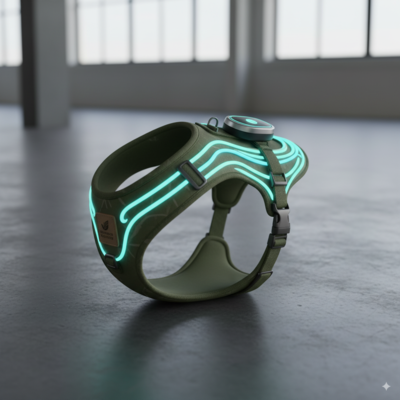
The most practical smart features emerging are integrated GPS tracking for safety and LED lighting for nighttime visibility. These features address real pain points for pet owners—the fear of a lost dog and the danger of walking in the dark—justifying a premium price point.
As a manufacturer, we are constantly testing new technologies. The key is to focus on integrations that add real, tangible value, not just complexity. The "smart home" a decade ago was full of gadgets that didn't solve real problems. The same is true for pet tech. The features that are gaining real traction are the ones that directly enhance a pet's safety.
Integrated GPS Tracking
This is the biggest game-changer. While clip-on trackers have been around for years, integrating the technology directly into the harness is the next step. This makes it more secure and less likely to fall off. For a pet owner, the peace of mind that comes from knowing their dog's location at all times is a powerful selling point. We are working on designs that seamlessly incorporate these small tracking units without adding bulk or compromising comfort.
Built-in LED Illumination
This is another feature born from a real-world need. Walking a dog at night, especially a dark-colored one, can be dangerous. Harnesses with built-in, rechargeable LED strips dramatically increase visibility to drivers. Unlike simple reflective tape, which only works when a light is shined directly on it, LEDs provide active illumination. This is a simple, effective safety feature that customers immediately understand and are willing to pay more for.
Conclusion
Innovation in the dog harness market is driven by solving real-world problems. By focusing on sustainability, superior ergonomics, and practical smart features, you can offer a product line that stands out, commands a higher margin, and builds a loyal customer base for years to come.
Footnote:
Learn about the advantages of biodegradable materials and their role in reducing waste. ↩
Explore the concept of modular systems and how they enhance functionality in pet products. ↩
Get insights into identifying truly eco-friendly products amidst greenwashing. ↩
Explore this resource to gain insights on identifying genuine eco-friendly products and avoiding misleading claims. ↩
Discover the impact of recycled materials on the environment and product quality in pet products. ↩
Explore how vegan leather is revolutionizing pet products with eco-friendly options that appeal to conscious consumers. ↩
Learn why Y-harnesses are preferred for their comfort and fit for various dog breeds. ↩
Understanding SKU is crucial for effective inventory management, helping you optimize stock levels and reduce returns. ↩