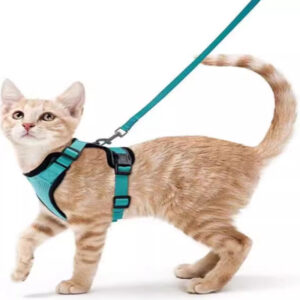
Struggling to choose the right dog harness1 from a sea of options? Making the wrong choice can hurt sales and even a dog's well-being. This guide gives you the professional secrets.
Dog trainers primarily recommend harnesses that are safe, comfortable, and support positive reinforcement. The top choices are Y-shaped front-clip harnesses2 for training, H-shaped back-clip harnesses3 for general walks, and multi-function harnesses for versatility. These designs protect a dog's physical structure and improve communication.
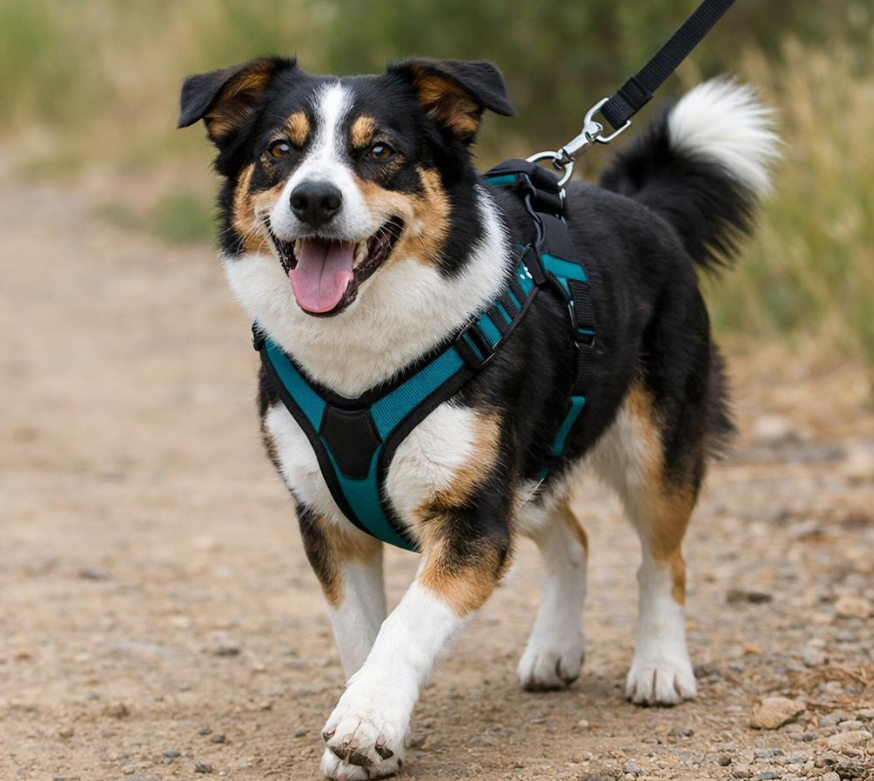
As a manufacturer for over 11 years, I've spoken with countless trainers, distributors, and pet owners. The same question always comes up: "Which harness is really the best?" The answer isn't just about a single product. It’s about understanding the principles behind a professional's choice. This knowledge empowers you, whether you're stocking your store shelves or choosing for your own furry companion. It’s the key to making a decision that is not only effective but also ethical and safe. Let's dive into what the experts look for, so you can make choices that build trust and drive success.
Why Does a Trainer's Recommendation Matter? Understanding the Philosophy Behind Their Choice?
You might think a harness is just a piece of gear. But a trainer’s choice is based on deep knowledge of dog behavior and health. Ignoring it means you might use a tool that works against you.
A trainer's recommendation matters because they see a harness as a communication tool, not just a restraint. They prioritize safety, comfort, and designs that align with positive reinforcement methods. Their choices protect a dog's natural movement and psychological well-being above all else.
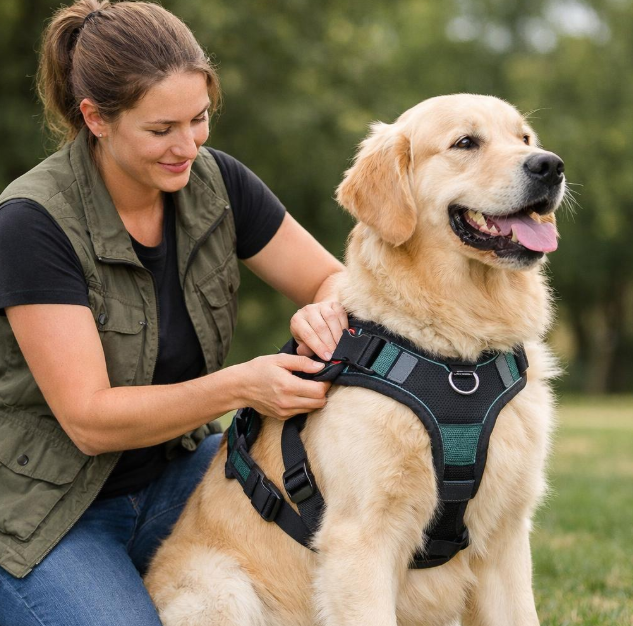
Over my years of manufacturing pet products at Boonpets, I've learned that exceptional gear is born from understanding the "why." Trainers don't just grab any harness off the shelf. Their selection is a deliberate act based on a core philosophy that puts the dog first. They are our most critical end-users, and listening to them is how we innovate products that truly perform.
More Than a Tool, It's a Communication Bridge
A harness is the physical link between a person and their dog. A good one makes communication clear and gentle. When a dog pulls on a well-designed harness, the feedback is subtle guidance, not a sharp correction. A poorly designed one, however, can create confusion, pain, and frustration. It sends mixed signals that undermine training efforts. Trainers choose tools that foster a cooperative relationship.
Focus on Canine Biomechanics
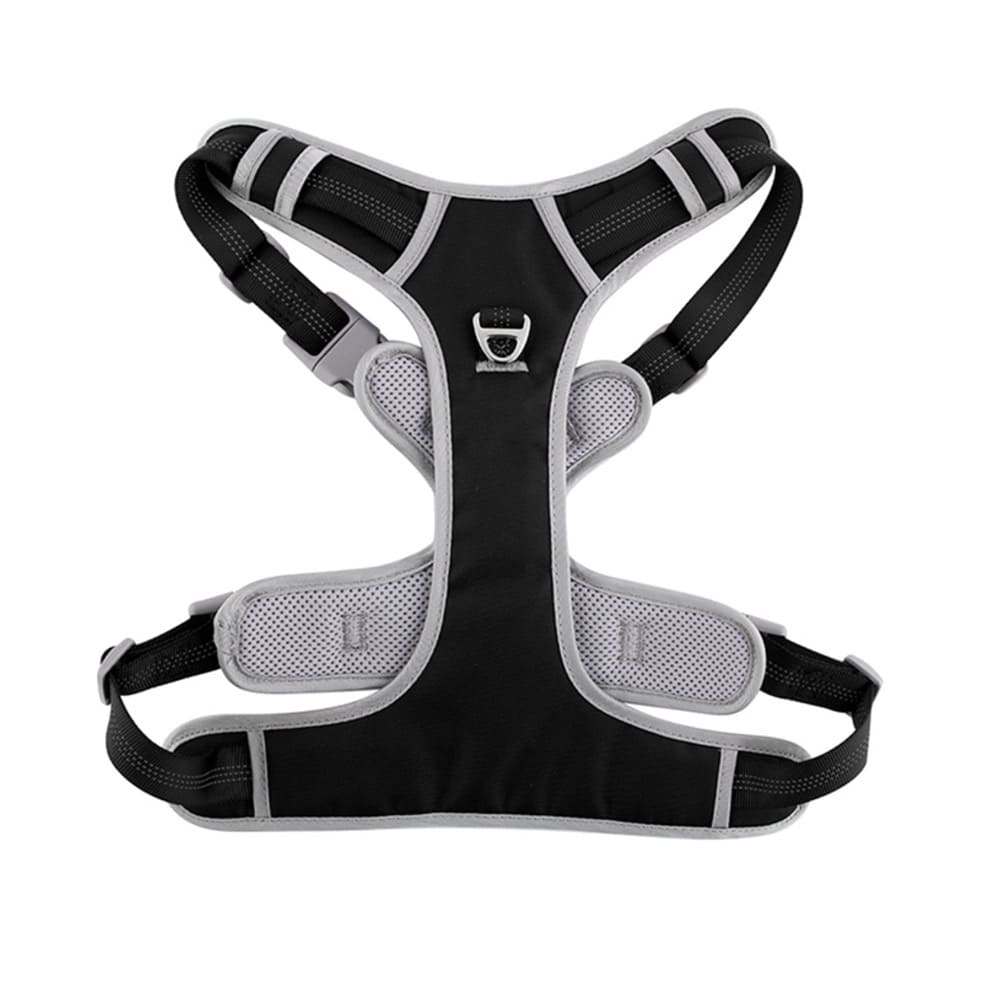
This is perhaps the most crucial factor. A dog's shoulders need to move freely. Many harnesses on the market have a strap that cuts directly across the shoulder muscles. This restricts the dog's natural gait. Over time, this can lead to joint problems, muscle imbalance, and chronic pain. Professional trainers and canine physiotherapists almost universally advocate for Y-shaped harnesses. The design leaves the shoulders completely uncovered, allowing for a full and healthy range of motion. We take this so seriously that our design process always starts with canine anatomy to ensure our products support health, not hinder it.
In-Depth Comparison of Trainer-Recommended Harness Types?
Y-shape, H-shape, dual-clip… the options are overwhelming. Stocking the wrong type for your inventory or choosing incorrectly for your dog leads to poor sales or frustrating walks. Here is a clear comparison.
Trainers primarily recommend three harness types. Y-Shaped front-clip harnesses are for training dogs that pull. H-Shaped back-clip harnesses are for general use on well-behaved dogs. Versatile Dual-Clip harnesses combine both functions for ultimate flexibility in different situations.
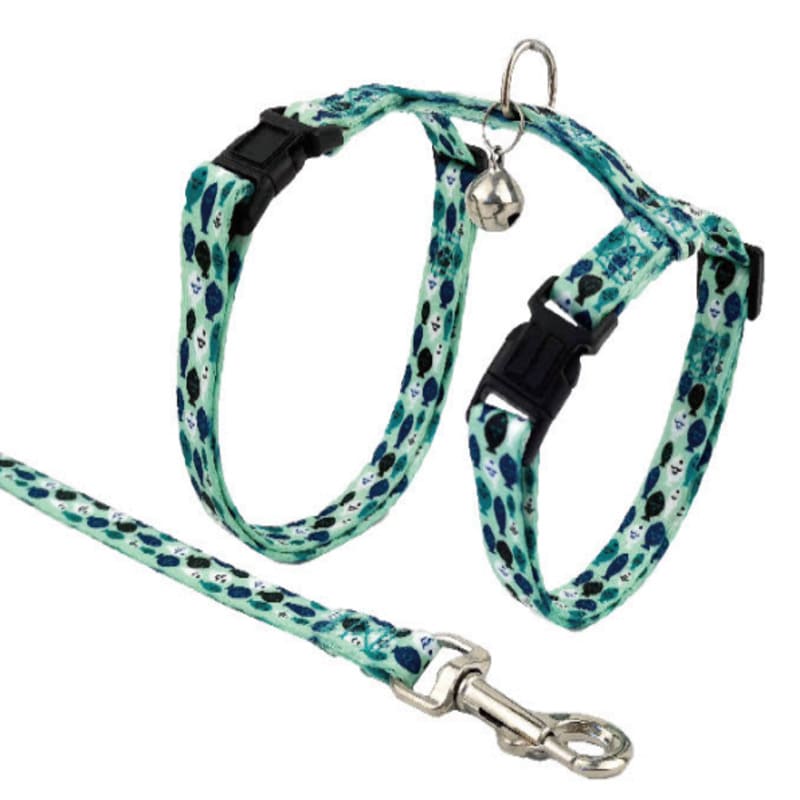
Understanding the specific use case for each harness type is essential for B2B buyers and pet owners alike. As a manufacturer, we don't believe in a "one-size-fits-all" solution. Instead, we focus on perfecting these core, trainer-approved designs. This ensures that every product line we offer has a clear purpose and meets a real-world need. This targeted approach helps our partners, like you, build a logical and profitable product catalog that resonates with educated consumers. The table below breaks down the key differences to help you decide.
| Feature | Y-Shaped Front-Clip Harness | H-Shaped Back-Clip Harness | Dual-Clip / Multi-Function Harness |
|---|---|---|---|
| Design Principle | D-ring is on the chest, gently redirecting the dog when they pull. | D-ring is on the back, distributing pressure evenly across the torso. | D-rings on both the chest and back. |
| Why Trainers Recommend It | Effectively reduces pulling (without force), does not restrict shoulder movement. | Ideal for dogs who have already mastered loose-leash walking; no risk of leash tangling. | Extremely versatile; can be switched based on training stage and environment. |
| Best For | Dogs in loose-leash training, strong pullers. | Daily walks, running, hiking, car safety. | Training transitions, complex environments. |
| Pros | Excellent for training, ergonomic design. | Easy to put on, highly comfortable. | Most functional, one harness for many uses. |
| Cons | Leash can sometimes get caught in front legs. | Offers almost no correction for pulling behavior. | Slightly more complex, requires learning the proper use. |
Why is the Y-Shaped Front-Clip Harness Considered the 'Gold Standard'?
Your dog pulls on the leash, making walks stressful. You've tried everything, but nothing works without yanking or frustration. You worry about choking them with your dog's collar. The Y-shaped front-clip harness provides a gentle, effective solution.
The Y-shaped front-clip harness is the "gold standard" because it controls pulling by redirecting the dog's forward momentum sideways. This gentle guidance discourages pulling without causing pain, choking, or restricting the dog's natural shoulder movement, making it a top choice for positive-reinforcement training.
When I founded Boonpets, my goal was to create products that solve real problems for dogs and their owners. The Y-shaped front-clip harness is a perfect example of this. It’s not about force; it’s about physics.
The Science of "No-Pull"
Unlike aversive tools that cause discomfort when a dog pulls, a front-clip harness works with the dog's body. When the dog surges forward, the leash attached to their chest creates a gentle pressure that turns their body back toward you. This redirection breaks their forward momentum and encourages them to check in with you. It doesn't rely on pain or fear. Instead, it turns a pulling moment into a training opportunity. There is no squeezing, choking, or pressure on sensitive areas. This is why it aligns perfectly with modern, humane training methods.
How to Use It Correctly
A front-clip harness is a tool, not a magic wand. To get the best results, trainers pair it with positive reinforcement. When the dog walks on a loose leash, reward them with praise or a small treat. When they start to pull and the harness redirects them, wait for the leash to slacken, and then immediately reward that choice. This teaches the dog that walking politely next to you is the most rewarding thing they can do.
What Harness Types Do Trainers Warn Against?
You see a harness advertised as a 'quick fix' for pulling. You buy it, hoping for a solution. But it either doesn't work, or worse, it seems to cause your dog discomfort or even pain.
Trainers warn against harnesses that can cause physical harm or psychological stress. This includes restrictive "T-Strap" or "Norwegian" harnesses that impede shoulder movement, and any "tightening" or aversive harness that relies on pain or squeezing to control the dog.
Part of our commitment at Boonpets is not just making good products, but also educating our partners on what to avoid. Supplying the wrong type of harness can damage your brand's reputation and lead to customer complaints. Knowing the red flags is just as important as knowing what to look for.
Restrictive "T-Strap" or "Norwegian" Harnesses
These harnesses are easy to spot. They have a single strap that runs horizontally across the front of the dog's chest, directly over the shoulder muscles. While popular because they are easy to put on, they severely restrict a dog's natural gait. Imagine trying to run with a tight band around your biceps. This design can lead to long-term joint damage, unnatural muscle development, and gait abnormalities.
"Tightening" or Aversive "No-Pull" Harnesses
These harnesses are designed to tighten or squeeze the dog's body when they pull. The pressure is often applied around the torso or under the sensitive armpit area. While they might stop pulling temporarily, they do so through discomfort or pain. This goes against the core principles of positive reinforcement training. It can create fear, anxiety, and a negative association with walks and the harness itself.
How to Spot a "Bad" Harness Quickly:
Here’s a simple checklist my team and I use to evaluate designs.
- Shoulder Strap: Does a strap run straight across the front of the shoulders? If yes, it's restrictive. Look for a Y-shape that goes around the shoulders.
- Action: Does any part of it tighten or squeeze when the leash is pulled? If yes, it's an aversive design.
- Hardware: Are the buckles plastic and flimsy? Are the D-rings thin or poorly welded? These are safety risks.
- Edges: Are the edges of the fabric rough or hard? This can lead to chafing and sores.
How Can B2B Buyers Turn Trainer Preferences into Commercial Success?
You're a buyer, and your goal is to stock products that sell. You see a huge market for harnesses but are unsure which ones will have the best sell-through and lowest return rate. Stocking the wrong items can tie up capital and damage your brand's authority.
To achieve commercial success, B2B buyers should focus their inventory on trainer-recommended harnesses. Prioritize ergonomic Y-shaped and dual-clip harnesses as your lead products. Differentiate your brand with superior materials, high-quality hardware, and thoughtful details like reflective stitching and reinforced stitching.
This is where my experience as a manufacturer directly serves you, my partner. I don't just want to sell you products; I want to help you build a successful and respected brand. We've seen firsthand which products have lasting power and which are just fads. The key is to align your purchasing strategy with the standards of professionals.
Product Development & Sourcing Advice
Your core investment should be in ergonomic Y-shaped and dual-clip harnesses. These meet the highest standards for canine health and training effectiveness. They are not just a trend; they represent the modern, educated standard of care. We pour most of our R&D into perfecting these designs at Boonpets. You can build a competitive advantage by focusing on quality. Ask us about using premium materials like neoprene padding for comfort or recycled fabrics for an eco-conscious angle. Specify high-quality, load-tested metal hardware. These details are what separate a premium product from a generic one.
Your Next Purchase Order Checklist:
Use this checklist when you next communicate with us or any supplier:
- Lead Product: Are high-quality Y-shaped front-clip or dual-clip harnesses my main focus?
- Supporting Line: Am I offering comfortable H-shaped back-clip harnesses for general use?
- Material Specs: Have I specified durable, quick-drying, and non-abrasive fabrics?
- Hardware Standard: Have I requested rust-proof, high-load-bearing metal buckles and D-rings?
- Design Details: Does the design include reflective elements for safety and multiple adjustment points for a better fit?
- Certifications: Can the supplier provide material safety reports4 or pull-force test results for key components?
This strategic approach ensures you are not just buying harnesses, but investing in a product line that builds customer trust and loyalty.
Conclusion
In the end, choosing a harness comes down to three things: safety, comfort, and effectiveness. The best choices support the dog's well-being and strengthen the bond with their owner.
Footnote:
Explore this link to discover various dog harness types and find the perfect fit for your furry friend. ↩
Learn why trainers favor Y-shaped harnesses for effective training and comfort for dogs. ↩
Find out how H-shaped harnesses can enhance your dog's walking experience. ↩
Understand the importance of material safety reports in ensuring product safety. ↩