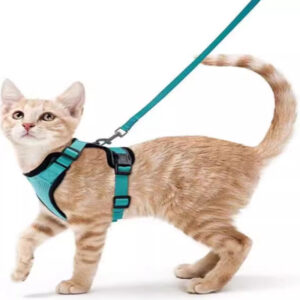
Are you tired of suppliers who offer low prices but deliver generic products and zero flexibility? You know there has to be a better way to source harnesses that actually grow your business.
The best dog harness manufacturer for a retailer is a partner who solves your specific pain points: they offer low MOQs, introduce trend-forward designs you don't have time to research, and provide OEM services1 to create unique products, all while maintaining competitive pricing for healthy profit margins.

Every supplier claims to have competitive prices, fast delivery, and good quality. After 11 years in this business, I can tell you those are just the table stakes. For a retailer like you, the "best" partner is one who understands the realities of your business model. You have limited shelf space, less capital for massive inventory buys, and fewer resources for in-house design. A truly great manufacturer doesn't just sell you what's in their catalog; they actively help you succeed despite those challenges.
Where Do Pet Stores Get Their Supplies?
Juggling distributors, wholesalers, and direct manufacturers is complex and confusing. Each option promises benefits, but they can come with hidden drawbacks that impact your profits and brand.
Pet stores source supplies from large distributors for variety, direct-from-brand wholesalers for recognized names, and specialized manufacturers for unique, private-label products2. For the best margins and differentiation, successful retailers partner directly with manufacturers like us to create products that nobody else has.
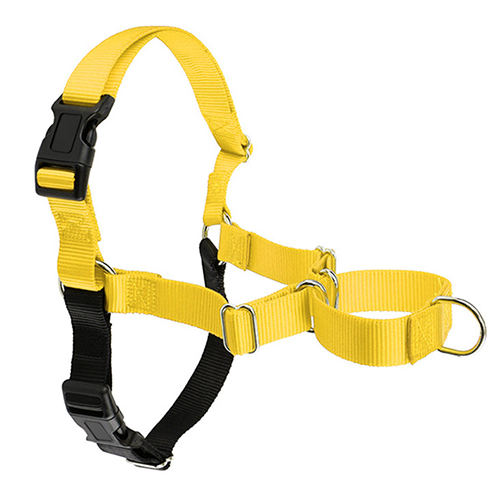
As a procurement manager, choosing your sourcing strategy is one of the most important decisions you'll make. Each path has its own set of advantages and disadvantages, and the right choice depends on your business goals. I've worked with partners who use all three methods, and the ones who thrive are those who build a strategic mix, with a strong emphasis on direct manufacturing for their core, high-margin products. Let's break down the options.
| Sourcing Channel | Pros | Cons |
|---|---|---|
| Large Distributors | One-stop-shop, consolidated shipping | Lower profit margins, generic products everyone else sells |
| Brand Wholesalers | High brand recognition, built-in marketing | Very high wholesale prices, thin margins, strict pricing rules |
| Direct Manufacturer | Highest profit margins, full customization (OEM), unique products, flexible MOQs | Requires building a relationship (but a good partner makes this easy) |
Ultimately, working directly with a manufacturer gives you the most control over your product, brand, and profitability.
How Do You Find a Manufacturer for Pet Products?
Searching online for a manufacturer feels like a huge gamble. You're scrolling through endless listings, but you have no real way of knowing which companies can be trusted with your brand's reputation.
You can find pet product manufacturers on B2B platforms, at industry trade shows, or through referrals. The most crucial step is the vetting process: always request samples, ask for third-party inspection reports, and discuss their experience with custom manufacturing (OEM) to ensure they are a legitimate partner.

Finding a partner is a discovery process, not just a Google search. The goal is to move beyond the online facade and verify their actual capabilities. After helping retailers worldwide build their brands, I've seen that a careful, multi-step approach is the only way to avoid costly mistakes.
The Vetting Process: From Search to Partnership
- The Search: Use online platforms like Alibaba for initial discovery, but be cautious. Attend major trade shows like Global Pet Expo or Interzoo; they are the best way to meet people face-to-face and see the product quality firsthand. Don't underestimate the power of asking for referrals from non-competing peers in the industry.
- The Initial Questions: Once you have a shortlist, reach out and ask the important questions. What are your MOQs? Can you provide examples of custom OEM projects you've completed? What are your standard lead times? Their answers will quickly tell you if they are set up to work with retailers.
- The Verification: This is where you separate the pros from the pretenders. Always request physical samples. You cannot judge quality from a photo. Ask for quality control documentation, like third-party inspection reports. At BoonPets, we offer these proactively because we stand by our quality. Finally, ask about their long-term partners. A manufacturer who builds lasting relationships is one you can trust.
What Are the Best Pet Brands?
Stocking the biggest pet brands seems like a safe bet, right? But then you see the invoice and realize their high wholesale prices leave you with almost no profit margin.
The "best brands" for a retailer aren't necessarily the ones with the most name recognition. The best brand for you is your own. Partnering with a manufacturer to create a private-label line gives you control over design, quality, and, most importantly, your profit margin.
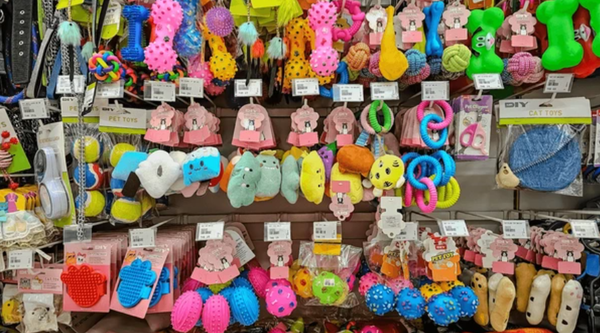
I have deep respect for the big, established pet brands. They have great marketing and strong consumer pull. However, their business model is not always aligned with the retailer's success. They set high wholesale prices, leaving you with razor-thin margins while you do all the work of selling the product. High retail prices can also slow down sales. The smartest retailers I work with use a hybrid strategy. They may stock a few big-name items to draw customers in, but their most profitable sections are dedicated to their own private-label products. This is where a manufacturer like BoonPets becomes a strategic partner. We offer the design innovation and quality of a major brand but at a price point that allows you to build a profitable private label. You get a unique product that customers can only buy from you, and you get to set a price that ensures a healthy profit.
Who Is the Target Market for Pet Products?
You're trying to choose products, but you're not sure who you're actually selling to. Are you targeting the budget-conscious buyer, the luxury seeker, or someone in between?
The core target market for most pet products, especially accessories like harnesses, is the "pet parent"—consumers who view their pets as family members. They are typically willing to spend more on products that ensure safety, comfort, and a touch of style for their beloved companions.

Understanding this "pet parent" mindset is everything. For over a decade, I've watched this market evolve. People are no longer just "pet owners"; they are emotionally invested in their animal's well-being and happiness. This directly influences their purchasing decisions. They read reviews, they look for high-quality materials, and they care about features like ergonomic design and safety.
Segmenting the "Pet Parent" Market
While "pet parent" is the broad category, you can break it down further to refine your product selection:
- The Practical Optimizer: This customer wants a durable, functional, and safe product at a fair price. They value quality and reliability above all else.
- The Trend-Driven Stylist: This customer is looking for unique designs, new colors, and accessories that match their personal aesthetic. They see their pet's gear as a fashion statement.
- The Health-Conscious Guardian: This customer is focused on wellness. They want harnesses recommended by vets, activity trackers, and products made from non-toxic materials.
The best manufacturing partner helps you cater to all these segments by offering a range of innovative, high-quality, and customizable products.
Conclusion
The best dog harness manufacturer for your retail business is a partner who understands your challenges. They provide the flexibility of low MOQs, the innovation of trend-forward designs, and the profitability of private-label manufacturing, empowering you to build a unique brand and maximize your success.