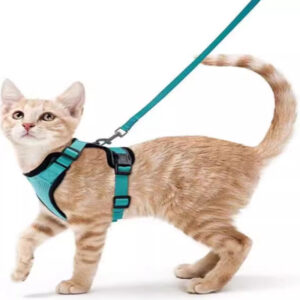
Your inventory is full of generic collars that look just like your competitors'. You are forced to compete on price, which shrinks your margins and makes your brand completely forgettable.
The most valuable customization is adapting products to your specific market. This means choosing locally popular colors, designing gear for specific dog breeds1, and creating specialized equipment for niche customer segments like professional groomers2. It's about solving a local problem, not just importing a generic solution.
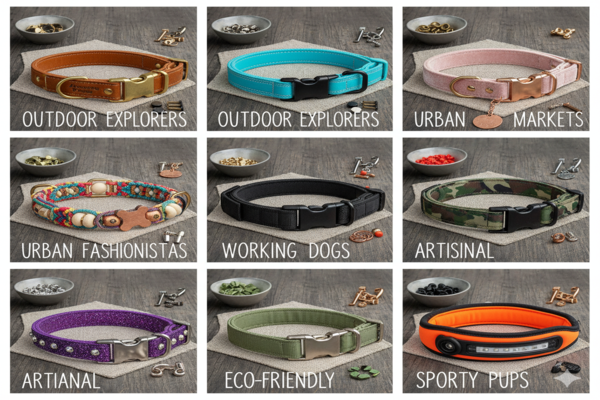
I see so many buyers order directly from a supplier's standard catalog. They pick what looks good to them, but they forget that the products in that catalog were designed to appeal to dozens of different countries. What sells in Japan might sit on the shelves in Germany. The real value, the kind that builds a brand and creates loyal customers, comes from looking at your own market and asking, "What problem can I solve?" True customization isn't just about adding your logo; it's about creating the perfect product for your customer.
What are the key color preferences in major pet markets?
You invested heavily in a trendy new color, but it's not selling. Now you're stuck with dead stock while your competitors are selling out of the basics.
Focus your inventory on the core colors that are proven sellers in your region. While global staples like red, blue, and black are safe, tailoring your color palette to local tastes—whether earthy tones3 or bright neons—is a simple customization that dramatically improves sales velocity.
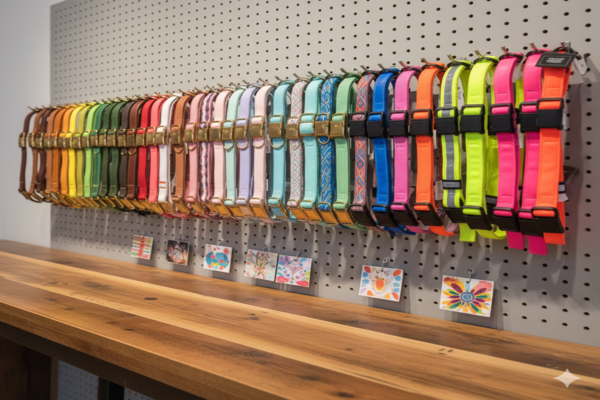
Color seems like a simple choice, but it's one of the most powerful ways to connect with your local market. Over the years, I've noticed distinct patterns. For example, some of my partners in Scandinavian countries sell a huge volume of collars in muted, earthy tones—grays, olives, and deep blues. Meanwhile, partners in sunnier climates might find that bright, vibrant colors like turquoise and orange fly off the shelves. The key is to not treat color as an afterthought. It's a strategic decision. A good supplier should be able to match specific Pantone codes, allowing you to create a color story that is unique to your brand and perfectly aligned with what your local customers want to buy.
Balancing Core Staples with Regional Flair
Your inventory should have a foundation of universally popular colors, which provide stable, predictable sales. Then, you can layer on smaller quantities of colors tailored to your specific market.
| Color Category | Examples | Inventory Strategy | Purpose |
|---|---|---|---|
| Core Staples | Black, Red, Royal Blue | 60-70% of your stock. Order in large volumes. | Your reliable best-sellers that cover the basics. |
| Secondary Pop | Pink, Purple, Light Blue, Orange | 20-30% of your stock. Order in moderate volumes. | Popular choices that add variety to the range. |
| Regional/Trendy | Olive Green, Mustard, Teal, Neons | ~10% of your stock. Order in small test batches. | Capture local tastes and create seasonal excitement. |
This tiered approach ensures you always have what customers need while still offering unique options that make your brand stand out.
How can you customize collars effectively for unique dog breeds?
Your standard collars don't fit breeds like Greyhounds. The owners go to a specialty store, and you lose a valuable, dedicated customer segment for good.
Create products specifically for them. For sighthounds like Greyhounds and Whippets, this means developing wide martingale collars4. For short-nosed breeds like Pugs, it means focusing on comfortable harnesses. This targeted customization transforms you from a generalist into a specialist.
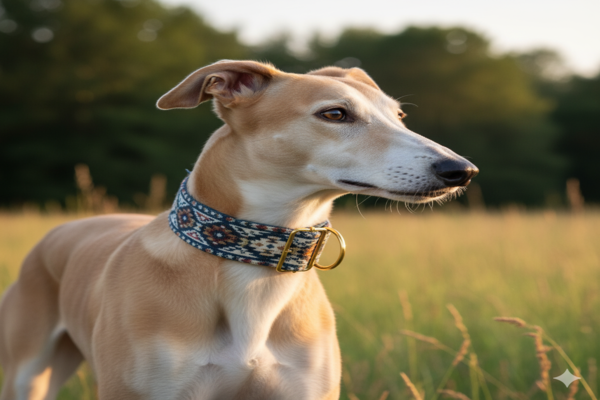
The "one-size-fits-all" approach simply does not work for all dogs. Breeds with unique body shapes are often ignored by mass-market brands, which creates a huge opportunity for you. I once worked with a partner who was located near a popular dog racing track that had a large community of retired Greyhounds. Standard collars were useless and even dangerous for these dogs because their necks are wider than their heads. We worked together to design a line of wide, soft martingale collars. They became his store's signature product. He wasn't just selling a collar; he was providing a perfect solution for a passionate community. He built his reputation by solving a problem that the big brands had ignored.
Key Features for Breed-Specific Gear
- Sighthounds (Greyhounds, Whippets): They need wide collars (at least 1.5-2 inches) to distribute pressure on their delicate necks. A martingale design is essential to prevent the collar from slipping off without choking the dog.
- Brachycephalic Breeds (Pugs, French Bulldogs): These dogs have breathing difficulties, so collars can be dangerous. The customization here is to not sell them a collar at all, but to design a specialized harness (like a Y-shape) that avoids putting any pressure on their neck.
- Giant Breeds (Great Danes, Mastiffs): They require oversized, heavy-duty hardware and extra-durable webbing. Standard buckles and D-rings can fail under their strength.
What specialized gear do professional groomers require?
You are trying to sell your standard retail collars to professional groomers. They are not interested because your products don't meet their unique, high-volume needs.
Professional groomers need durable, simple, and highly functional tools, not fancy retail products. Customizing items like adjustable grooming loops, waterproof grooming leashes, and color-coded slip leads for different sized dogs opens up a valuable B2B market.
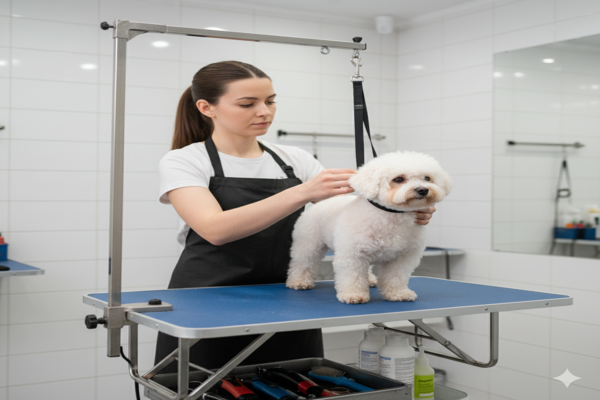
Selling to professionals is a completely different game than selling to pet owners. Groomers, trainers, and kennels are not looking for stylish designs; they are looking for workhorses. Their gear is used on dozens of dogs every single day, so it needs to be incredibly durable, easy to clean, and efficient to use. For example, a groomer doesn't have time to fiddle with a standard buckle collar for every dog. They need a simple slip lead or a grooming noose that is quick to put on and take off. We've worked with distributors who target this market to create products with specific features like waterproof biothane material that doesn't absorb water or odors, and heavy-duty metal hardware that can withstand constant use. By understanding the professional's workflow, you can customize products that become essential tools for their business.
How does customization impact your profit margins?
You're hesitant to invest in customization, worrying it will just add costs. You stick with generic products, forcing you to compete in a race-to-the-bottom on price.
Smart customization allows you to escape price wars and build brand value5. By creating a product that perfectly solves a specific problem, you create your own market. This allows you to command a premium price, leading to significantly higher profit margins.
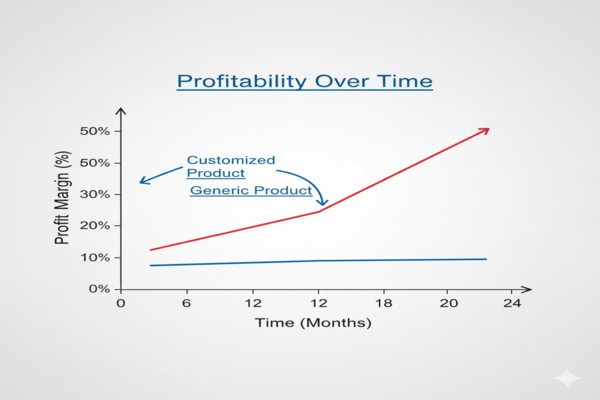
The relationship between customization and profit is direct and powerful. When you sell a generic product, your only lever is price. When you sell a customized solution, your lever is value. Think about the wide martingale collar for Greyhounds. The owner of that dog isn't looking for the cheapest collar; they are looking for the right collar. They are willing to pay more for a product that is safer and more comfortable for their pet. Your cost to add a few inches of width to the webbing is minimal, but the perceived value to the customer is massive. This is where you make your margin. Every time you solve a niche problem, you move away from being a commodity reseller and become a trusted brand. This is the path to long-term profitability.
Conclusion
Stop thinking of customization as just adding a logo. True value lies in deeply understanding your specific market and creating products that perfectly meet its needs. By tailoring colors, designing for unique breeds, and serving professional niches, you can build a stronger brand, escape price competition, and achieve higher profit margins.
Footnote:
Learn how tailoring products for dog breeds can create loyal customers and increase sales. ↩
Find out what products groomers require to enhance their efficiency and service quality. ↩
Explore the appeal of earthy tones and how they can resonate with specific markets. ↩
Learn about the advantages of martingale collars for breeds with unique neck shapes. ↩
Discover effective strategies to build brand value through customization and quality. ↩