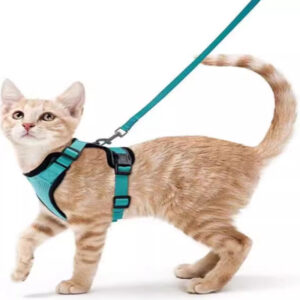
Feeling overwhelmed by the sheer number of dog harnesses on the market? Choosing the wrong one can not only make walks a nightmare but can also be uncomfortable or even unsafe for your dog.
The main types of harnesses are categorized by their D-ring placement: back-clip harness1es for casual walks and front-clip (or no-pull) harnesses for training dogs that pull. The best choice depends entirely on your dog's behavior, size, and your specific needs.
As the founder of BoonPets, I’ve dedicated over a decade to manufacturing pet walking gear. I’ve seen every design imaginable, and I can tell you that the "best" harness is rarely about a fancy brand name. It's about function, fit, and understanding the core purpose of the design. A great harness can transform your walks from a stressful battle into a pleasant bonding experience. Let’s break down the options so you can make the right choice for you and your dog.
What Kind of Harness Is Best for a Dog That Pulls?
Is your arm sore after every walk? The constant pulling is frustrating, ruins the joy of being outdoors, and can feel like a battle of wills you are constantly losing.
A front-clip harness2, often called a "no-pull" harness, is the best choice for a dog that pulls. The leash attaches to a D-ring on the dog's chest, which gently redirects their forward momentum3 back toward you whenever they pull, discouraging the behavior without choking or causing pain.
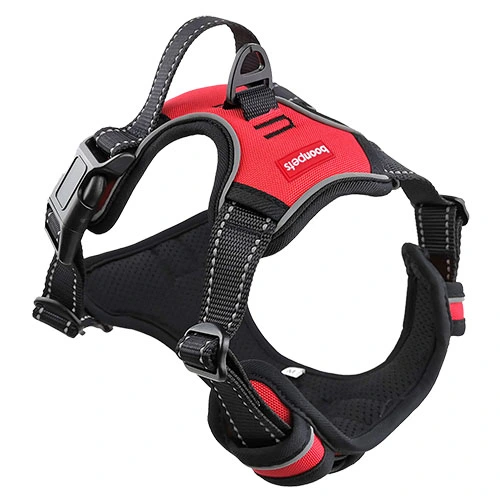
This is one of the most common problems our retail partners ask us to solve. The science behind the front-clip harness is simple but brilliant. When the dog surges forward, the leash tightens from the front, turning their body sideways to face you. This breaks their forward momentum and focus. In contrast, a traditional back-clip harness can actually encourage pulling due to a dog's natural "opposition reflex," where they instinctively pull against pressure—much like sled dogs do. That's why many harnesses now come with two D-rings: a front one for training and a back one for when the dog has learned to walk politely. The #1 trick isn't magic; it's using the right tool consistently.
| Feature Comparison | Front-Clip Harness | Back-Clip Harness |
|---|---|---|
| Leash Attachment | Chest (Front) | Between the Shoulders (Back) |
| Primary Use | Training, Discouraging Pulling | Casual Walks, Trained Dogs |
| How It Works | Redirects forward momentum | Allows dog to pull with full force |
| Best For | Strong pullers, dogs in training | Calm walkers, small dogs |
What Shape of Harness Is Best for a Dog?
You see Y-shapes, H-shapes, vests... do these shapes even matter? Choosing the wrong one can restrict your dog's natural movement, leading to chafing, discomfort, and even long-term gait problems.
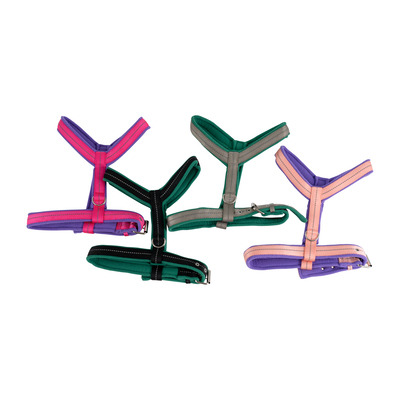
The Y-shaped harness4 is widely considered the best and most ergonomic shape for a dog. This design sits on the dog's breastbone and clears the shoulders, allowing for full, unrestricted range of motion. Vets and canine physiotherapist5s often recommend it to prevent shoulder injuries.
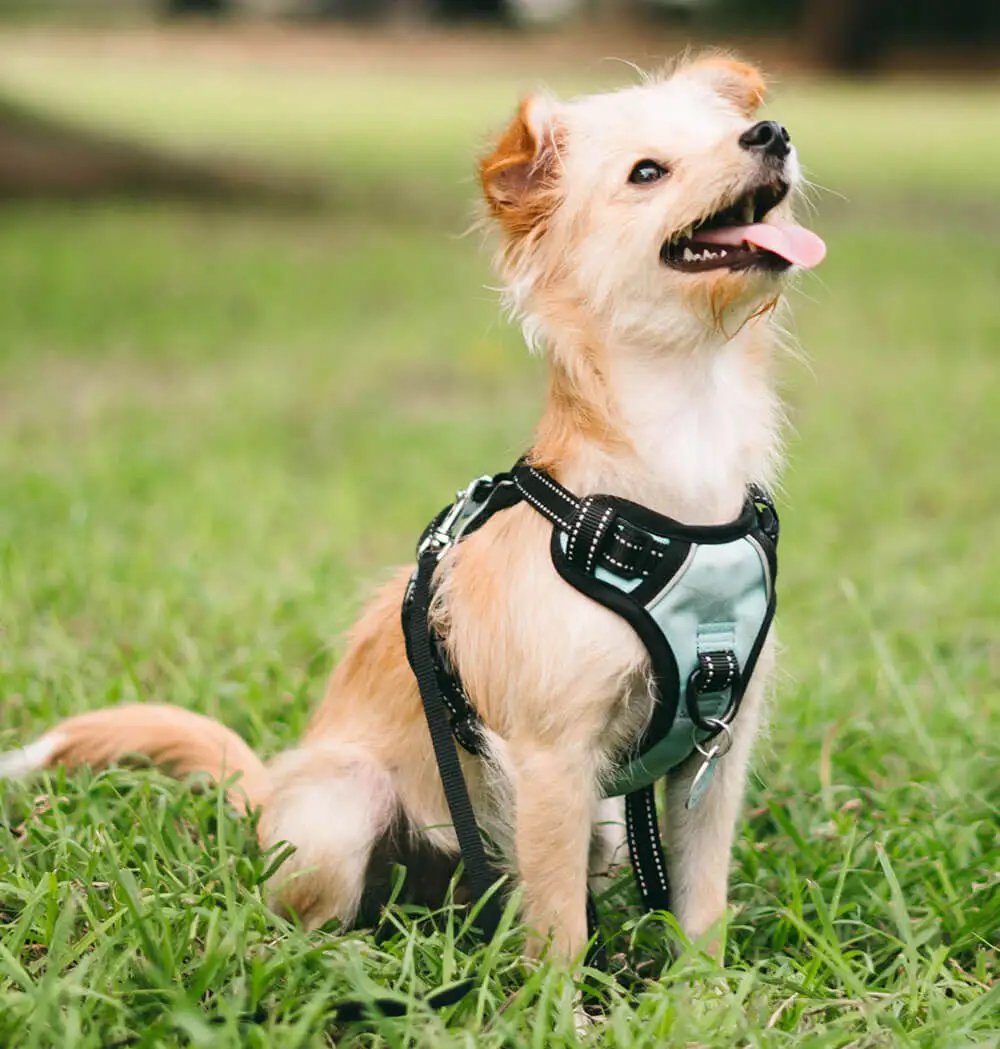
When we design harnesses at BoonPets, ergonomics6 is our top priority. A dog's shoulder joint is a complex and vital structure, and a poorly designed harness can cause serious issues over time. A Y-shaped harness avoids putting direct pressure on the sensitive shoulder points. The straps form a "Y" over the chest, distributing pressure evenly across the sternum. An H-shaped harness7, a common webbing style, can also be effective if it fits perfectly, but it has a higher risk of sitting too close to the armpits or across the shoulder blades if not adjusted correctly. Vest-style harnesses are great for distributing pressure and providing comfort for smaller dogs, but they may be too warm for dogs in hotter climates or during vigorous exercise. For most dogs, the Y-shape offers the best combination of safety, comfort, and freedom of movement.
How Do I Know What Harness to Get for My Dog?
You understand the different types and shapes, but you're still standing in the store aisle, feeling uncertain. How do you pull all this information together to make the final, correct choice for your unique dog?
To choose the right harness, consider your primary purpose first (training vs. casual walks), then select the best shape for your dog's build (Y-shape is a safe bet). Finally, ensure a proper fit: you should be able to snugly fit two fingers under any strap.
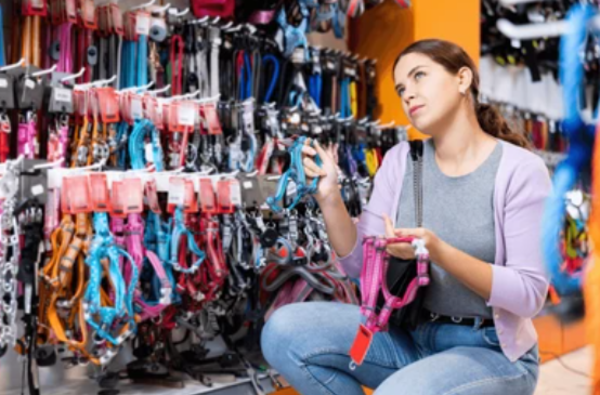
Making the final decision comes down to a simple, three-step process. First, be honest about your goal. Is your biggest problem pulling? Start with a front-clip harness. Is your dog a calm walker who just needs a comfortable harness for daily strolls? A back-clip will be fine. Second, assess your dog’s body shape and activity level. For active dogs or those with deep chests, a Y-shape is almost always the superior choice for freedom of movement. Third, and most critically, is the fit. I cannot stress this enough. A harness that is too loose can lead to your dog slipping out, while one that is too tight will chafe and cause pain. Always measure your dog and check the manufacturer's sizing chart. A well-fitted harness is the final piece of the puzzle that ensures both safety and comfort on your walks.
Conclusion
Choosing the right dog harness means matching its function and shape to your dog's specific needs. Prioritize a no-pull design for training and a Y-shape for ergonomic comfort to transform your walks.
Find out when a back-clip harness is appropriate and how it differs from other types. ↩
Learn how a front-clip harness can effectively reduce pulling and improve your walking experience. ↩
Understanding momentum is key to effective dog training; this resource will deepen your knowledge and improve your walks. ↩
Discover the benefits of Y-shaped harnesses and why they are favored by veterinarians. ↩
Explore insights from physiotherapists on how to choose the right harness for your dog's comfort and health. ↩
Discover how ergonomic designs can enhance your dog's comfort and mobility. ↩
Learn about the features of H-shaped harnesses and their suitability for different dog breeds. ↩