I’ve spent the last 12 years in the trenches of the pet industry. I’ve seen brands rise to the top and I’ve seen others vanish because they couldn't keep up with quality. If you are a procurement manager or a business owner, you know that "best" doesn't just mean a famous logo. It means a product that doesn't break, a supplier that doesn't disappear, and a margin that keeps your business healthy.
In this guide, I will break down the landscape of the pet supply market. I will show you which brands lead the way and how you can identify the high-performance gear that actually sells. My goal is to give you the framework I use at Boonpets to evaluate what makes a product worth your investment.
1. Top Global Pet Supply Brands: Market Leaders and Retail Giants
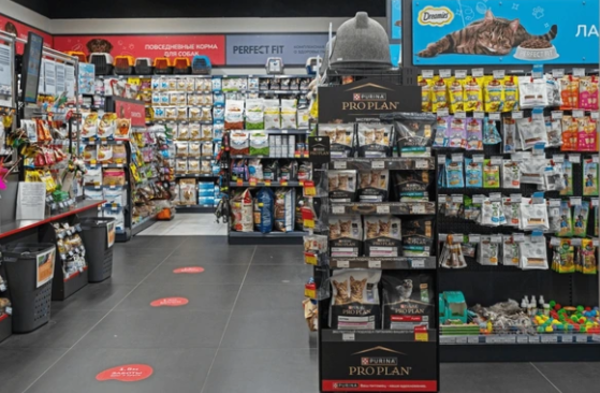
When we talk about the "best" brands from a pure volume perspective, names like Trixie, Kong, and Hunter dominate the European and North American markets. These companies are the giants. They have massive catalogs and even more massive marketing budgets. For a distributor like Alex, these brands provide safety. Customers recognize them instantly.
But being a giant comes with a cost. I often hear from partners that these big brands have rigid requirements. They demand high minimum orders. They offer very little room for customization. If you want to put your own logo on a leash or change a buckle to a more ergonomic design, these giants will usually say no. They sell what they have, not what you need.
From a procurement standpoint, these brands are great for filling shelves with "predictable" items. However, they rarely offer the high-profit differentiation that helps a mid-sized retailer stand out against Amazon. They focus on mass appeal. This means the materials are often standard nylon or basic plastics. They are reliable, yes, but they aren't always "premium."
2. Best Specialized Brands for Professional Pet Care Businesses and Grooming Services
If you move away from the big retail shelves, you find the professional world. Groomers, trainers, and high-end boarding facilities don't buy the same gear as a casual pet owner. They need tools that can handle 40 dogs a day without failing. Brands like Wahl for clippers or high-tensile strength training leads1 are the gold standard here.
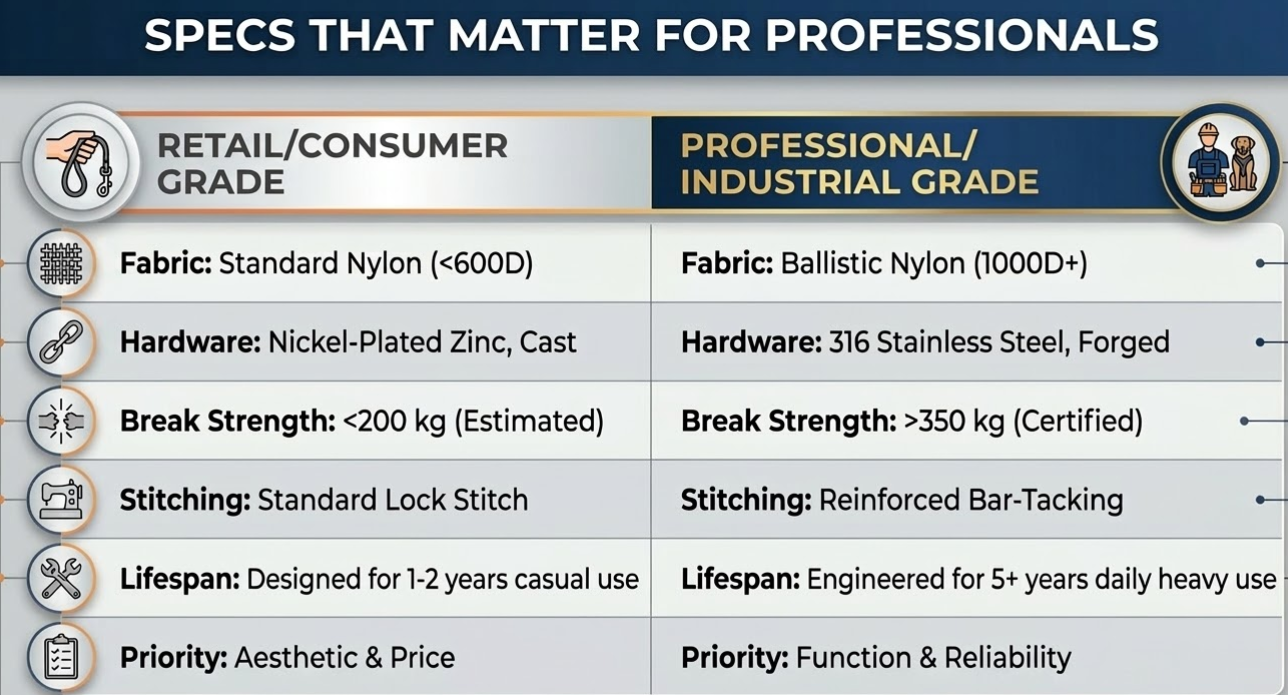
I remember a specific case with a client in the [Professional Training Industry]. They were using standard retail-grade leashes for their large-breed training classes. The clips were snapping under high tension. It wasn't just a quality issue; it was a safety liability. They came to us because they needed hardware that exceeded the standard 200kg break strength.
In the professional sector, the "best" brand is defined by technical specs. You should look for brands that specify the grade of their stainless steel or the denier of their fabric. Professional buyers prioritize function over fashion. If a grooming table doesn't have a hydraulic lift that lasts five years, it's a bad investment regardless of the brand name.
3. High-Performance Pet Gear: Evaluating Quality and Durability in Harnesses and Leashes
Dive Deeper: The Mechanics of Durability
When I walk my factory floor at Boonpets, I don't just look at the finished product. I look at the stitching. Most people think a leash is just a piece of fabric. In reality, the "best" high-performance gear relies on the density of the weave and the type of thread used. For example, we use specialized bartack stitching—a tight, zig-zag pattern—at every pressure point. This is the same technique used in mountain climbing gear. Many mass-market brands use a simple straight stitch because it is faster and cheaper. But a straight stitch can unravel if one thread catches on a thorn or a dog’s tooth.
We recently tested our polyester webbing against standard nylon. While nylon is common, it stretches when wet and loses about 10% of its strength. High-performance brands are moving toward coated webbing or high-density polyester2 because these materials stay light and strong in the rain. For an importer, this is a massive selling point. You aren't just selling a "pretty leash." You are selling a safety tool that performs in the mud, the rain, and the snow. We once had a batch of hardware from a new vendor that looked perfect. During our salt-spray test—where we blast metal with salt water to simulate ocean air—the "stainless" steel rusted in 24 hours. I rejected the entire shipment. That experience taught me that "best" is a status you earn through testing, not a label you print on a box.

4. How to Select the Best Pet Supply Brands for Large-Scale B2B Sourcing
Dive Deeper: The Hidden Risks of Sourcing
Selecting a brand for large-scale sourcing is a different game than buying one item. You have to look past the product and look at the factory's soul. I’ve seen buyers get seduced by a low price at a trade show, only to receive a shipping container full of "B-grade" leftovers six months later. To find the best partner, you must verify their Quality Management System (QMS). Does the factory have ISO 9001 certification3? Do they allow third-party inspections? At Boonpets, we welcome inspectors like SGS or Intertek. If a manufacturer hides their process, they are hiding a defect.
The biggest mistake I see procurement managers make is ignoring "Agility." A giant brand might have a great product, but if they take six months to restock your best-seller, your "out of stock" sign is costing you money. The best sourcing partners are those that offer a balance: high enough capacity to grow with you, but small enough to care about your specific custom needs. You need a vendor that acts as an extension of your team. This means they should provide you with high-resolution photos for your website, clear English manuals, and packaging that is ready for your shelf. When we work with distributors in Europe, we don't just ship boxes. We help them design the retail display. That is the difference between a vendor and a partner. If you are evaluating a new brand, ask them: "How did you handle a production error for a client last year?" Their answer will tell you more than any brochure ever could.
Check out our custom manufacturing process to see how we handle quality at scale.
5. Future Trends: Sustainable and Tech-Integrated Pet Brand Innovations
The "best" brands of 2026 are not the ones using the same plastics from 1990. The market is shifting toward two things: sustainability and smart tech.
I am seeing a huge demand for recycled materials. We are currently developing leashes made from recycled plastic bottles (RPET). Why? Because customers like Alex are being asked by their board of directors to meet "green" targets. If you are an importer, you need to look for brands that have GRS (Global Recycled Standard) certifications. This isn't just a trend; it's the new baseline for premium retail.
On the tech side, "smart" is no longer just for GPS collars. We are seeing innovation in materials that change color when a dog is overheating or harnesses with integrated LED fiber optics that don't need bulky battery packs. These innovations allow you to charge a higher price point because you are solving a real problem for the pet owner.
Conclusion
Finding the best pet supply brands requires looking beyond the surface. For the professional buyer, it is a mix of heritage giants for stability and agile manufacturers like Boonpets for innovation and margin. Focus on the technical specs, demand transparency in the supply chain, and always prioritize materials that can survive real-world use.
If you are currently evaluating your supply chain or need a partner who can help you build your own high-performance brand, I’d love to help. Contact our team at Boonpets to discuss your next project or request a sample of our latest gear.
Footnote:
Explore the best training leads available to ensure safety and effectiveness in training. ↩
Discover why high-density polyester is preferred for pet gear and how it enhances durability. ↩
This link will provide you with essential information on ISO 9001 certification and its significance in quality assurance. ↩