
Consumers buy stories about mountains and trails. Procurement managers need to buy supply chain reality.
When you look at a premium brand like Ruffwear, the marketing points directly to Bend, Oregon. It’s an authentic, compelling narrative of outdoor enthusiasts designing gear for rugged adventures. That branding justifies a premium price tag on retail shelves.
But if you run procurement for a mid-sized pet retail chain or distribution network, buying into the geographical marketing will destroy your margins. The garage-startup phase scales a brand’s identity. It does not scale their production.
In this guide, I’ll break down the exact logistics behind top-tier outdoor pet brands. More importantly, I will show you how to leverage advanced manufacturing networks1 to replicate that premium quality—without paying a massive markup for another company's logo.
Brand Headquarters vs. Supply Chain: Where is Ruffwear Actually Manufactured?
Design and manufacturing are two completely separate ecosystems.
High-end American brands maintain their edge by designing in-house while leaning heavily on advanced Asian OEM and ODM supply chains. This isn't a secret. It’s smart, efficient business. The specialized textile mills, advanced injection molding facilities, and precision hardware factories required to build performance dog gear at massive scale simply do not exist at cost-effective levels in North America.
To verify this, look at the import records. The vast majority of premium woven leashes, technical harnesses, and custom collars arrive via freight from Vietnam, Taiwan, and China.
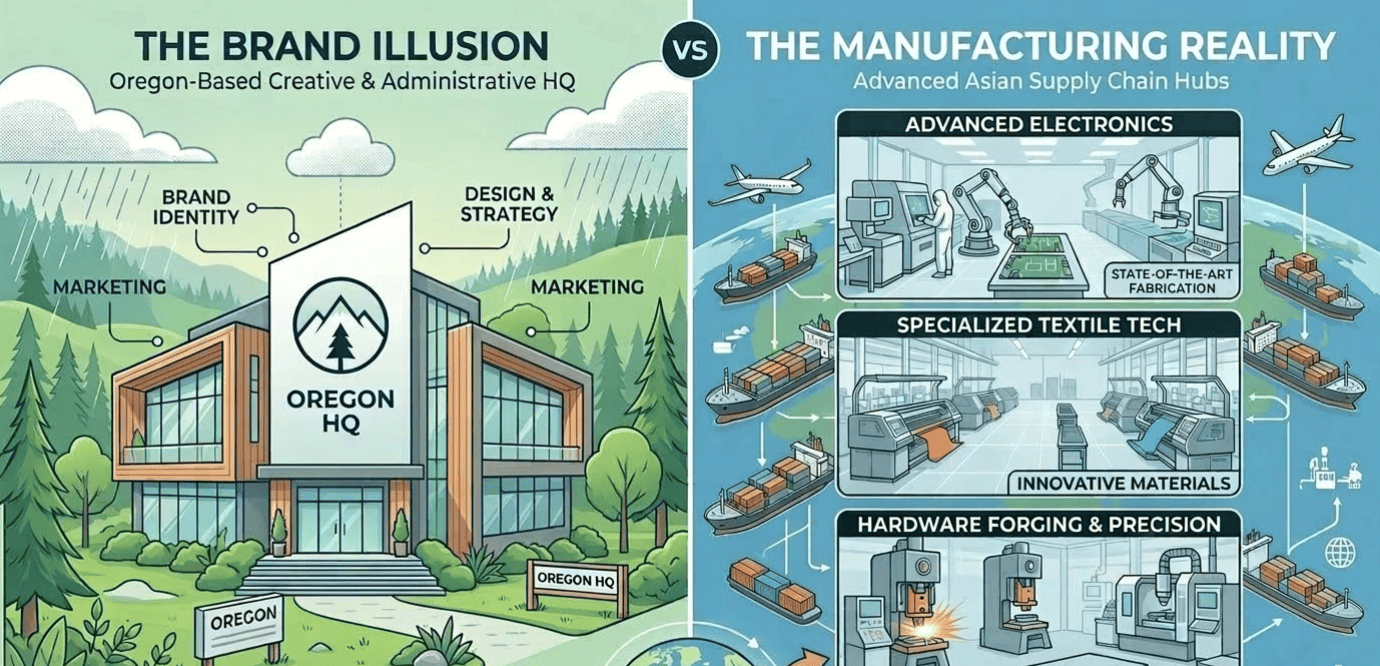
This geographical divide is exactly where your opportunity lies. The infrastructure that builds the world's best pet gear is accessible. You just need to know what to look for on the factory floor.
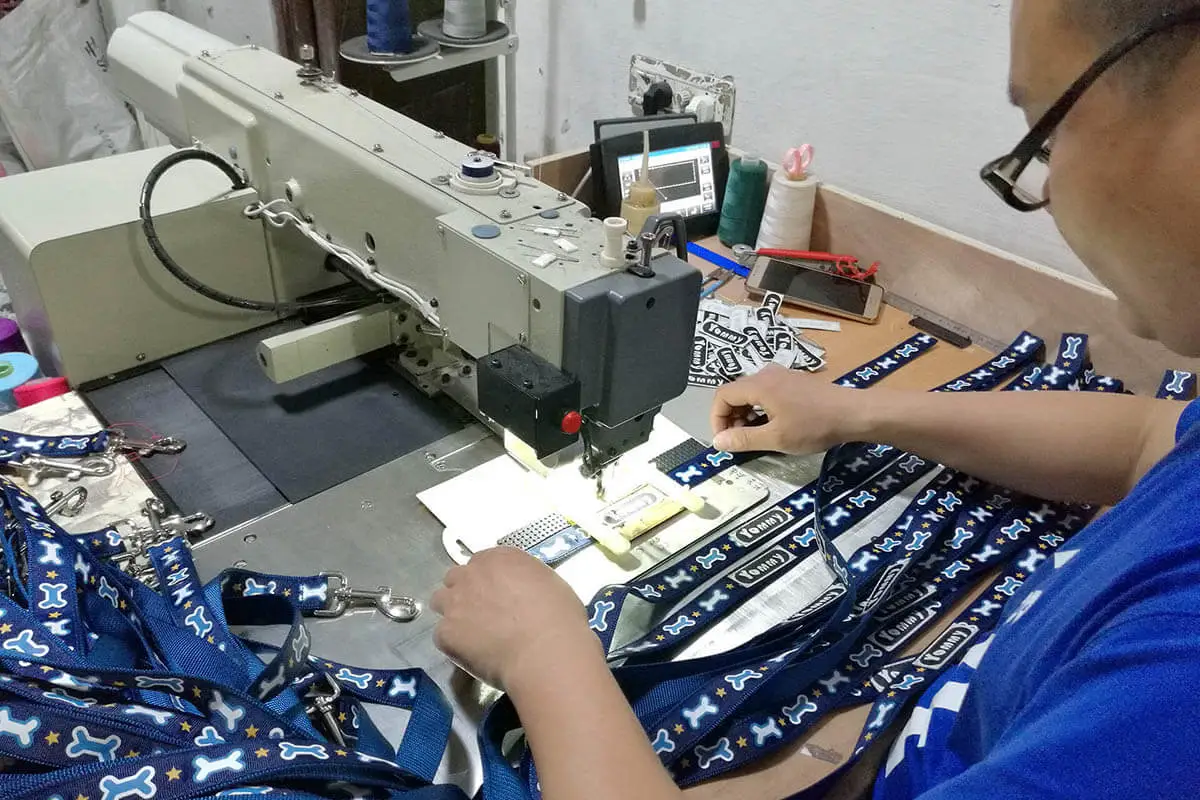
During a recent walk-through of our own lamination and weaving line, I was reminded of how hyper-specific premium manufacturing has become. A top-tier harness isn't just sewn together. It requires co-extrusion for waterproof sealing, precision-tensioned bartack stitching for load-bearing points, and UV-resistant thread.
When you bypass the distributor and partner directly with an advanced manufacturer, you access this exact technology. You get the quality. You keep the margin.

Ruffwear’s Transition from Domestic Market to Global Distribution
Scaling from a localized niche brand to a global powerhouse requires an operational shift. You cannot fulfill international demand through disjointed vendor relationships.
Brands that dominate global distribution do so by establishing locked-in relationships with strategic factory partners. They optimize for three metrics: defect rate, container density, and SKU agility2.
I’ve seen exactly what happens when local brands try to scale globally without the right factory backing. A mid-sized omnichannel retailer from Germany approached us two years ago. They had a great brand concept but were sourcing their premium dog harnesses from three different generic factories.
Their problem? Inconsistent color-matching, late shipments, and an exorbitant 15% return rate. Their customer trust was tanking.
We audited their specs and moved their entire proprietary line under our roof. We standardized their hardware using electrophoresis black finishes, applied our sub-1% defect rate quality control, and utilized our existing inventory of over 500 high-demand SKUs to drop their Minimum Order Quantities (MOQs).
Within four months, their return rate dropped to near zero. Their profit margins expanded because they stopped paying for heavy airfreight on emergency re-orders, and they finally had the agility to launch seasonal colors aligned with European design trends.
That is how a unified supply chain turns a domestic player into a global contender.
How B2B Pet Importers Can Source Premium Gear to Compete with Leading Brands
You don’t need a massive R&D budget in Bend, Oregon, to compete with the giants. You need a highly capable, communicative factory partner.
Over the last 11 years, I’ve learned that the difference between generic imports and world-class proprietary gear comes down to strict vendor criteria3. Here is the framework I advise any B2B buyer to use when vetting a manufacturing partner.
1. Demand Total Customization Control
Generic factories sell you what they have. Premium partners build what you need.
Early in my career, I learned a painful lesson about broad specifications. A client requested "black hardware" for a new line of leashes. We used a standard black coating from a secondary vendor. After a month of heavy pulling, the paint chipped. The client was furious, and rightfully so.
That mistake forced a permanent change in our operations. Today, we mandate precision-engineered finishes—specifically electrophoresis black and pearl nickel. They do not chip. They weather the elements. When you specify your order, mandate the exact chemical finish of the hardware, the denier of the nylon, and the specific laser engraving technique for your logo.
2. Mitigate Your Inventory Risk
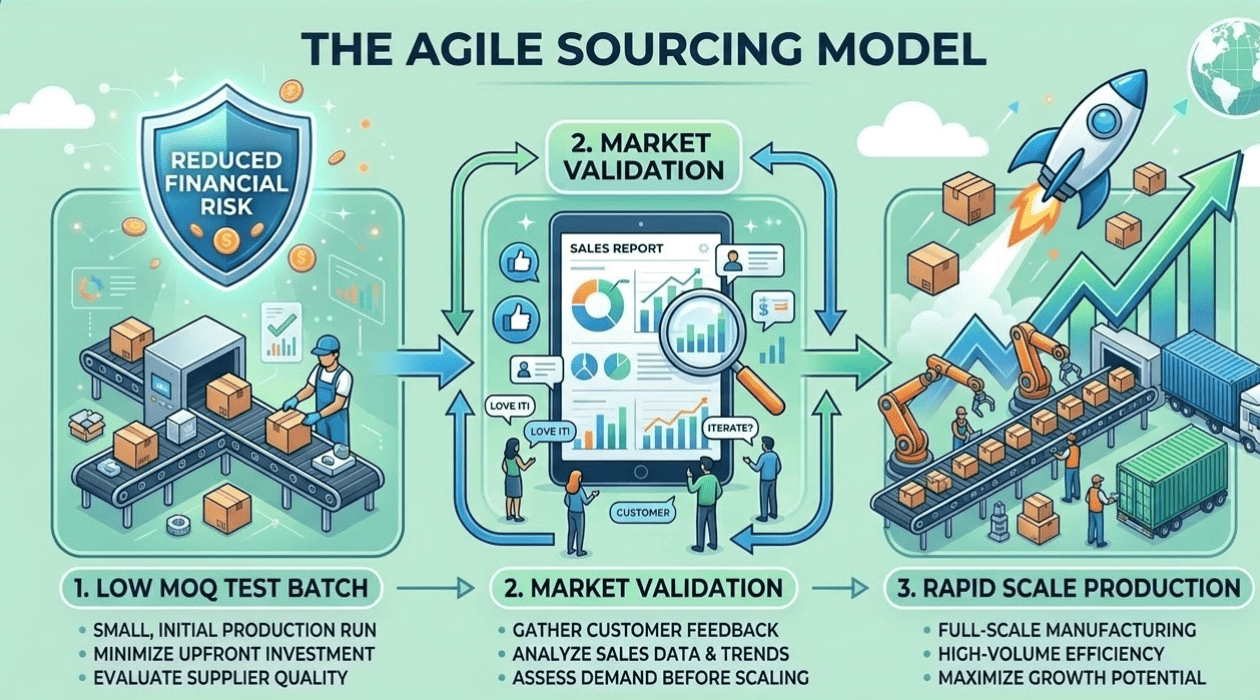
High MOQs kill cash flow. When you are testing a new proprietary design against a major brand, tying up hundreds of thousands of dollars in unproven inventory is a massive risk.
Partner with facilities that balance massive manufacturing scale with boutique-level flexibility. Look for suppliers who hold robust raw material inventories or stock high-demand SKUs ready for immediate branding. This allows you to place smaller initial orders, test market fit, and scale up instantly when a product hits.
3. Enforce Professional Accountability
A strong sample means nothing if the production run fails. You need a partner that allows you to sleep well at night.
Ask potential suppliers for their exact after-sales policy. Vague promises of "we fix next time" are unacceptable. Seek out partners who offer a written guarantee of immediate compensation or replacement for any product discrepancies. At BoonPets, our supply chain accountability is built on a targeted defect rate of under 1% and a guaranteed 8-hour inquiry response time. If we mess up, we eat the cost. Period.
When you secure a partner with extreme accountability, the geographic location of your corporate office ceases to matter. You own the product quality, you own the proprietary design, and you own the market share.
The secret to competing with brands like Ruffwear isn't mimicking their marketing footprint. It is outsmarting their supply chain. Stop paying a premium for another company's story. Use advanced manufacturing to write your own. If you are evaluating suppliers for your next quarter and want to see how deep customization can set your brand apart, I’d be happy to share more insights—just reach out.
Footnote: