Struggling to choose which leashes to stock for your customers? Stocking the wrong ones can hurt your sales and brand reputation. I’ll share what trainers actually recommend, giving you an expert-approved edge.
Most professional dog trainers recommend a standard, fixed-length leash, typically 4 to 6 feet long. This simple design provides the best combination of reliable control for the handler and safe freedom for the dog, making it the undisputed top choice for foundational training and daily walks.

It sounds simple, right? Just a standard leash. But as a manufacturer, I've learned that the "why" behind this choice is where the real business opportunity lies for retailers and distributors like you. Knowing what trainers prefer is one thing. Understanding how to turn that preference into a best-selling product line is another. Let's explore the details that separate a good leash from a great one in a trainer's eyes.
Beyond the Basics: What one leash type do most trainers unanimously prefer?
Your shelves are full of options, but which one builds genuine trust with educated consumers? Selling ineffective gear erodes that trust. The answer lies in the classic, non-retractable leash1.
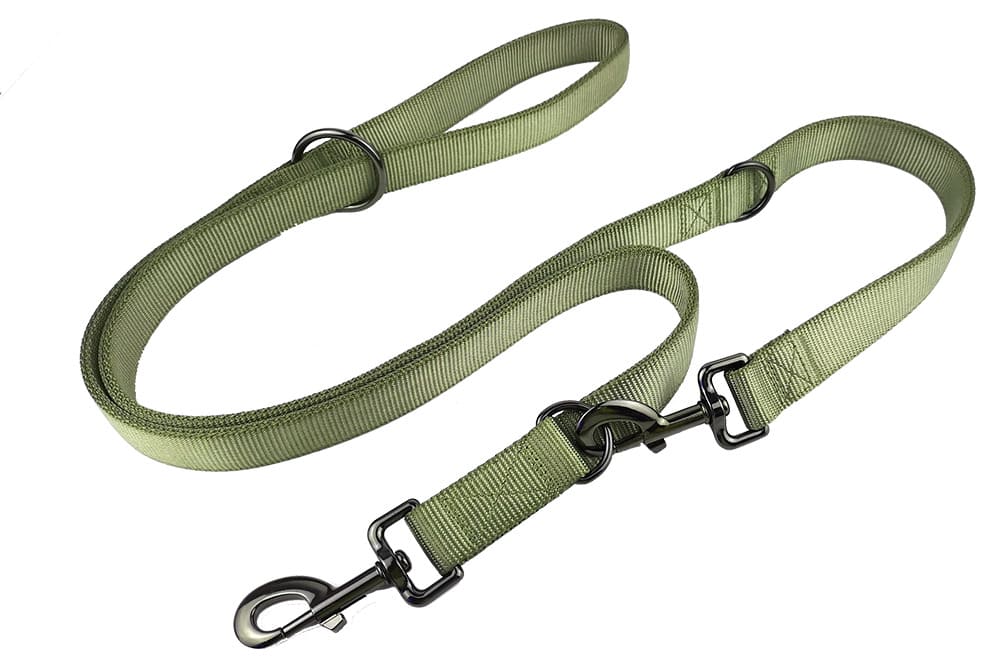
While variations exist, trainers consistently choose a standard, fixed-length leash. Typically between 4 to 6 feet (about 1.2 to 1.8 meters), this leash offers predictable control and clear communication between the dog and handler, forming the foundation of effective, safe training for any breed.
The Power of Simplicity
The preference for a standard, fixed-length leash isn't about being old-fashioned; it's rooted in the principles of clear and consistent communication with the dog. I remember talking with a distributor in Germany who was surprised we focused so much on perfecting our standard leashes. He thought the market wanted gadgets. But trainers, and the customers who listen to them, want reliability. A fixed-length leash has no moving parts to fail and no variable length to cause confusion. When the leash is tight, the dog feels it instantly. When it's loose, the reward is just as immediate. This consistency is crucial for building good walking habits and establishing a safe boundary. For you as a retailer, stocking high-quality standard leashes is not just stocking a basic product. It's providing the single most important tool recommended by the professionals your customers trust, making it a cornerstone of any serious pet accessory lineup.
A Trainer's Toolkit: How do you match leashes to training goals and dog temperaments?
Choosing the right leash feels complex for your customers. You risk losing sales if your inventory doesn't cater to specific training needs. Let's break down which leashes match specific goals.
The right leash is a specific tool for a specific job. A 6-foot standard leash is for daily walks and obedience. A longer 15-30 foot line is for recall training. And hands-free leashes2 are for running or specific service tasks. Stocking these options makes you a problem-solver.
Building a Purpose-Driven Leash Collection
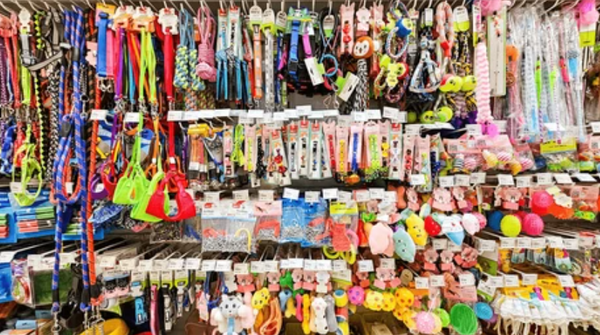
As a manufacturer, we don't just create leashes; we create solutions. We've worked with countless distributors to curate collections that address real-world training scenarios. Your customer isn't just buying a leash; they're buying a tool to solve a problem—whether it's pulling, recall, or simply a more comfortable walk. Offering a well-organized selection turns your store from a simple retailer into a trusted resource. It shows you understand that a leash for a shy puppy is different from one needed for a high-energy adult dog learning boundaries. It’s this level of insight that helps our partners stand out. Below is a simple guide you can use to structure your inventory and educate your staff and customers.
| Leash Type | Best For | Dog Temperament | Key Benefit |
|---|---|---|---|
| Standard Leash (4-6 ft) | Daily Walks, Obedience Training | All temperaments | Best control & communication |
| Long Line (15-50 ft) | Recall Training, Scent Work | Independent or distracted dogs | Safe freedom in open spaces |
| Hands-Free Leash | Running, Hiking, Service Dogs | Well-trained, active dogs | Frees up handler's hands |
| Traffic Leash (1-2 ft) | Crowded Areas, Vet Visits | Large or excitable dogs | Maximum close control |
The "Why" Behind the Recommendation: How does leash choice connect to training philosophy?
Your customers hear conflicting advice about training methods. Stocking products that don't align with modern, positive methods can make your brand seem outdated. Let's connect leash choice to training philosophy.
Most modern trainers use Positive Reinforcement Training (R+)3. This method relies on clear communication, and a standard leash is perfect for it. It allows for a loose-leash cue, rewarding the dog for staying close, without using force or intimidation. It's a tool for teaching, not just restraining.

Diving Deeper: A Tool for Teaching, Not Punishing
When I started Boonpets, I spoke with trainers who were moving away from old-school, correction-based methods. They explained that tools like choke chains or prong collars work by causing discomfort. In contrast, positive reinforcement focuses on rewarding good behavior. A standard leash is the perfect partner for this philosophy. When a dog walks nicely, the leash is loose and comfortable—that's the reward. If the dog pulls, the walk stops, or the handler changes direction, using the leash as a gentle guide, not a tool for yanking. The leash becomes a communicator. For your business, this is a powerful story. By championing standard leashes made with quality materials, you are aligning your brand with a modern, humane, and effective training philosophy that resonates with today's pet owners. You aren't just selling a strap; you're promoting a better relationship between people and their pets.
Leashes Trainers Warn Against: What are the risks to control and safety?
Some leashes are popular but pose hidden dangers. Stocking them can lead to customer complaints and associate your brand with unsafe products. You need to know what professionals actively avoid.
Trainers overwhelmingly warn against retractable leashes. They offer poor control, can snap under pressure, and teach dogs to pull by constantly applying tension. They also pose a serious risk of injury to both the dog and the handler, from burns to entanglements.
Diving Deeper: Understanding the Mechanical and Behavioral Failures
The issues with retractable leashes are twofold: mechanical and behavioral. Mechanically, the thin cord can break easily, especially with a sudden lunge from a large dog. I’ve heard horror stories from partners about customer returns due to snapped cords and failed locking mechanisms. The handle can also be dropped, causing a loud, terrifying object to "chase" the dog, potentially creating a lifelong fear. Behaviorally, these leashes are even worse. They exist in a state of constant tension, which teaches the dog that pulling is how they move forward. This is the exact opposite of what good loose-leash walking aims to achieve. Furthermore, the long, unpredictable length gives handlers very little time to react to dangers like traffic or other animals. As a procurement manager, choosing not to heavily promote these leashes, and instead educating customers on the benefits of fixed-length alternatives, positions your brand as one that prioritizes safety and effective training over fads.
From "Trainer-Approved" to Market-Ready: How can this become a powerful USP for your brand?
The market is crowded with generic pet products. You need a unique selling proposition (USP) that makes your brand the obvious choice. How can "trainer-approved" help you achieve this?
By curating and marketing your leash selection as "Trainer-Approved," you build instant credibility. This USP tells customers you've done the research for them, offering products that are not just stylish but also safe and effective. It positions your brand as an expert guide in a confusing market.
Diving Deeper: From a Concept to a Sales Strategy
Turning "Trainer-Approved" into a core part of your brand identity involves more than just a label. It's about a commitment to quality and education that we, as your manufacturing partner, can help you fulfill. Imagine creating in-store signage or online content that explains why a 6-foot nylon leash is a trainer's top pick. We can provide the talking points and even co-brand materials. You can bundle these leashes with high-quality harnesses and collars, creating a "Trainer's Starter Kit." This strategy shifts the conversation from price to value. Your customer isn't just buying an object; they are investing in a successful training outcome. A few years ago, we worked with a distributor in North America to launch this exact concept. They saw a 30% increase in their leash category sales within six months, simply by re-framing their existing high-quality products with this powerful, trust-building narrative.
Beyond Type: What material and hardware specifications earn a trainer's trust?
Two leashes can look the same, but one fails while the other lasts for years. Stocking low-quality items destroys customer trust. You need to know the details that matter to professionals.
Trainers prioritize durability and reliability. They look for tightly woven nylon or leather that won't fray or stretch. Most importantly, they inspect the hardware: a solid, swiveling bolt snap or trigger clasp made from brass or stainless steel that won't rust, freeze, or break under pressure.
Diving Deeper: The Anatomy of a Trustworthy Leash
During our quality control process, the hardware is where we focus immense attention. A leash is only as strong as its weakest link, and that is almost always the clip. A cheap clasp made from a zinc alloy can look shiny in the store but snap during a cold winter walk. That's a risk no trainer or responsible owner will take twice. That's why we use high-grade brass or stainless steel. These materials resist corrosion and maintain their integrity in extreme temperatures. For the leash material itself, the weave is critical. A high-density nylon webbing provides superior strength and abrasion resistance compared to a loose weave that can snag and fray. The stitching that connects the clip and handle loop is another failure point. We use reinforced box stitching—the same kind used in climbing gear—to ensure that connection is bomb-proof. When you explain these details to customers, you justify the premium quality and build unshakable brand loyalty.
Partnering for Success: How can manufacturing choices support trainer recommendations?
You need a supplier who is more than just an order-taker. A supplier who doesn't understand the market can't help you grow. How can your manufacturing partner become a strategic asset?
Choose a manufacturer that obsesses over the same details as trainers. A partner who prioritizes reinforced stitching, uses solid brass hardware, and offers customization for things like length or adding an O-ring for accessories. This ensures the products you sell live up to the "trainer-approved" promise.
Diving Deeper: Building a Better Leash, Together
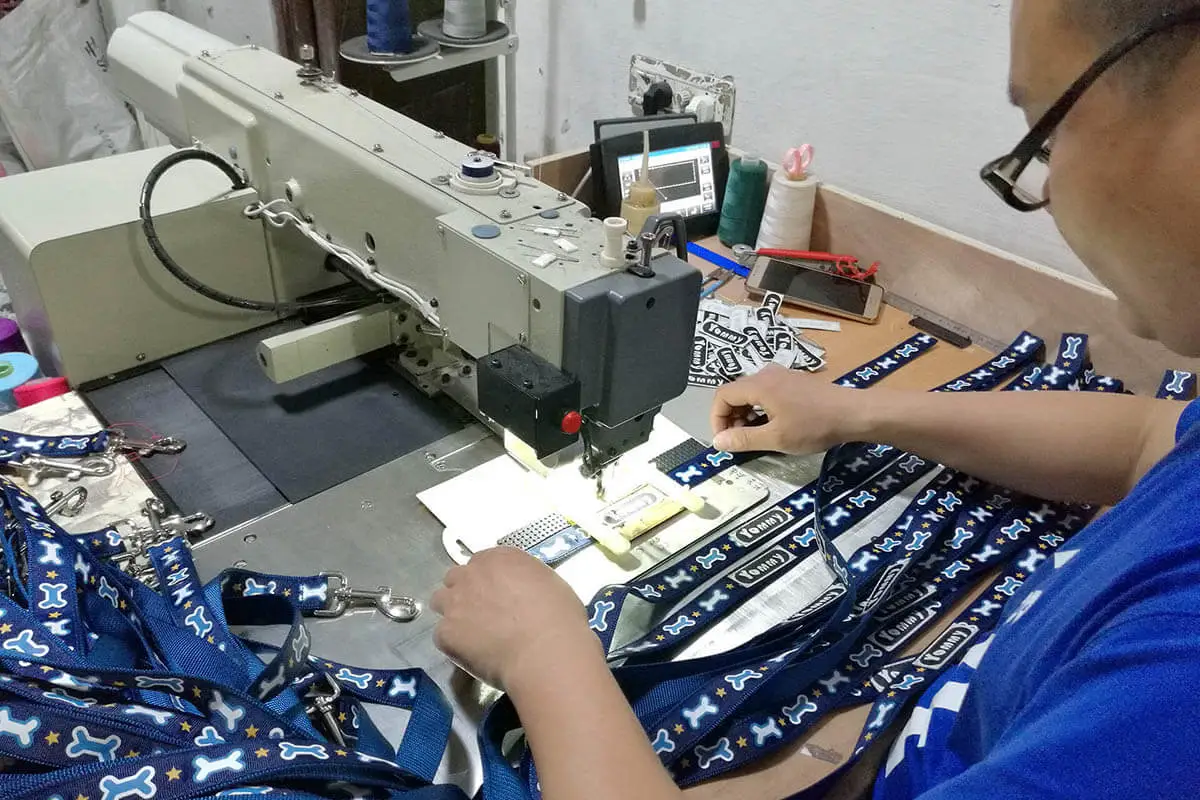
Our mission at Boonpets goes beyond production lines. We see ourselves as an extension of your team. When you tell us you need a leash that resonates with professional trainers, we know exactly what that means. It means using a specific density of nylon webbing for the right feel and durability. It means sourcing trigger clips that are easy to operate with one hand but secure enough for a powerful dog. I once spent weeks working with an engineer to perfect the swivel action on a new clasp, ensuring it wouldn't jam with sand or dirt—a small detail a trainer would notice immediately. Offering low MOQs allows you to test different "trainer-approved" models without a huge capital investment. Our ability to customize everything from material color to branded packaging means you can build a unique product line that reflects this quality-first philosophy. Your success is our success.
Conclusion
Stocking what trainers recommend—durable, fixed-length leashes—builds trust and positions your brand as an expert. This simple strategy will increase your sales, profit, and brand awareness in the long run.
Footnote: