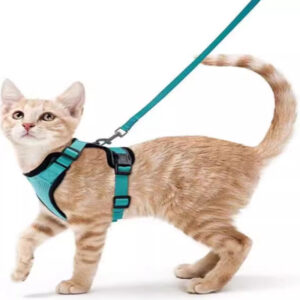
Margins feel tighter every quarter, do they not? You see competitors slashing prices while your overhead creeps up, leaving you wondering if the golden era of pet retail is losing its shine.
Yes, the sector remains highly profitable, particularly in premium accessories like walking gear. The key lies in shifting from low-margin commodities to high-value, differentiated goods where gross margins often exceed 40%, provided you optimize sourcing and target the "pet parent" demographic effectively.
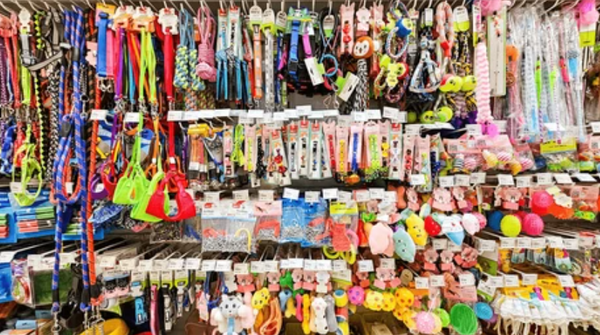
Many retailers get stuck chasing volume instead of value. They fill containers with generic items that end up in a price war. Let’s look at the actionable strategies that turn inventory into actual profit.
What Do Current Market Trends Reveal About Profitability?
Global charts show growth, but your P&L statement might tell a different story. Generic imports flood the market, threatening to drown out your specific brand identity and crush your markup potential.
The market is splitting in two. While budget segments stagnate, the premium accessories market is projected to grow significantly. Profitability now depends on distinct branding and quality assurance1 rather than competing on the lowest price to move units.
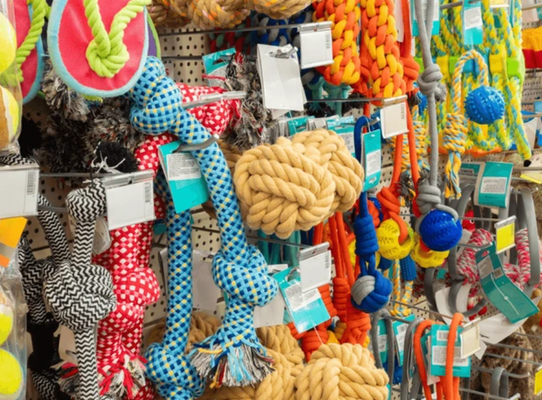
We need to look closely at where the money is actually going. According to recent data from the American Pet Products Association (APPA), spending on supplies and OTC medicine is rising steadily. But the real insight is the shift in why people buy. Owners are acting like parents. They do not just want a leash; they want a safety device. This psychological shift allows us to move away from "cost-plus" pricing to "value-based" pricing.
When you sell a generic nylon strap, you are capped by the market price of commodities. But when you sell a safety-certified, padded harness with reflective stitching, you are selling peace of mind. The profit margin here is significantly healthier. At Boonpets, we see this daily. Partners who order our standard lines do well, but those who utilize our customization options to create a specific "brand feel" see much better customer retention2.
Consider this breakdown of value perception:
| Type of Product | Customer Focus | Margin Potential | Competition Level |
|---|---|---|---|
| Generic Import | Price | Low (10-20%) | Extremely High |
| Branded Standard | Trust | Medium (25-35%) | High |
| Premium Functional | Safety/Lifestyle | High (40%+) | Moderate |
For a procurement manager, the strategy is clear. You must allocate more open-to-buy budget toward the "Premium Functional" category. This protects your margins from the race to the bottom that dominates the generic sector.
Which Product Segments Offer the Best Safety from Margin Compression?
Stocking everything often means profiting from nothing. You likely have shelves full of slow movers that tempt you to run discount campaigns just to clear space and free up cash.
Functional walking gear—harnesses, tactical collars, and specialized leashes—yields the highest consistent returns. These are recurring need-based items where safety certifications3 justify higher price points compared to discretionary toys or apparel.
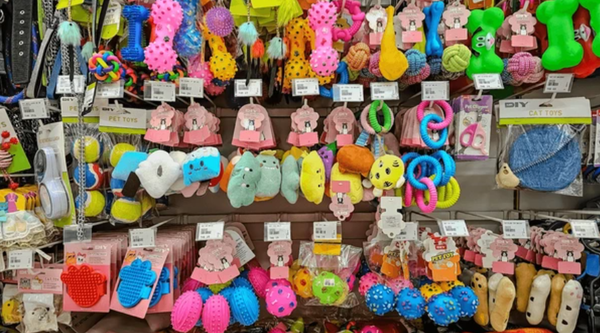
Let's break this down with a critical eye. Toys are fun, but they are discretionary. If the economy tightens, a dog owner skips the new squeaky toy. They will not, however, skip a strong leash if their current one is fraying. This makes the "walking and safety" category recession-resistant. Within this category, tactical gear and technical fabrics are the current profit leaders.
Why do these segments perform better? It comes down to material science and perceived value. A standard leash uses basic polypropylene. It is cheap, but it feels cheap. In contrast, high-density nylon webbing—the kind we test for tensile strength at our factory—demonstrates clear superiority the moment a customer touches it.
Here is a look at the specific features that allow for price premiums:
- Tactical Hardware: Using aviation-aluminum clips or quick-release Cobra-style buckles instantly elevates a product from $15 to $45 retail.
- Safety Tech: Reflective 3M threading is not just a design choice; it is a safety feature for night walking. Lab tests show our reflective integration remains visible from 200 meters, a stat you can use in marketing.
- Ergonomics: Neoprene padding in handles and chest plates adds tangible comfort.
When you source products with these specs, you are not just buying inventory. You are buying a narrative of quality. Third-party inspections confirm that verified quality materials reduce return rates to near zero. Every percentage point you save on returns goes straight to your net profit. Focus your catalog here.
How Can Smarter Supply Chain Choices boost Your Bottom Line?
Hidden costs in procurement kill net profit faster than poor sales. Late shipments and quality rejects create fire-drills that waste your team’s time and budget on emergency fixes.
Profitability isn't just markup; it's also about reducing "landed cost." Working with manufacturers who offer low MOQs and consolidated shipping allows you to rotate capital faster and reduce warehousing expenses.

Most distributors fixate on the "FOB price" (Free On Board)—the cost the factory charges. But this is a trap. You need to calculate the Total Cost of Ownership (TCO)4. If a factory offers a price that is $0.20 cheaper but has a 5% defect rate or ships two weeks late, you have actually lost money. The cost of processing returns, damaging your brand reputation, and lost sales due to stockouts far outweighs that initial twenty-cent saving.
At Boonpets, we redesigned our workflow to address this specific pain point for mid-sized buyers. We know you cannot always tie up $50,000 in a single SKU.
Here is how a smarter supply chain structure directly impacts your cash flow:
- Lower Minimum Order Quantities (MOQs): instead of ordering 1,000 units of one color, imagine ordering 1,000 units split across four colors and two sizes. This reduces your risk of holding "dead stock" that nobody wants. You match inventory closer to actual demand.
- Factory-Direct Communication: Eliminating the middleman agent saves you 15-20% immediately. But more importantly, it reduces error. When you talk directly to me or my production lead, your specification for "reinforced stitching" is understood technically, not lost in translation.
- Consolidation: Buying collars, leashes, and harnesses from one source reduces shipping complexity. You deal with one customs entry, one shipment, and one invoice.
The math is simple. If you can turn your inventory 4 times a year instead of 2 because you are not weighed down by massive MOQs, your return on capital doubles. That is operational profitability.
What Consumer Shifts are Driving the Next Wave of Innovation?
Customers walk past standard nylon leashes without a second glance. They demand products that solve specific problems or match their personal lifestyle values, leaving generic shelves untouched.
Modern pet owners prioritize safety, sustainability, and aesthetics. Data shows a spike in demand for "human-grade" materials and multifunctional gear, creating an opening for retailers to introduce premium lines at higher price points.

The term "humanization of pets" gets thrown around a lot, but let's define what it actually means for your product development. It means the materials used for a dog's raincoat must match the quality of the owner's North Face jacket. It means the plastic on a buckle must be eco-friendly or recycled because the owner recycles their own water bottles.
We are seeing a massive surge in two specific areas: Sustainability and Control.
Sustainability is no longer a niche; it is a baseline expectation for younger demographics. We have started integrating RPET (recycled polyethylene terephthalate) materials into our webbing. Partners who market these "Green Lines" often see they can command a 15-20% higher retail price because customers feel good about the purchase.
Control addresses the anxiety of walking strong dogs in urban environments. Features like:
- Traffic handles (a second handle near the collar for tight control).
- Anti-shock bungee sections (to protect the owner's arm and the dog's neck).
- Multi-point attachment harnesses (front and back rings).
These are not gimmicks. They are engineering solutions to daily problems. When you pitch these to your retail buyers or end consumers, you are solving a pain point—"My dog pulls, and it hurts." The solution is worth paying for. By partnering with a manufacturer that stays ahead of these trends, you ensure your catalog looks fresh and relevant, rather than a relic of 2015.
Do Traditional Buyer-Supplier Relationships Still Work?
Treating manufacturers as mere vendors limits your agility. You send a PO and hope for the best, missing out on collaborative product development that captures market share.
No. The most profitable distributors have shifted to "partnership models." This involves early collaboration on design and exclusive territory rights, effectively turning a manufacturer into your external R&D department.

The old model of "send inquiry, get quote, negotiate pennies" is dead. It is too slow and too transactional. If you want to differentiate, you need a factory that acts as an extension of your own team. I have seen this firsthand with our long-term partners in Italy and Germany. We do not just process their orders; we sit down (often virtually) and plan their next season together.
Here is the strategic advantage of a deep partnership:
- Exclusive Access: When we develop a new mold for a muzzle or a new weaving pattern for a leash, our key partners get first refusal in their territory. You get a product your competitors cannot source on Alibaba.
- Speed to Market: If a trend hits (like a specific color palette for Fall), partners with established relationships can fast-track prototypes. We know your quality standards, your packaging requirements, and your logo specs. We can move from concept to sample in 10 days, while a new vendor might take 40.
- Problem Solving: Supply chains break. Material shortages happen. When you are a "Partner," not just a "Buyer," you get the honest news first and the solution immediately after. We prioritize your line production because your growth is linked to ours.
For a procurement manager, this shifts your role from "buyer" to "product strategist." You leverage our 11 years of manufacturing expertise to build your brand assets. You own the design; we just provide the engine to build it.
How Do You Future-Proof Your Portfolio Against Market volatility?
One bad batch or a sudden tariff change can wipe out a quarter's gains. Relying on a single source or a single product type is a gamble you cannot afford.
Diversification is the only safety net. You must balance steady volume sellers with high-margin innovation, while ensuring your supply chain has built-in redundancy and strict quality protocols to prevent reputational damage.

Risk management in pet accessories comes down to three P's: Portfolio, Production, and Protocols.
Portfolio Balance: You cannot build a business solely on trendy items. Trends die. Conversely, you cannot survive only on basic black collars—margins are too thin. A healthy portfolio follows the 70/20/10 rule.
- 70% Core Staples: High volume, lower margin, consistent sellers (Basic Nylon, classic harnesses). These pay the light bill.
- 20% Seasonal/Trend: High margin, medium volume (Summer collections, specific tactical gear). These provide the profit bumps.
- 10% Experimental: Very high margin, low volume (New eco-materials, luxury leather). These build brand prestige.
Production Consistency: Innovation creates sales, but consistency keeps customers. One snapped leash can result in a viral negative review that haunts you for years. This is why we insist on third-party inspections and ISO-standard testing for every batch. You need paper trails of quality compliance to protect your company from liability.
Protocols for Supply: finally, consider the risk of putting all your eggs in one basket. While consolidation is good, blind reliance is bad. Work with a manufacturer who has a robust supply chain of raw materials from divers sources. At Boonpets, we stockpile key raw materials (webbing, hardware) to insulate our partners from sudden price spikes or shortages in the fluctuating commodities market.
By structuring your buying this way, you are not just hoping for a good year; you are engineering a resilient business that can withstand market shocks.
Conclusion
Profitability comes from strategic sourcing, not just high prices. Focus on premium functional segments, reduce supply chain friction through smart consolidation, and partner with manufacturers who build your brand identity, not just their own order volume.
Footnote:
Explore the importance of branding and quality in driving customer loyalty. ↩
Discover strategies to enhance customer loyalty and repeat purchases. ↩
Discover how safety certifications can justify higher price points and enhance sales. ↩
Understand how TCO can impact your procurement decisions and overall profitability. ↩