
Have you ever felt that heart-stopping panic when your dog slips out the door? Every second they are missing feels like an eternity, filled with dread and worst-case scenarios.
A GPS pet tracker1 is absolutely worth it for the peace of mind it provides. It gives you real-time location data2 to find a lost dog in minutes. Modern trackers have also evolved into wellness devices3, monitoring your dog's activity, sleep, and overall health patterns.
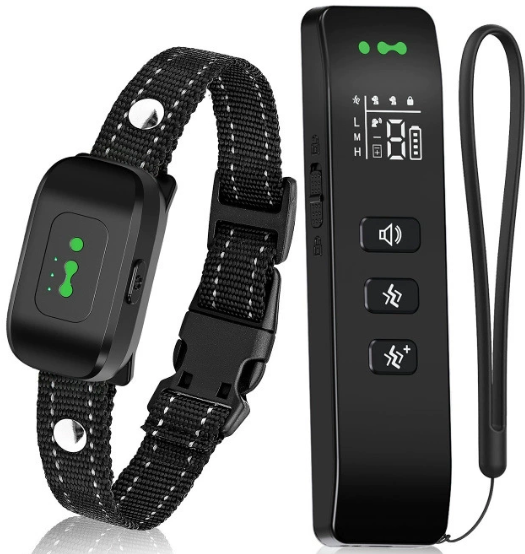
I've been in the pet accessory business for over 11 years, and the rise of smart technology is one of the biggest shifts I've seen. Trackers are no longer just simple gadgets for finding lost pets; they are becoming a core part of responsible pet ownership. For retailers, this isn't just another product category. It's an opportunity to offer customers a high-value solution that combines safety, health, and technology. Let's break down if this investment makes sense for you and your customers.
Is a Dog Tracker Worth It?
You love your dog, but you're hesitant about another gadget with a monthly subscription fee. You wonder if the cost is truly justified, especially if your dog has never run away before.
A dog tracker is worth it because the one time you need it, its value becomes immeasurable. Beyond just recovering a lost pet, many trackers also function as activity monitors4, helping you manage your dog's health, weight, and exercise for a small monthly fee.
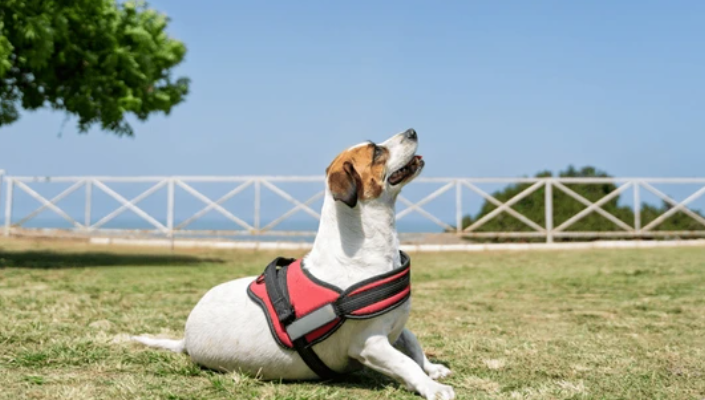
The real value of a tracker isn't just in the hardware; it's in the data and the security it brings. Think of it like insurance. You hope you never need it, but you're incredibly relieved it's there when you do. But unlike insurance, a tracker provides daily benefits. Many of the business owners I work with are starting to bundle trackers with other products, like harnesses designed for outdoor adventures. Why? Because the modern pet owner wants a complete solution. A tracker can monitor activity levels, which is crucial for managing a dog's weight and preventing health issues. Some even track sleep patterns and can alert you to changes that might signal an illness. This moves the product from a simple "lost pet finder" to an essential wellness tool. The small subscription fee, which covers the cellular data, is a tiny price to pay for that level of insight and security.
What Is the Best Dog Tracker on the Market?
The market is flooded with trackers, all making bold claims. As a business owner or a discerning pet parent, you need to know which features actually matter and what separates a great product from a gimmick.
The best dog trackers on the market offer a combination of reliable, real-time GPS tracking, a long-lasting battery, and insightful activity monitoring. Top-tier devices use multiple satellite systems for accuracy and have a durable, waterproof design that can withstand an active dog's lifestyle.

From a manufacturer's perspective, I evaluate products based on their core technology and build quality. The "best" tracker isn't about flashy marketing; it's about reliability when it matters most. Here's what defines a market-leading device:
Core Features of a Top-Tier Tracker
- True GPS vs. Bluetooth: This is the most critical distinction. A superior tracker uses GPS and cellular networks for unlimited range. Cheaper options that rely solely on Bluetooth (like AirTags) are only useful within a very short distance.
- Battery Life: The tracker is useless if the battery is dead. The best models offer several days, or even weeks, of battery life on a single charge and send you low-battery alerts.
- Durability and Waterproofing: Dogs swim, roll in the mud, and play rough. A top tracker needs an IP67 rating or higher, meaning it can be submerged in water without failing.
- Comprehensive App: The user experience is key. A great app provides not just a map, but also geofencing (virtual fences), location history, and easy-to-understand health and activity reports.
| Feature | Good Tracker | Best Tracker |
|---|---|---|
| Tracking Tech | GPS only | GPS, GLONASS, Galileo + Cellular |
| Battery Life | 1-2 days | 7+ days with power-saving modes |
| Durability | Water-resistant | Fully waterproof (IP67+) and shockproof |
| App Features | Live tracking | Live tracking, geofencing, health alerts |
What Is Better Than an AirTag for Pets?
You see people attaching Apple AirTag5s to their pet's collar and think it's a clever, low-cost solution. But you suspect there might be a catch to using a device that wasn't designed for pets.
A dedicated GPS pet tracker is far better than an AirTag for pets because it provides true, real-time location updates over an unlimited range using cellular and GPS technology. AirTags are not GPS devices; they rely on being near another Apple device to report their location.
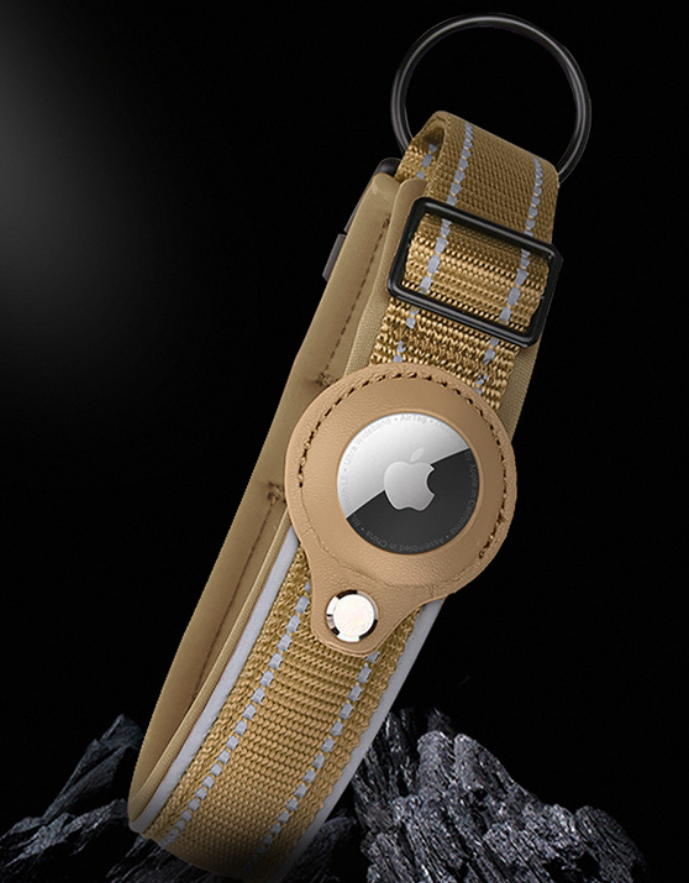
I completely understand the appeal of an AirTag. It's inexpensive and part of an ecosystem many people already use. However, for the specific task of finding a lost, potentially frightened pet, it has critical flaws. An AirTag's location is only updated when another person's iPhone comes within its short Bluetooth range. If your dog runs into the woods, a rural area, or a neighborhood where no one is walking by with an iPhone, the AirTag is useless. You will only see its last known location. This is a huge gamble. A dedicated GPS tracker, on the other hand, is in constant communication with satellites. It actively sends its own location through the cellular network directly to your phone. It doesn't need anyone else to be nearby. It works in the woods, it works in the city, and it works in real-time "live" mode so you can actively follow your dog's path to a safe recovery.
Conclusion
Investing in a dedicated GPS tracker for your dog is a wise decision. It provides unparalleled peace of mind for finding a lost pet and offers valuable daily insights into their health and activity. For pet businesses, it's a high-value product that meets a real need for modern owners.
Explore how GPS pet trackers can enhance your pet's safety and your peace of mind. ↩
Learn about the technology behind real-time tracking and its importance for pet safety. ↩
Discover how wellness devices can monitor your pet's health and activity levels. ↩
Find out which activity monitors can help you keep your dog healthy and active. ↩
Understand the drawbacks of AirTags compared to dedicated GPS pet trackers. ↩