You're stuck in a cycle of supplier-hopping. One manufacturer has quality issues, the next has communication problems. This constant churn is draining your time, money, and energy.
To vet a manufacturer for a long-term partnership, you must look beyond the price. Verify their certifications1 (like BSCI2), assess their production capacity, scrutinize their multi-stage quality control process, and ensure they invest in R&D to help you innovate.
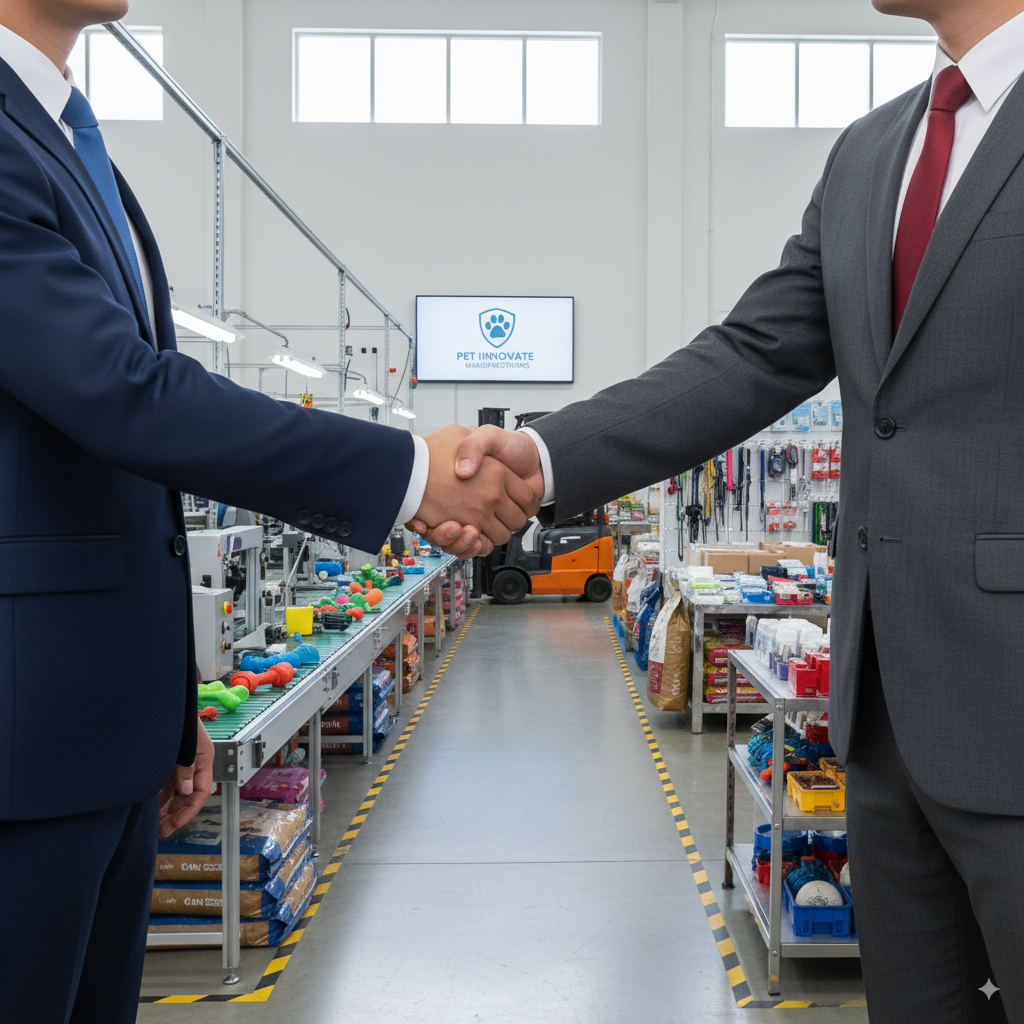
Finding a supplier isn't the goal. Finding a partner is. Over the last decade, I've seen that the most successful pet brands are the ones who build deep, collaborative relationships with their manufacturers. A true partner is an extension of your own team—they anticipate your needs, help you solve problems, and are invested in your growth. But finding that partner requires a vetting process that goes much deeper than a simple price quote. Let’s break down the key areas you need to investigate to find a manufacturer you can build a future with.
What Manufacturing Certifications Truly Indicate Reliability?
Supplier websites are filled with logos and certifications. You have no way of knowing which ones are legitimate and which are just marketing fluff, leaving your brand exposed to risk.
Focus on third-party audits. A social compliance audit like BSCI or SMETA3 proves ethical labor practices4. A material safety certificate like OEKO-TEX®5 guarantees non-toxic textiles. These credentials show a manufacturer's commitment to verifiable, global standards of quality and responsibility.
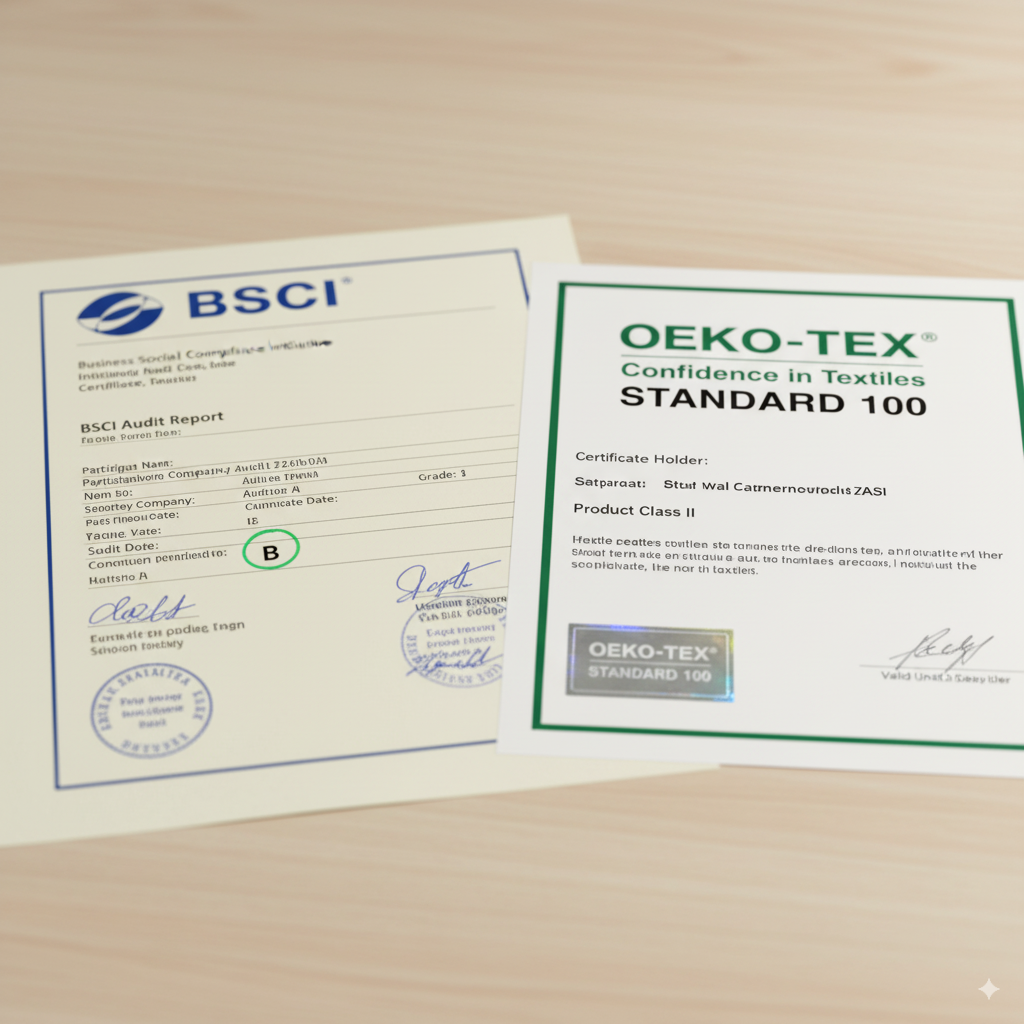
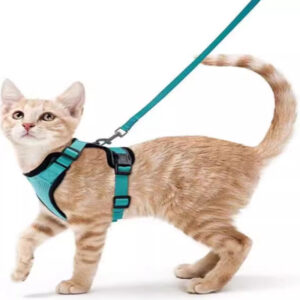
Certifications are not just about "doing good"; they are about managing risk for your brand. A BSCI audit, for example, gives you peace of mind that you won't suddenly find your company in a headline about unfair labor practices. It's a critical piece of due diligence in a global supply chain. Similarly, OEKO-TEX® certification isn't just a feature—it's a promise that the harness touching the dog's fur is free from harmful substances. This protects the pet and protects you from potential liability and recalls.
A reliable partner will be proud to share these documents with you. If a supplier is hesitant or can't provide a recent, valid report, consider it a serious red flag.
| Certification | What It Verifies | Why It's Critical for You |
|---|---|---|
| BSCI / SMETA | Ethical Labor Practices: Fair wages, safe working conditions, no forced labor. | Protects your brand reputation from supply chain scandals and ensures you're partnering with an ethical company. |
| OEKO-TEX® | Material Safety: Textiles are tested and certified free from a list of over 100 harmful substances. | Guarantees the product is safe for pets, reducing the risk of skin reactions, recalls, and customer complaints. |
How Does Production Capacity Impact Your Partnership Potential?
Your business is taking off, but your supplier can't handle your growing order sizes. Their limited capacity has become your bottleneck, forcing you to miss out on sales and bigger retail opportunities.
Production capacity shows whether a manufacturer can scale with you. A great partner is transparent about their monthly output and lead times6 for different order volumes. They should be able to handle your growth without compromising the quality or delivery schedule you depend on.
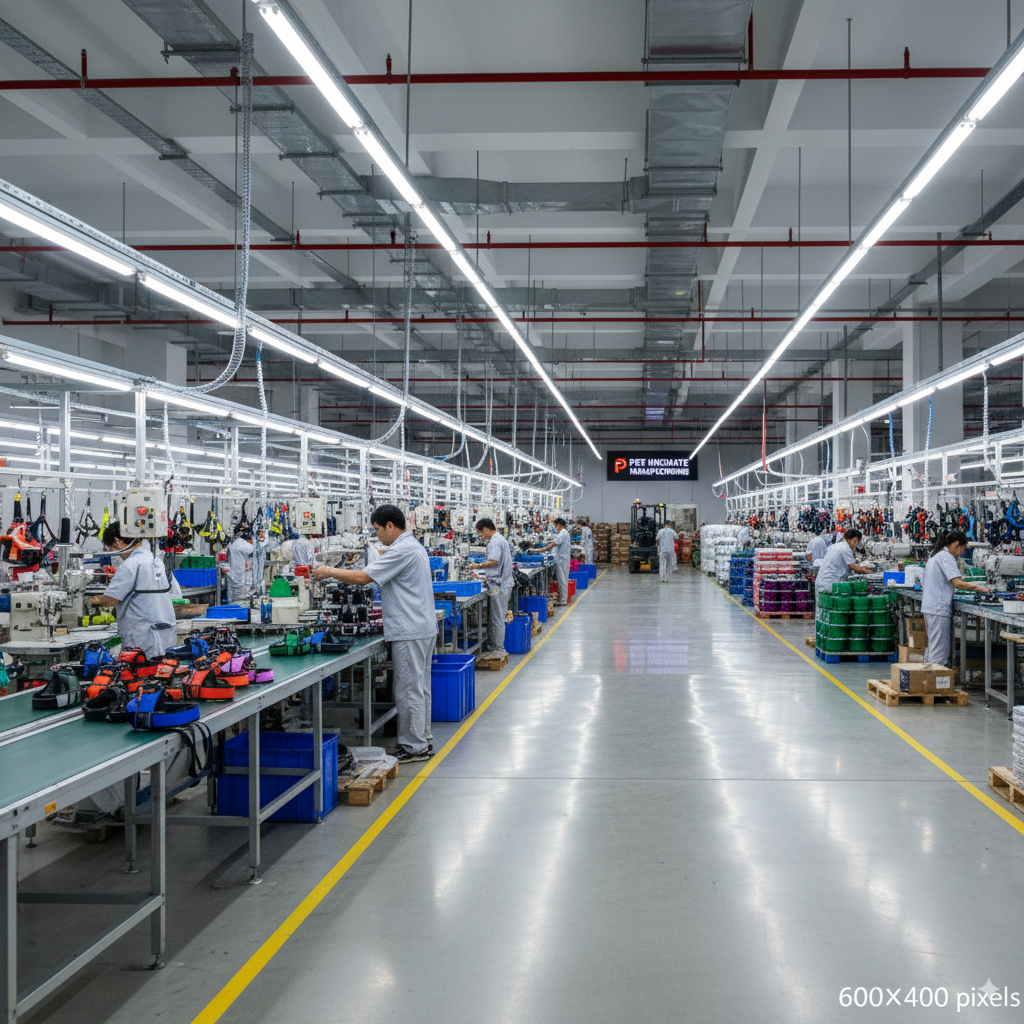
Finding the right fit is key. A factory that is too small will stunt your growth. But a factory that is too large might not give your business the attention it deserves, treating you as a low priority. You want a partner who is in that "Goldilocks zone"—big enough to handle your potential, but small enough to value your business.
When I talk to potential new partners, I don't just ask "What's your capacity?" I ask more specific questions to understand what our working relationship would look like.
Here's what you should ask:
- "What is your average lead time for an order of 1,000 units versus 10,000 units?" This tells you how their production scales.
- "How many sewing machines and dedicated workers do you have for harness production?" This gives you a real sense of their physical capacity.
- "How do you manage production planning during peak seasons?" This shows if they are proactive or reactive.
- "What was the largest single order you fulfilled in the last year?" This tests the limits of their stated capacity.
A true partner can answer these questions easily and will work with you to create a production plan that aligns with your sales forecasts.
Which Quality Control Measures Separate Trustworthy Suppliers?
You're frustrated with inconsistent product quality. One shipment is perfect, but the next is riddled with defects. This unreliability is damaging your brand's reputation with every customer return.
Trustworthy suppliers implement a robust, multi-stage Quality Control7 (QC) system. This includes inspecting incoming raw materials, conducting checks during the production process, and performing a final, random inspection based on an established standard like AQL 2.5/4.0 before shipment.
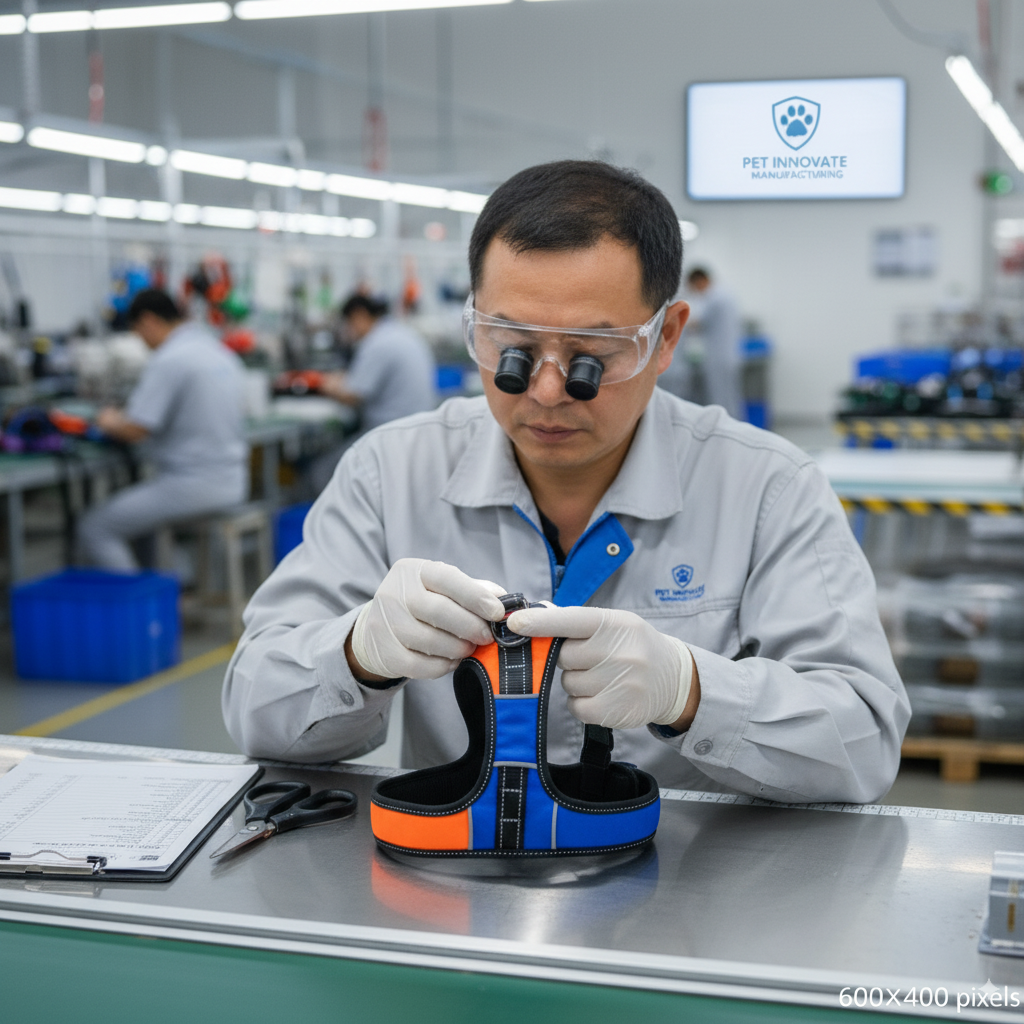
Anyone can say they have "good quality." A professional manufacturer proves it with a system. At BoonPets, we live by a simple rule: it's cheaper to prevent a defect than to fix one. That's why our QC process is built into every step of manufacturing, not just something we do at the end.
This is what a top-tier QC process looks like:
- Incoming Material Inspection (IQC): Before we even start, we test the raw materials. We check the webbing for tensile strength, test the durability of the buckles, and ensure the color of the fabric is consistent.
- In-Process Quality Control (IPQC): Our line managers constantly monitor production. They check for things like consistent stitch length and secure attachment of D-rings. This catches small issues before they become big problems.
- Final Quality Control (FQC): After an order is complete and packed, our dedicated QC team performs a final inspection based on AQL standards8. They pull a random sample of products from the shipment and check them against a detailed quality checklist.
A partner who is confident in their process will welcome your involvement. They should be happy to share their internal QC reports with you and should fully support you sending your own third-party inspector to their facility.
Why Is R&D Investment a Sign of a True Partner?
Your competitors are constantly launching new and improved products. Meanwhile, your supplier offers the same catalog they had five years ago, causing your brand to look stale and fall behind.
A manufacturer's investment in Research & Development (R&D) shows they are a forward-thinking partner, not just an order-taker. Their R&D capability means they can help you develop innovative, exclusive products that give you a real competitive edge in a crowded market.
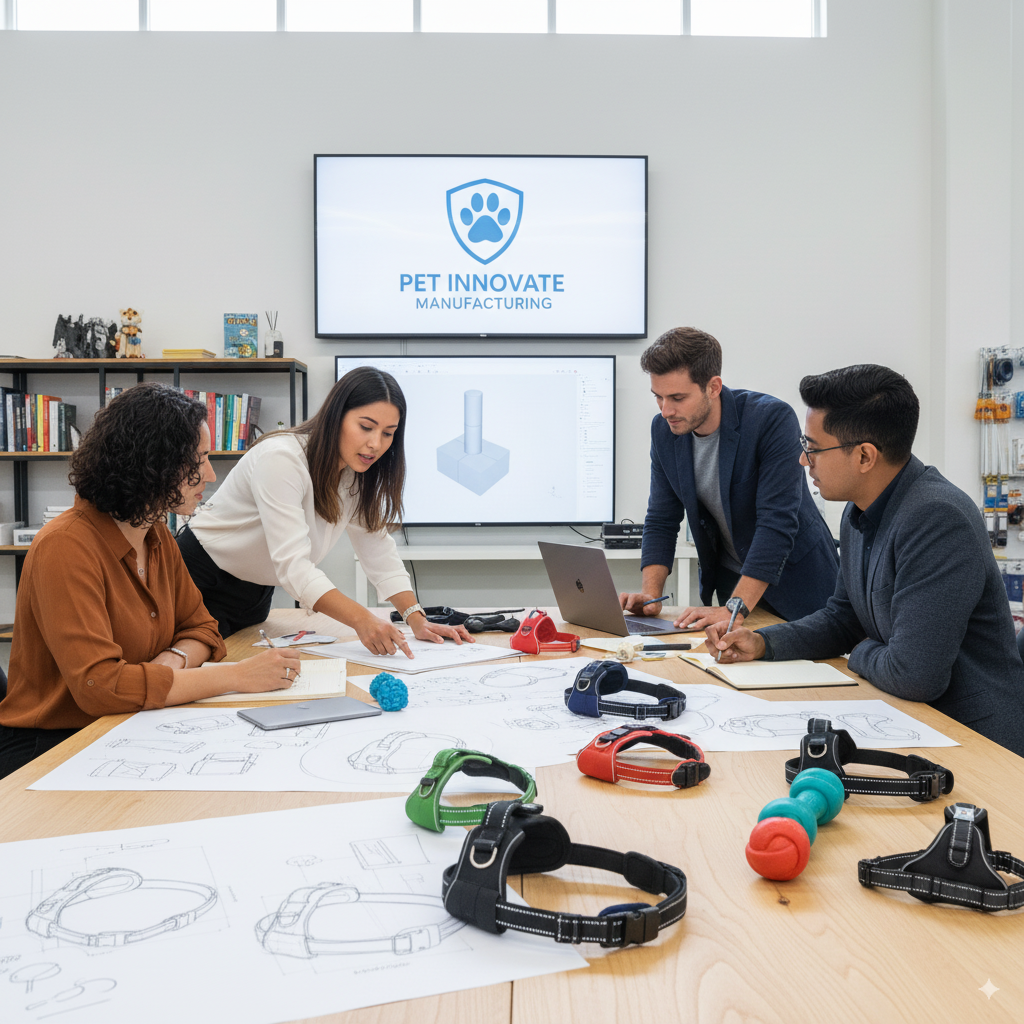
In the fast-moving pet industry, innovation is survival. A long-term partner should be helping you look around the corner and see what's next. A supplier who only manufactures existing designs is a commodity. A partner with a strong R&D team is a strategic asset. When you vet a potential manufacturer, ask them directly about their R&D process.
Here are some good questions to start with:
- "Can you show me a recent example of a new product you developed internally?"
- "What is your process for creating a custom product from just an idea or a sketch?"
- "What new materials or hardware components are you currently testing?"
For my most valued partners, we don't just wait for them to send us designs. We proactively bring them new ideas—a more ergonomic buckle we've sourced, a new type of reflective webbing, a new harness structure that improves comfort. This is what a real partnership looks like. It's a two-way street where we work together to create the best products for your market. The more you invest in a partner with stable orders, the more they will invest in your success.
Conclusion
Vetting a manufacturer is about finding a partner who aligns with your goals for quality, ethics, and growth. By looking for verifiable certifications, scalable capacity, systematic QC, and a commitment to innovation, you can move beyond transactional relationships and build a supply chain that becomes your greatest competitive advantage.
Footnote:
Identifying key certifications helps ensure your supplier meets industry standards for quality and ethics. ↩
Understanding BSCI certification helps ensure your supplier adheres to ethical labor standards, protecting your brand's reputation. ↩
Exploring SMETA certification can provide insights into a manufacturer's commitment to ethical labor, crucial for brand integrity. ↩
Understanding ethical labor practices is essential for maintaining a responsible supply chain and protecting your brand. ↩
OEKO-TEX® certification guarantees safety from harmful substances, ensuring your products are safe for pets and customers. ↩
Lead times are critical for planning and can affect your ability to meet market demands and customer expectations. ↩
Multi-stage Quality Control ensures thorough inspections, reducing defects and enhancing product reliability. ↩
AQL standards help define acceptable quality levels, ensuring your products meet customer expectations consistently. ↩