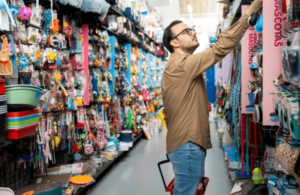
Designing a retail space isn't just about paint colors; it is about controlling the flow of traffic to maximize basket size. Poor floor plans leave high-margin items like premium collars and leashes unnoticed on the racks, killing conversion rates before a customer even speaks to your staff.
Effective pet store design optimizes the customer journey by placing high-margin impulse buys like accessories at eye level near high-traffic zones. It combines distinct product categorization, wide aisles for pet comfort, and strategic lighting1 to highlight material quality, directly influencing purchase frequency.
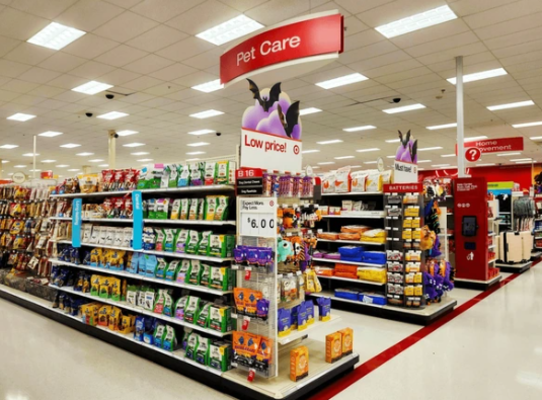
Many retailers overlook the critical connection between procurement strategy2 and shelf placement. Even the highest-quality inventory will fail to move if the environment doesn't support its value. A generic layout signals generic products, whereas a strategic design elevates your brand authority. Let's look at how to align your physical space with your financial goals.
How does comprehensive market analysis define your store's physical blueprint?
Guessing what your local pet owners want is a sure recipe for dead stock sitting in your backroom gathering dust.
Market analysis dictates your floor plan percentages. If data shows 60% of local owners have large dogs, your design must allocate wider aisle space and robust racking for heavy-duty harnesses, rather than maximizing shelf density for small items that won't sell.
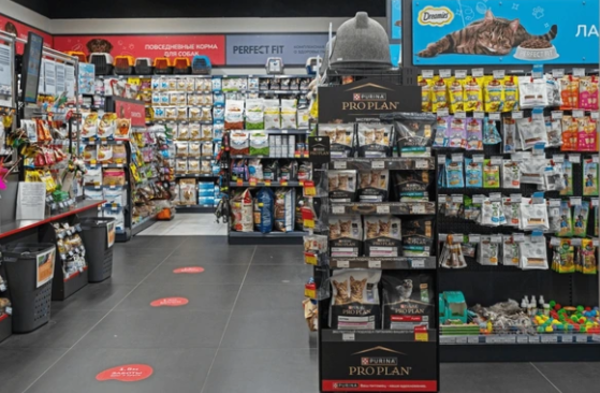
We cannot separate the physical structure of the store from the data that drives it. For a procurement manager, this means the store layout must reflect the demographic reality of the catchment area. If you are operating in a suburban area dominated by active, outdoor-loving Golden Retriever owners, a boutique layout designed for teacup Chihuahuas will alienate your core customer base. The design must accommodate the "active" category—dedicating prime wall space to durable, weather-resistant gear rather than fashion-focused novelties.
At Boonpets, we see this misalignment frequently during supplier consultations. A retailer might order our heavy-duty tactical harnesses but place them on flimsy, crowded shelving units designed for cat toys. The physical environment contradicts the product promises of strength and safety.
To bridge this gap, your analysis should influence three specific design elements:
- Aisle Width: Urban shops often cram aisles, but if your data suggests a high volume of owners shopping with their dogs, you need minimum clearance for two large breeds to pass without aggression.
- Category Allocation: Industry reports indicate that the "Safety & Walking" category is growing steadily. If this category represents 20% of your revenue potential, it should occupy 20% of your prime floor space, not be relegated to a back corner.
- Material Highlight Zones: If your market analysis points to an eco-conscious demographic, your design must feature natural wood shelving and spotlighting that emphasizes the texture of sustainable materials3, like the recycled PET webbings we manufacture.
What strategic layout and visual merchandising4 techniques maximize accessory sales?
Putting premium leather collars next to discount kibble devalues your entire inventory image instantly and confuses the shopper.
Strategic merchandising utilizes the "Gold Zone"—the area between waist and eye level—for high-margin accessories. By grouping products by color stories or lifestyle usage (e.g., hiking gear) rather than just size, retailers encourage multi-item purchases and increase basket size significantly.
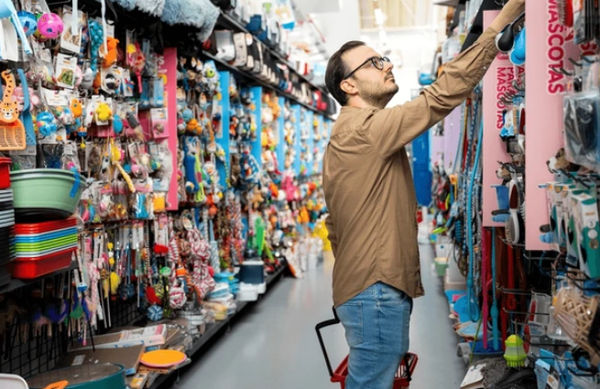
The "Silent Salesman" in your store is your shelving strategy. As a manufacturer of premium accessories, I know that the difference between a $5 leash and a $25 leash is often lost when they are simply hung on peg hooks in a row. To differentiate high-quality goods, the layout needs to invite interaction. Procurement managers looking to expand high-margin categories must advocate for "Touch and Feel" displays. This involves unboxing a sample of each core SKU—like our soft-padded neoprene handles—and mounting them at hand level.
Customers need to test the tensile feedback of a retractable leash or feel the weight of a solid brass carabiner to justify the higher price point. Visual merchandising should also move away from commodity sorting (Small, Medium, Large) toward lifestyle sorting.
| Merchandising Style | Customer Perception | Sales Impact |
|---|---|---|
| Commodity Sorting | "I am looking for a replacement tool." | Low margin, price-sensitive purchases. |
| Lifestyle Sorting | "I am upgrading my walking experience." | High margin, emotional purchases. |
| Color Blocking | "I can build a matching set." | Increases Units Per Transaction (UPT). |
By arranging a "Red Collection" containing a collar, harness, leash, and matching waste bag holder, you visually suggest the full set. This technique shifts the mental calculation from "Do I need this?" to "Does this look good together?" effectively combating the generic feeling of Alibaba-imported stock.
How can integrating technology and inventory systems improve operational efficiency5?
Empty hooks kill sales immediately, but overstocked shelves look messy and hide your best products behind clutter.
Modern design integrates inventory management directly into the fixtures, using sleek cabinetry for overstock storage beneath display units. This "active warehousing" approach ensures staff can restock high-velocity items like seasonal harnesses immediately without leaving the sales floor.

Operational efficiency is the backend of design that impacts your bottom line as much as sales. For a distributor or chain manager, the friction between the warehouse and the retail shelf is a constant pain point. When we ship a 5,000-unit custom order of harnesses, your store design must handle that influx without disrupting the customer experience.
Smart design incorporates "Quick Response" storage zones. Instead of keeping all backstock in a remote warehouse, the lower 24 inches of your perimeter shelving should be designated for deep-drawer storage. This allows floor staff to replenish a sold-out size Medium harness in seconds, capturing the sale while the customer is still interested.
Furthermore, integrating technology means educating the consumer at the shelf edge. We recommend incorporating QR code holders into your shelf strips. Since we provide rigorous third-party lab test results for our products (like tensile strength data), you can link these codes to that data. This builds immense trust. When a customer scans the code and sees a certificate verifying the safety of the buckle, you are no longer competing on price with cheap online imports; you are competing on verified safety. This effectively uses your physical design to leverage the supply chain reliability we work hard to build.
Why are sustainable and scalable design solutions crucial for B2B retailers?
Changing your entire store layout every two years is too expensive and disrupts loyal customers who know where to find their favorite items.
Scalable design uses modular fixturing that adjusts to seasonal inventory shifts without requiring construction. Combining this with sustainable materials, like reclaimed wood displays, aligns the physical store environment with the values of eco-conscious consumers who buy recycled pet products.

Sustainability in design is no longer just a trend; it is a retention strategy. As we transition more of our manufacturing at Boonpets toward recycled plastics and eco-friendly dyes, we see a disconnect when these products are displayed on plastic-heavy, industrial fixtures. The medium must match the message. Retailers winning in the current market are those who build their "hardware" (shelves, counters) to reflect the "software" (products).
From a scalability perspective, static fixtures are a procurement risk. If you commit to a glued-down floor plan, you cannot adapt when a category explodes. For instance, snuffle mats and mental stimulation toys have seen massive growth recently. A modular slat-wall system allows you to swap out shelves for hanging hooks or bins in ten minutes.
Key benefits of Modular, Sustainable Design:
- Seasonal Agility: Easily expand the "Cooling" section in summer and the "Reflective Safety" section in winter without buying new furniture.
- Brand Consistency: Use natural materials (wood, stone) to visually reinforce the premium nature of your inventory. A nylon leash looks more vibrant against a wood grain background than against white metal.
- Cost Efficiency: Modular systems allow you to buy components rather than full units when you need to expand, reducing CapEx over time.
This approach ensures your physical store grows alongside your product catalog, rather than becoming a bottleneck that limits what you can procure.
How do you balance aesthetics with procurement realities in a cost-benefit analysis?
A stunning store that bankrupts you on renovation costs leaves no budget for buying quality stock to fill the shelves.
A smart cost-benefit analysis prioritizes "Capex" (capital expenditure) on permanent fixtures for high-margin zones while using low-cost, flexible signage for trends. This ensures financial resources remain available for procurement, allowing you to invest in better inventory turnover rather than just expensive flooring.

It is tempting to spend the entire budget on creating a "showstopper" entrance, but savvy procurement managers know that cash flow drives the business. Every dollar spent on immovable decor is a dollar less for inventory diversification. The goal is to invest in the stage (the fixtures) just enough to let the actors (the products) shine.
When assessing design costs, calculate the "Sales per Linear Foot" potential of the fixture.
- High Investment Zone: The "Walking Wall" (Leashes/Collars). This area generates high margin and requires dense SKU presentation. Invest in high-quality, high-CRI (Color Rendering Index) lighting here. Accurate color representation reduces returns and highlights the difference between our premium nylon and cheap competitors.
- Low Investment Zone: Bulk Consumables. Heavy bags of food do not need expensive shelving; they need durability. Industrial racking hidden by thoughtful signage is sufficient.
This balanced approach protects your buying power. You need the liquidity to meet Minimum Order Quantities (MOQs) for custom proprietary products that differentiate you from Amazon. If your cash is tied up in custom marble countertops, you are forced to buy generic, small-quantity stock from local wholesalers at lower margins. Design your budget to protect your inventory strategy.
What trends and innovation strategies will future-proof your pet store design?
Retail is shrinking for boring stores, but booming for those offering unique community experiences that online giants cannot replicate.
Future-proofing involves creating "hybrid zones" where retail meets service, such as a grooming station visible from the collar aisle. This layout keeps customers in-store longer and creates natural cross-selling opportunities between services and related physical products.
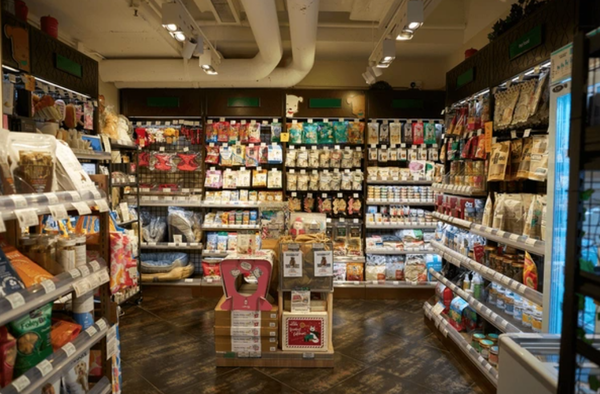
The store of the future is not a warehouse; it is a hub. To compete with the infinite aisle of the internet, your physical space must offer what a screen cannot: immediate customization and community connection. We are seeing forward-thinking partners set up "personalization stations" directly on the sales floor.
Imagine a compact workbench where a customer creates a semi-custom product. They choose a Boonpets harnesses base, select a specific color of chest strap, and add a custom velcro patch—all assembled by your staff in five minutes. This requires a design that allocates square footage to "maker spaces" rather than just passive shelving.
Strategies for the "Amazon-Proof" Store:
- The Community Board: Dedicate a prime wall to local dog walking meetups and trainer bios. This makes your store the information center of the town.
- Trial Zones: Create a small, gated area specifically for fit-testing harnesses. Buying a harness online is a gamble on size; your store solves that problem.
- Cross-Category Adjacency: Place grooming tools and shampoos next to the exit of the grooming salon, not in a separate aisle. Design the path so the service customer walks through the high-margin accessory selection to leave the store.
By designing for interaction, you stop selling commodities and start selling solutions. This locks in customer loyalty and justifies the price points of premium goods.
Conclusion
Designing a successful pet store requires balancing data-driven layouts with flexible, modular systems that highlight product quality. By aligning your physical environment with strategic procurement—prioritizing high-margin accessories and efficient inventory flow—you transform your space from a simple depot into a brand-building asset that drives growth and loyalty.
Footnote:
Learn how strategic lighting can highlight products and influence customer purchasing decisions. ↩
Gain insights into how procurement strategies can impact inventory management and sales. ↩
Learn how to use sustainable materials in retail design to appeal to eco-conscious consumers. ↩
Explore top visual merchandising techniques to create appealing displays that attract customers. ↩
Find strategies to enhance operational efficiency in retail environments for better customer service. ↩