You received a beautiful sample, placed a huge order, and then the bulk shipment arrived. The quality is terrible, the stitching is weak, and the hardware feels cheap. Now you're stuck with inventory you can't sell.
To truly evaluate quality, you must look beyond the sample. The key is to vet the manufacturer's quality management systems, material sourcing, and in-house testing procedures. Look for verifiable proof like third-party certificates and ask about their experience in premium markets.
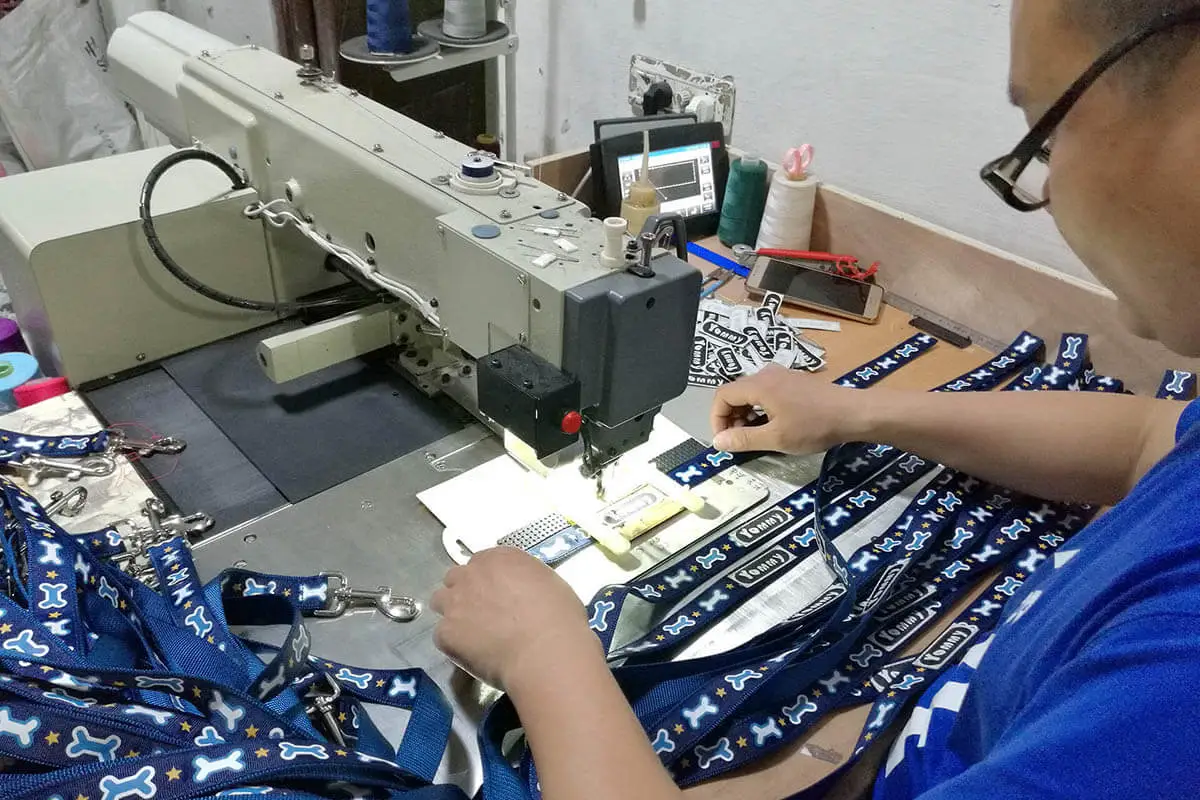
For over 11 years, I've built my business, BoonPets, on a simple principle: consistent quality is not an accident. It's the result of rigorous processes that many manufacturers try to skip to save money. I've seen countless retailers get burned because they didn't know the right questions to ask. They focused on what the product looked like, not how it was made. Today, I'm going to pull back the curtain and show you exactly what to look for, so you can choose a partner who protects your brand's reputation and helps you build customer trust.
What Should You Consider When Buying a Dog Harness?
You see a wall of harnesses at a trade show, and they all start to look the same. How do you decide which ones are actually safe and comfortable for a dog, and durable enough to earn a customer's loyalty?
When buying a dog harness, focus on three things: safety, comfort, and durability. This means examining the buckles and D-rings for strength, checking the materials for breathability and soft edges, and inspecting the stitching at all stress points to ensure it can handle daily use.
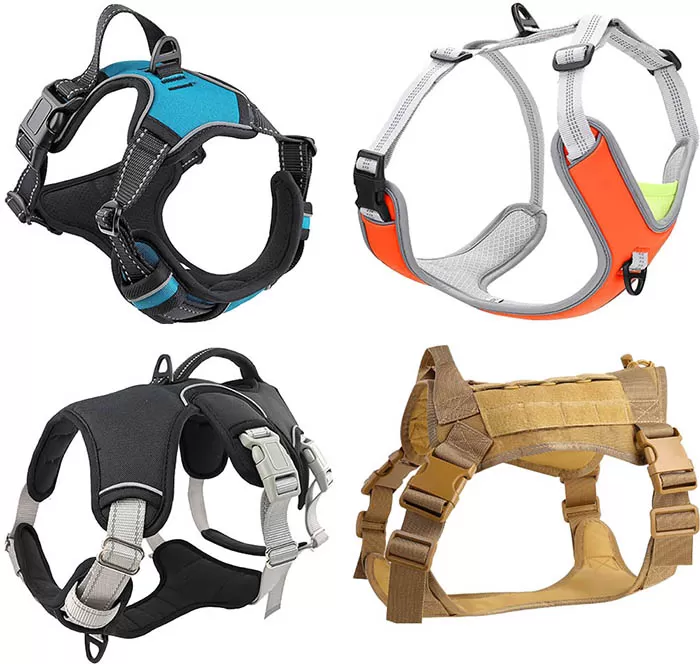
These three pillars—safety, comfort, and durability—are what your end customers care about most. As a retailer, your buying decision should reflect their needs. I always tell my partners to think about the dog's experience. A harness is a piece of safety equipment. The primary D-ring for leash attachment must be welded or forged, not just bent into shape. The buckles should be robust and click securely into place. For comfort, feel the edges. Are they sharp and likely to chafe, or are they soft and padded? Neoprene padding is one of the best choices for preventing friction. Finally, durability comes from the materials and construction. High-density webbing will resist fraying, and reinforced box stitching1 at key points (where straps meet) ensures the harness won't fall apart under pressure. A manufacturer who understands these details is one who cares about the final product, not just a quick sale.
What Makes a Dog Harness Good?
Two harnesses can look nearly identical, yet one costs a fraction of the other. You know there's a difference in quality, but you can't quite put your finger on what it is.
A good dog harness is defined by its hidden quality markers. It's not just the visible fabric, but the strength of the internal webbing, the corrosion resistance of the hardware, and the quality of the thread. A truly good harness has passed rigorous in-house testing for safety and durability.
This is where you separate the pros from the pretenders. Any workshop can sew fabric together. But a professional manufacturer invests in quality control. The first question I ask a potential materials supplier is about their testing processes. You should do the same with your harness manufacturer. Ask them directly: "What kind of tests do you perform on your components?" A great sign is when they have in-house testing equipment. For example, at BoonPets, we do salt spray tests2 on all our metal hardware. This simulates exposure to rain and humidity to ensure our D-rings and buckles won't rust. We also use tension-testing machines3 to pull on our webbing and stitching, confirming they can withstand the force of a large, pulling dog.
| Visible Quality | Hidden Quality (Ask Your Supplier About This) |
|---|---|
| Attractive color and fabric | Fabric colorfastness (resists fading in the sun) |
| Metal D-rings | Hardware material (e.g., zinc alloy vs. stainless steel) and rust resistance (passed salt spray test) |
| Looks securely sewn | Stitching strength (passed tension tests) and thread quality (UV resistant) |
| Padded for comfort | Padding material (open-cell vs. closed-cell foam) and its durability over time |
A good supplier will be proud to tell you about these processes. A bad one will just say, "Don't worry, it's good quality."
What Is the Best Material for a Dog Harness?
You're looking at harnesses made from nylon, polyester, and air mesh, and you're not sure which is best. Choosing the wrong one can lead to customer complaints about durability or comfort.
The best material depends entirely on the harness's intended use. Durable polyester is a fantastic all-rounder for daily walks. Lightweight air mesh is ideal for hot weather or small dogs. Nylon is known for its superior strength, making it great for heavy-duty or tactical harnesses.
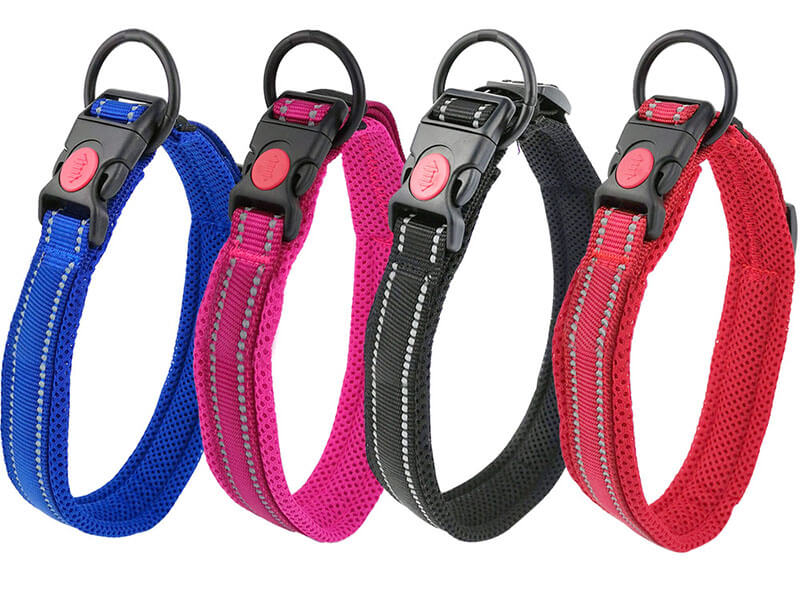
As a manufacturer, material selection is a critical decision we make every day. It's not just about picking a fabric; it's about matching the material's properties to the product's function. When you're sourcing, think about the kind of customer you are serving.
Material Breakdown for Harnesses:
- Polyester: This is our go-to for most of the harnesses we produce. It has excellent resistance to UV degradation (so colors don't fade), it doesn't stretch when wet, and it is very durable. It is the perfect workhorse material for the everyday dog owner.
- Nylon: Nylon is technically stronger than polyester and has a silkier feel. However, it absorbs water and can stretch when wet, and it's more susceptible to sun damage over time. It's best reserved for heavy-duty applications where maximum tensile strength is the top priority.
- Air Mesh: This material is all about breathability. It's lightweight and allows for excellent airflow, making it the most comfortable choice for dogs in hot climates or for those prone to overheating. The tradeoff is that it's generally less durable than solid polyester or nylon webbing.
In addition to the main material, ask about certifications like OEKO-TEX, which guarantees the fabric is free from harmful chemicals. This is a huge selling point for health-conscious pet parents.
Conclusion
Evaluating quality goes far beyond a visual inspection. It's about investigating the manufacturer's processes, questioning their material choices, and asking for proof of their quality claims. By focusing on these deeper factors, you can find a reliable partner who delivers consistent quality and helps you build a trusted brand.
Understanding box stitching is crucial for ensuring durability in dog harnesses, making this resource invaluable for quality assessment. ↩
Salt spray tests are vital for assessing corrosion resistance, ensuring the longevity of metal components. ↩
Tension-testing machines verify the strength of materials, ensuring they can withstand real-world use. ↩