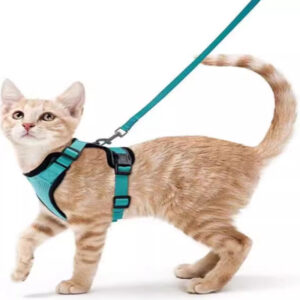
You're struggling with shipping delays and unexpected fees. You're trying to get your products, but the complex world of international logistics feels like a black box, threatening your launch dates and your budget.
B2B manufacturers handle logistics by managing a clear process: production, quality control1, export packaging, freight booking, and customs documents. They work with freight forwarders2 to offer options like sea or air freight3, ensuring your goods arrive safely and cost-effectively.
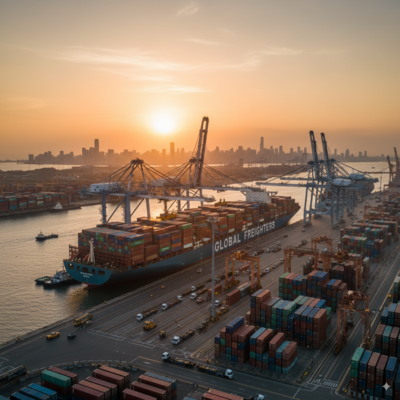
I've spent over a decade shipping millions of pet products from China to over 30 countries. Early on, I learned a hard lesson: a great product means nothing if it gets stuck at the port or arrives damaged. Logistics isn't an afterthought; it's a critical part of the service we provide. From my perspective, a successful shipment requires a true partnership between the manufacturer and the buyer. Let's break down how a reliable partner should handle shipping, so you can avoid the common pitfalls and get your products on time.
What Does the Logistics Process Look Like From the Factory's Side?
Your order is finally produced, but now you're in the dark. You get vague updates and have no idea what's happening between the factory floor and the shipping vessel.
The manufacturer's logistics process starts right after production. It includes a final quality inspection, packing into export-ready cartons, booking space with a freight forwarder, moving goods to the port, clearing customs in the origin country, and providing you with all necessary shipping documents.
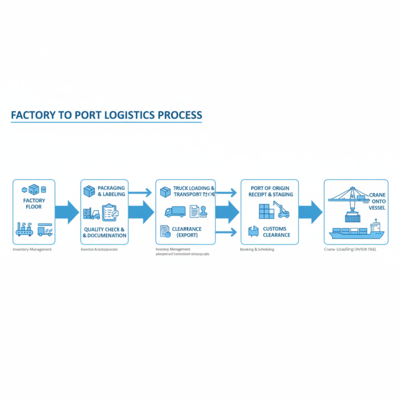
After the last stitch is made on a harness, our work is far from over. The journey from our factory floor to your warehouse has several critical steps. As a partner, you should know what these steps are so you can understand the timeline and what information we need from you. We see it as our responsibility to make this process as transparent as possible for our clients.
Here’s a look at our internal logistics flow:
| Stage | Our Action | What You Need to Do |
|---|---|---|
| 1. Final QC & Packing | We conduct a final inspection and pack your harnesses into durable, 5-ply cartons designed for international shipping. | Provide us with your "shipping marks4" (carton labels) early in the process. |
| 2. Freight Booking | We send the order weight and volume to our freight forwarder to book space on a ship or airplane. | Confirm your preferred shipping method (sea or air) and provide your final delivery address. |
| 3. Inland Transport | We arrange for a truck to transport the container from our factory to the port (e.g., Ningbo or Shanghai). | Be ready for updates on the vessel's departure schedule. |
| 4. Customs & Loading | We handle all the export customs paperwork on our end and ensure the goods are loaded correctly. | Nothing. This part is our job. |
| 5. Document Transfer | Once the vessel sails, we receive the Bill of Lading5 (B/L) or Air Waybill (AWB) and send copies to you. | You will use these documents to clear customs in your country. |
How Do You Choose Between Shipping by Sea or Air?
You need your products, but sea freight is too slow and air freight seems too expensive. Choosing the wrong method can either destroy your profit margins or make you miss a key sales season.
The most critical factor is the balance between cost and speed. Sea freight is the most economical choice for large orders where you have time. Air freight is much faster but more expensive, ideal for small orders or urgent restocks.
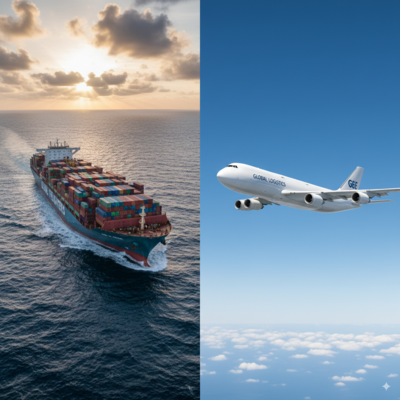
This is one of the most common strategic conversations I have with our partners. There is no single "best" way to ship; the right choice completely depends on your situation. A large, established distributor planning their inventory for next season has very different needs than a new brand trying to launch an innovative product as fast as possible. The key is to match the shipping method to your business goal for that specific order.
I often recommend a hybrid strategy for new product launches. We can ship a small portion of the first order by air—say, 10%—so you can get it into the market fast, start your marketing campaigns, and generate initial sales. The other 90% can follow by sea. This approach gives you the best of both worlds: early market entry and a low landed cost for the bulk of your inventory.
| Feature | Sea Freight | Air Freight / Express Courier |
|---|---|---|
| Cost | Very low cost per unit. | High cost per unit. |
| Speed | Slow. Typically 30-50 days transit time. | Fast. Typically 5-10 days transit time. |
| Best For | Bulk orders (e.g., over $10,000), planned inventory replenishment. | Small orders, samples, urgent restocks, new product launches. |
How Can You Help Your Supplier Ensure Timely Delivery?
You approved the order and now you are just waiting, hoping for the best. Delays happen, and you feel powerless, just waiting for bad news from your supplier about shipping issues.
Timely delivery starts with you. Provide all necessary information upfront, approve samples and artwork quickly, and confirm your shipping address and consignee details early. Clear communication and fast decisions on your end prevent the most common delays before the goods even leave the factory.

As an international buyer, you have a huge role to play in making sure your delivery is on time. From my side as the manufacturer, I can control the production schedule, but my logistics team cannot move forward without complete and accurate information from you. The buyers who experience the smoothest deliveries are the ones who are proactive and communicate clearly. They view the shipping process as a collaboration.
Here are the most important things you can do to help us ensure a timely delivery6:
- Be Clear and Correct: Provide your full and final delivery address, contact person, and phone number at the beginning of the order process. A small mistake in an address can cause huge delays at customs.
- Provide Information Promptly: We need your packaging artwork and shipping marks to finalize the order. The sooner you provide these, the sooner we can pack the goods and book the shipment.
- Understand Your Responsibilities: We provide the essential export documents, but you, the importer, are responsible for customs clearance and paying any duties or taxes in your country. Knowing your country's import rules and having a customs broker ready will make the process much smoother.
- Ask for Tracking: We will always provide you with a Bill of Lading and a link to track the vessel's journey. Being able to see where your shipment is provides peace of mind and helps you plan for its arrival.
Conclusion
Logistics is not just about moving boxes; it is a vital part of your supply chain. A great B2B manufacturing partner acts as your logistics coordinator, guiding you through the process. By communicating clearly and working together, you can find the right balance of cost and speed for your business needs.
Footnote:
Explore the significance of quality control in logistics to ensure your products meet standards before shipping. ↩
Learn about the crucial role freight forwarders play in ensuring your goods are shipped efficiently and safely. ↩
This resource will help you understand the advantages and disadvantages of each shipping method to make informed decisions. ↩
Learn about shipping marks and their role in ensuring your goods are correctly identified during transit. ↩
This resource will explain the Bill of Lading's role in shipping and why it's crucial for your logistics. ↩
Find out effective strategies to ensure your shipments arrive on time and avoid common pitfalls. ↩