Choosing an OEM partner feels like a gamble. A wrong choice means delays, quality issues, and lost profit. You need a better way to evaluate potential suppliers.
To compare OEM manufacturers, look beyond factory size and focus on communication, quality control systems, flexibility on MOQs1, and their IP protection policies2. The single most important factor is the quality of your sales contact.
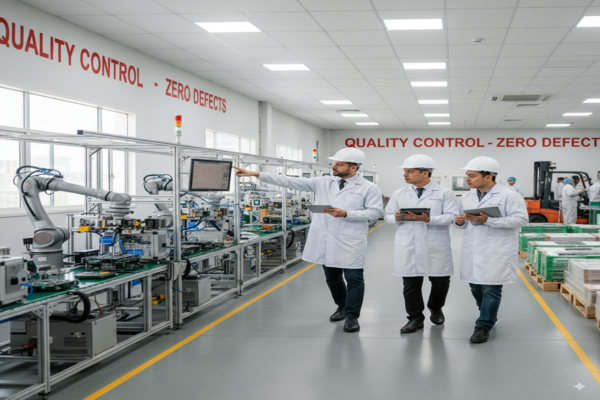
It’s easy to get lost in numbers—factory size, years in business, production capacity. I’ve seen beautiful factory reports hide terrible partners. Over my 11 years in this business, I've learned that the brochure doesn't tell the real story. The real value is in the partnership, and that starts with the people.
What key factors differentiate OEM manufacturers?
You're looking at spec sheets from three different factories. They all look the same. How do you possibly choose a winner when the real differentiators aren't on paper?
The main factor that sets great OEM manufacturers apart is the person you work with. A proactive, problem-solving sales contact who understands your market is far more valuable than a slightly larger factory or a marginally lower price.

Early in my career, I almost made a huge mistake judging a factory by its impressive machinery. But the sales representative was awful. He only answered direct questions and never offered a single suggestion. I switched to a smaller factory with a fantastic sales manager who immediately started suggesting material improvements. That's when I learned the most important lesson: you don't partner with a factory, you partner with its people. A good sales contact acts as an extension of your team. A bad one is just an obstacle.
The Problem Solver vs. The Order Taker
| The Order Taker (Creates Problems) | The Problem Solver (Your Strategic Partner) |
|---|---|
| Only quotes prices and processes orders. | Recommends products and features for your market. |
| Says "no" when you have a special request. | Finds a way to make your custom request work. |
| Hides problems until it's too late. | Proactively informs you of potential delays or issues. |
| Forwards your questions to engineering. | Understands the product and provides direct answers. |
A good sales contact saves you time, money, and stress. It is the single most critical factor in a successful OEM partnership.
How do you evaluate production capacity and lead times3?
A manufacturer promises huge capacity and fast lead times3. But missed deadlines can ruin your product launch and leave your customers waiting. You need a reliable timeline.
Evaluate capacity by asking for their current production schedule, not just their maximum output. For lead times, demand a detailed breakdown of each stage—from material sourcing to final inspection—and get it in writing.
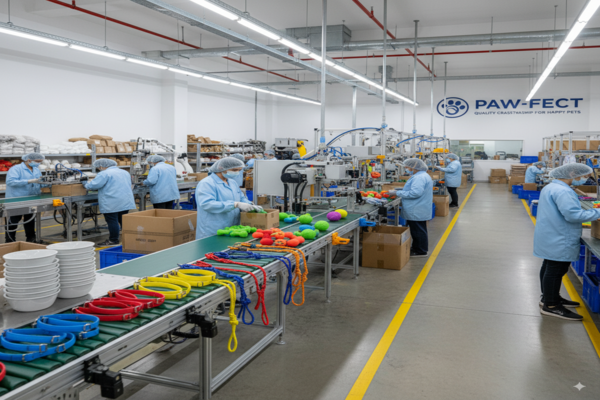
"We can make 50,000 harnesses a month" is a meaningless marketing number. That's their theoretical maximum. What you need to know is their actual capacity. Are they already running at 95%? If so, your order will face delays. I always encourage our partners to ask tough questions. A good partner will be transparent. We will tell you if a large order from another client might impact your timeline and we will plan accordingly. A factory that promises everything without showing you a realistic schedule is a major red flag. They are simply trying to win the order, not build a partnership.
Sample Production Timeline Breakdown
| Stage | Estimated Time | What to Look For |
|---|---|---|
| Pre-Production Sample | 7-14 days | Quick turnaround shows they prioritize your business. |
| Material Sourcing | 10-20 days | Do they have existing supplier relationships or start fresh? |
| Mass Production | 25-35 days | This should be the most predictable part of the process. |
| QC and Packing | 5-7 days | Rushing this stage is a sign of poor quality control. |
| Total Lead Time | 47-76 days | Is the total time realistic and guaranteed in your PO? |
Which quality control standards matter most?
Every factory website claims they have "strict quality control." But this vague promise means nothing when a pallet of defective harnesses arrives at your warehouse.
Look for manufacturers who follow specific, documented QC standards like ISO 9001. More importantly, ask about their process for material inspections, in-line production checks, and final random inspections based on an AQL (Acceptable Quality Limit)4 standard.
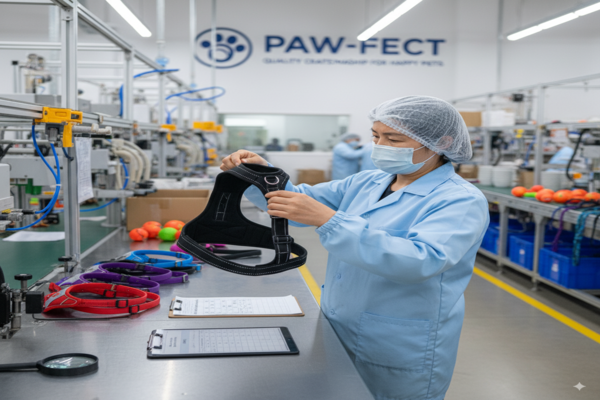
Quality isn't just a final check. It must be built into every step of the process. When a potential partner visits our factory, I don't just show them the finished products. I show them our material testing station where we check the tensile strength of our webbing. I show them our in-line inspection points where supervisors check stitching quality mid-production. And I explain our final AQL process, where we randomly inspect a percentage of every batch before it ships. We even welcome and pay for third-party inspection firms like SGS or Intertek. A manufacturer who is confident in their quality will be transparent about their process. One who just says "we have QC" is hiding something.
The Three Pillars of Effective QC:
- Incoming Quality Control (IQC): They must inspect all raw materials (webbing, buckles, D-rings) before production begins. This prevents systemic defects.
- In-Process Quality Control (IPQC): They must have checkpoints during assembly to catch errors early, preventing an entire batch from being made incorrectly.
- Final Quality Control (FQC): They must perform a final, statistically significant inspection based on a standard like AQL 2.5 to ensure the entire shipment meets your standards.
Why do MOQ and pricing flexibility impact partnerships?
You find a great manufacturer, but their high MOQ would tie up too much of your cash in a single product. You need a partner who can grow with you.
MOQ (Minimum Order Quantity) and pricing flexibility are direct indicators of a manufacturer's willingness to be a true partner. A good supplier offers tiered pricing and is open to lower MOQs on initial orders to help you test the market.
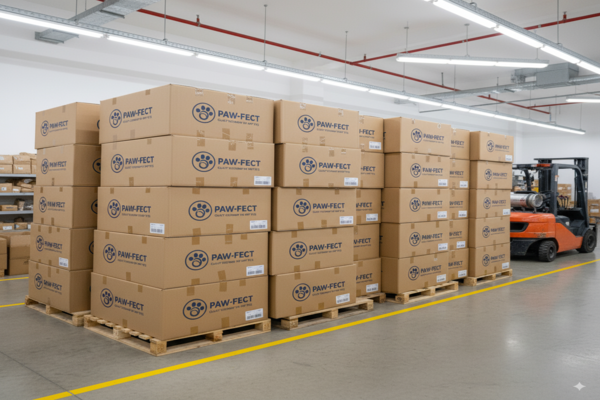
When I started BoonPets, my goal was to help businesses like yours succeed. That's why we don't operate with a rigid, one-size-fits-all approach. If a new partner wants to test a unique harness design but can't commit to 3,000 pieces, we'll work with them. We might propose a slightly higher unit price for a run of 500 pieces, with a clear path to a lower price once they scale up. A manufacturer that refuses to budge on MOQs for a new partner isn't interested in your growth; they're only interested in their own production efficiency. A flexible partner understands that your first successful order is the beginning of a long and profitable relationship for both parties.
How does IP protection affect OEM agreements?
You've spent months developing a unique harness design. What's stopping the manufacturer from selling your design to your biggest competitor after your first order ships?
Strong intellectual property (IP) protection is non-negotiable in an OEM agreement. A trustworthy manufacturer will readily sign a comprehensive NNN (Non-Disclosure, Non-Use, Non-Circumvention) agreement before you share any sensitive design files.

This is a matter of trust and professionalism. Any hesitation from a manufacturer to sign an NNN agreement is the biggest red flag you can find. It's an immediate deal-breaker. A legitimate OEM partner understands that your unique design is your competitive advantage, and they have a duty to protect it. At BoonPets, we treat our partners' designs with the same security as our own. We have clear internal protocols to ensure that custom designs are siloed and only accessible to the specific team working on that project. Your brand's future depends on your unique products, and your OEM partner must be your first line of defense in protecting them. If they aren't willing to legally commit to protecting your IP, walk away immediately.
Conclusion
Choosing the right OEM partner is the most important decision you'll make for your brand. Look past the factory photos and focus on finding a true partner—one with a great sales contact, transparent processes, and a flexible approach who is committed to protecting your intellectual property.
Footnote:
Discover how MOQ flexibility can enhance your partnership with suppliers and support your business growth. ↩
Understand the importance of IP protection policies to safeguard your designs and innovations. ↩
Explore the key factors that influence lead times and how to manage them effectively. ↩
Discover the significance of AQL in maintaining product quality and minimizing defects. ↩