
Your perfectly designed collars are finally produced. But now you face a maze of shipping quotes, customs forms, and potential delays that threaten to erase your profits before they even land.
The most effective way to streamline logistics is to partner with a good freight forwarder1. They act as your single point of contact, navigating everything from sea freight to customs clearance and final delivery for you.
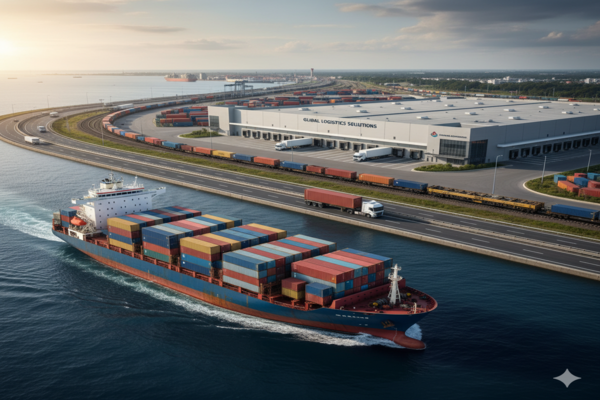
I've seen so many partners negotiate a great price for their products, only to lose all those savings on the journey from my factory to their warehouse. They get stuck trying to manage everything themselves. But the smartest partners I work with understand this: logistics is not a cost center; it's a competitive advantage. They don't try to become shipping experts. Instead, they find an expert partner to manage it for them. This shift in thinking is the first step toward building a truly scalable business.
What are the most cost-efficient shipping methods for bulk orders?
You need your products, but air freight is incredibly expensive. Sea freight is much cheaper but seems slow and complicated, leaving you stuck between a rock and a hard place.
For any order over a couple of hundred kilograms, sea freight offers huge cost savings. The key is to use the FOB (Free On Board)2 trade term with your supplier and hire a local freight forwarder to manage an end-to-end process.
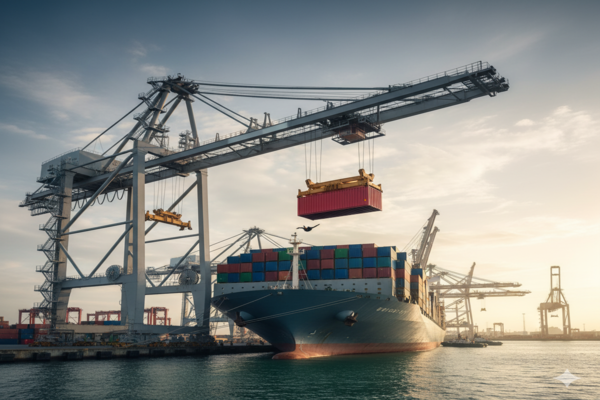
In international trade, you'll see a lot of terms, but FOB is the most common for a reason. Here’s what it means in simple terms: My responsibility as the manufacturer is to produce your goods and get them safely loaded onto the ship at my local port. Once the goods are "on board," the responsibility transfers to you. This is where your freight forwarder, or shipping agent, steps in. They are your logistics expert. You don't book the ship, you don't file the customs paperwork, you don't even arrange the truck at the other end. They do all of it. They give you one clear quote that covers the entire journey from the port to your warehouse door. This approach gives you the cost savings of sea freight without the logistical headaches. It’s the standard for a reason: it works.
Why does packaging optimization significantly reduce your freight expenses?
Your shipping bill came back shockingly high. The culprit wasn't just the weight of your products, but something called "dimensional weight," an invisible cost that inflated your freight charges.
Shipping carriers charge for the space your boxes take up (dimensional weight) if it's greater than the actual weight. By optimizing your packaging to be smaller and more compact, you can fit more products into a single shipment, drastically cutting your per-unit shipping cost.
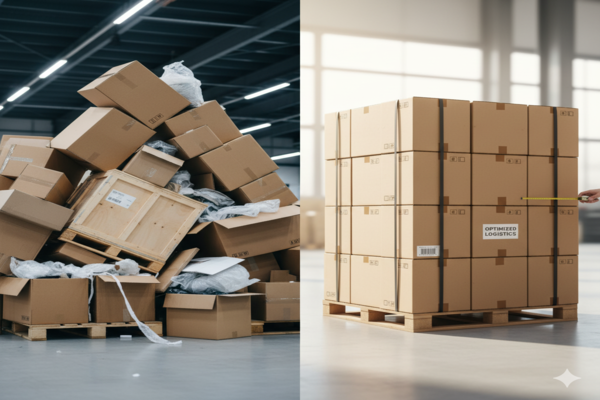
I had a partner whose shipping costs seemed way too high. We took a look at their packaging, and the collar was sitting in a box that was 50% empty space. The shipping company wasn't charging them for the weight of the collar; they were charging for the wasted air inside that box. This is a very common and expensive mistake. To fix this, we work with our partners to design packaging that is as tight and efficient as possible.
How We Optimize Packaging:
- Reduce Headspace: We design inner boxes and poly bags that fit the product snugly, eliminating empty air.
- Master Carton Planning: We calculate the most efficient way to arrange the inner boxes inside the larger shipping carton. This maximizes the number of units per carton.
- Lightweight Materials: We suggest durable but lightweight materials for packaging to keep the actual weight down.
This simple focus on efficiency can reduce your shipping volume by 20-30%. On a large order, that translates to thousands of dollars saved.
How can consolidating shipments lower your customs clearance costs?
You're ordering several different products from the same supplier. But because they ship separately as they're produced, you're paying multiple customs brokerage fees3 and dealing with constant paperwork.
Consolidating multiple smaller orders into one single, larger shipment means you only have to go through the customs clearance process once. This reduces fixed costs like brokerage fees, inspection fees, and port charges, lowering your overall landed cost.
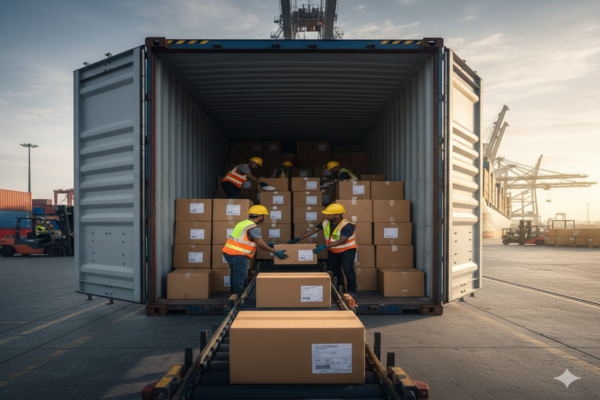
Think of customs clearance like paying for a single ticket to an event. Whether you bring one friend or five friends, you still only need that one ticket to get in the door. Customs works in a similar way. There are fixed fees for every single shipment that crosses the border, regardless of its size. This includes the fee your customs broker charges to file the entry, plus potential port and inspection fees. If you ship three small orders, you pay these fixed costs three times. If you work with us to hold those orders and combine them into one larger shipment, you only pay those costs once. This requires a bit of planning and a cooperative supplier, but the savings are significant. We regularly do this for our partners, storing their finished goods until their full order is ready. It's a simple service that directly increases their profit margin.
What technology is essential for real-time shipment tracking?
Your container is somewhere on the ocean, but you have no idea where. Your customers are asking for updates, and all you can tell them is "it's on the way," which damages your credibility.
Your freight forwarder will provide you with a Bill of Lading (B/L)4 number or container number. You can use this number on the websites of major ocean carriers (like Maersk or MSC) to see exactly where your container is in real-time.
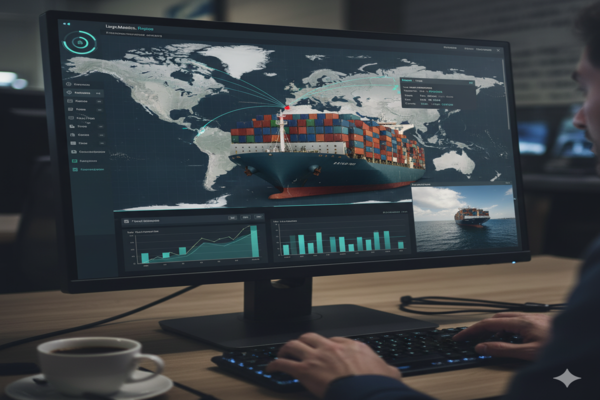
The feeling of not knowing where your multi-thousand-dollar investment is can be very stressful. Luckily, technology has made this part of the process incredibly transparent. Once your goods are on the ship, the logistics chain is almost entirely trackable. Your freight forwarder is your first point of contact and should provide you with regular updates. However, you can also track it yourself for direct peace of mind.
Key Tracking Tools:
- Carrier Websites: Every major shipping line has an online tracking portal. You just need your container number.
- Freight Forwarder Portals: Many modern forwarders have their own online platforms that consolidate all the information for you, including vessel location, customs status, and estimated arrival dates.
- Third-Party Tracking Sites: Websites like MarineTraffic show the real-time location of almost every commercial vessel on the planet.
This visibility allows you to plan your receiving, marketing, and sales pushes with much greater accuracy. It turns anxiety into action.
Conclusion
Streamlining logistics isn't about finding the cheapest quote. It’s about building an efficient system with the right partners, like a good manufacturer and a reliable freight forwarder. This approach saves you money, reduces stress, and gives you the control you need to scale your business effectively.
Footnote:
Understanding the role of a freight forwarder can streamline your logistics and save costs. ↩
Learn how FOB can optimize your shipping process and reduce costs. ↩
Understanding brokerage fees can help you reduce costs in your shipping process. ↩
Understanding the Bill of Lading is crucial for managing your shipments effectively. ↩