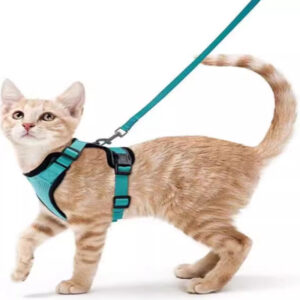
You found the perfect dog harness for your store, but the supplier hits you with a massive Minimum Order Quantity1 (MOQ). This ties up your cash in slow-moving inventory and stops you from testing new products. It feels like a roadblock to growth.
To negotiate a lower MOQ, you must understand why it exists and offer a win-win alternative. Propose paying a small surcharge, show a long-term purchasing plan, or be flexible with materials and customization. A good manufacturer values partnership over a single large order.

As a manufacturer, I get it. High MOQs can be a huge hurdle, especially for growing businesses. But from my side of the table, that number isn't arbitrary. It’s based on real-world costs and operational efficiency. For over 11 years, I've worked with hundreds of buyers, and the most successful partnerships are built on understanding each other's needs. I've seen partners successfully negotiate lower MOQs by being smart and collaborative. Let me share the strategies that actually work.
What Is an MOQ in Manufacturing?
You hear the term "MOQ" but aren't completely sure what it means. This makes you feel unprepared during negotiations, as if you're missing a key piece of the puzzle.
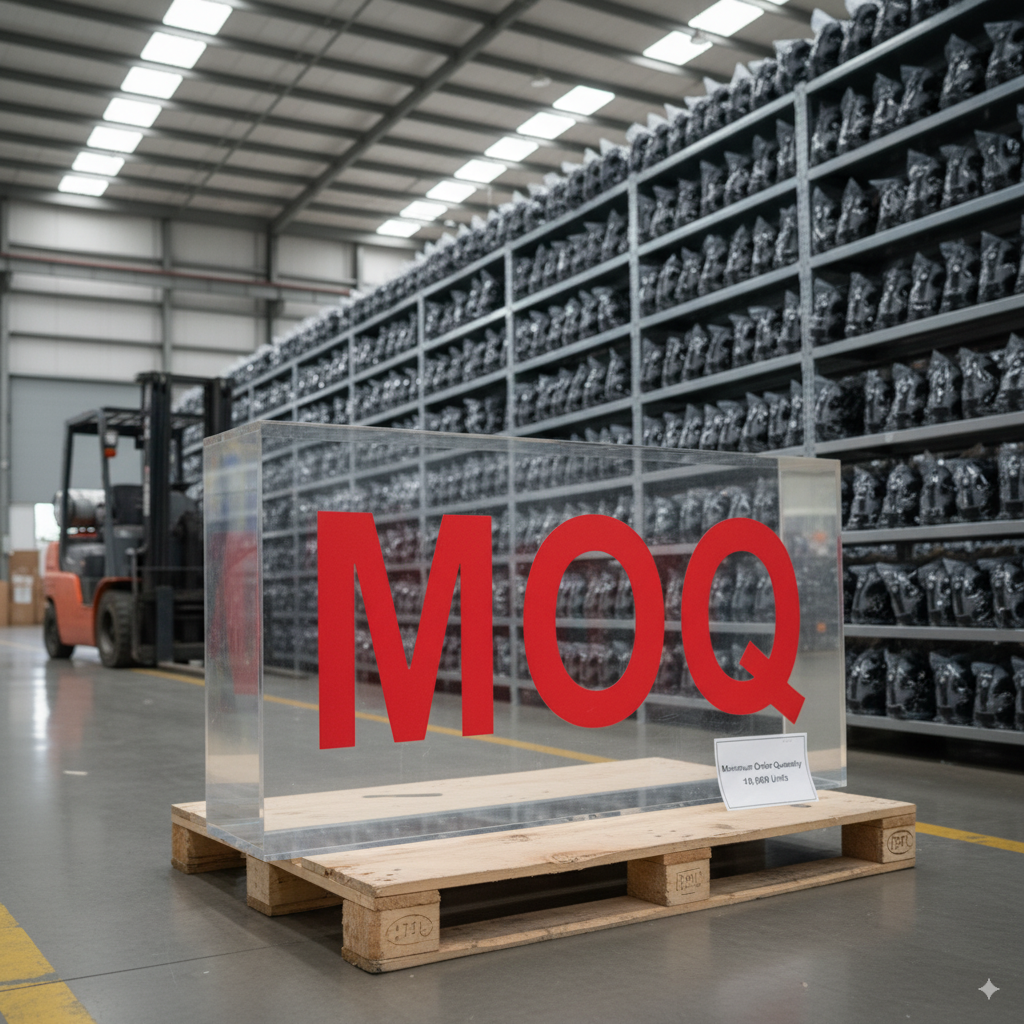
MOQ stands for Minimum Order Quantity. It's the smallest number of units a manufacturer will produce for you in a single production run. For instance, if a specific dog harness has an MOQ of 500 pieces per color, you must order at least that many.
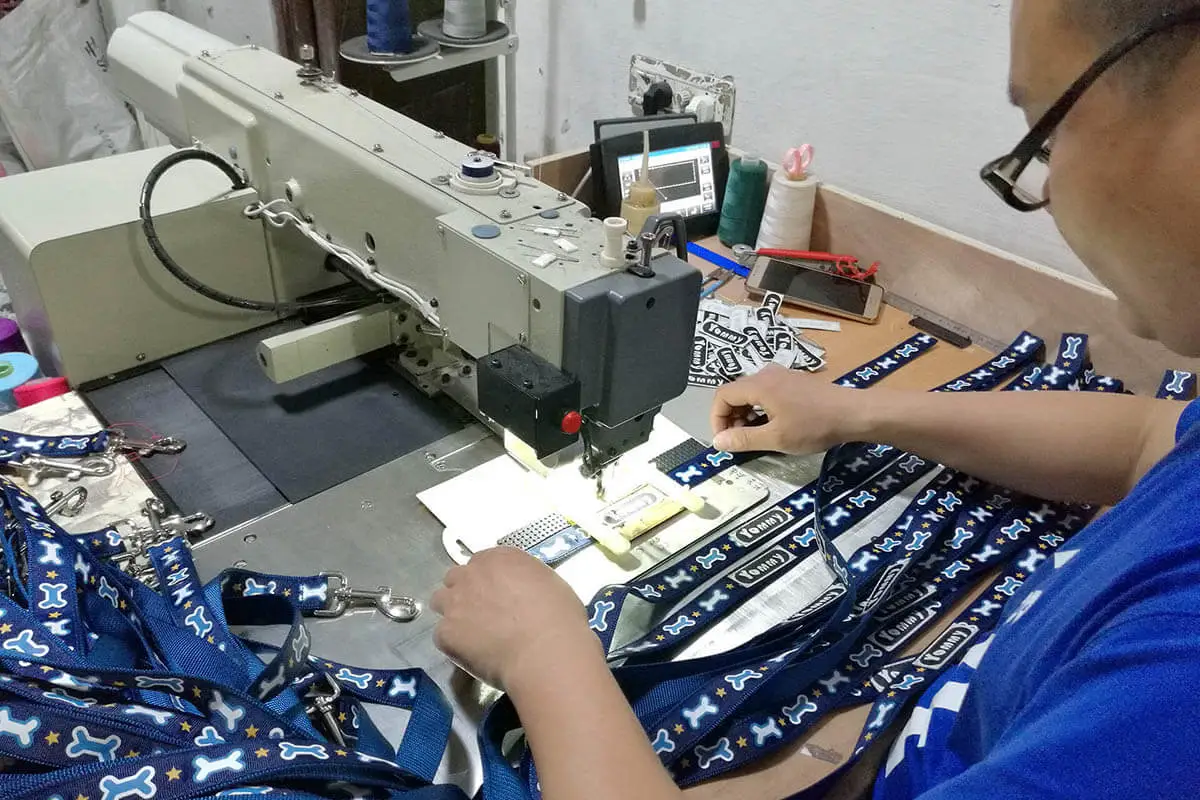
The MOQ is the manufacturer's break-even point for a specific order. Think of it like this: every time we start a new production run, we have several fixed costs that we have to cover before we even make the first product.
The Economics of a Production Run
Imagine we are setting up to produce an order of your custom-branded harnesses. Before the first harness is sewn, we have to:
- Set up the machines: This involves changing thread, adjusting stitch patterns, and calibrating equipment, which takes time and skilled labor.
- Prepare materials: We have to cut the specific webbing, dye fabrics to your custom color, and pull all the right hardware.
- Administrative work: We process the order, create production schedules, and prepare quality control checklists.
These are "setup costs2." If you order only 50 harnesses, the cost of all that setup is spread across just 50 units, making each one incredibly expensive. If you order 500, that same setup cost is spread across 500 units, making the per-unit price much more reasonable. The MOQ is simply the point where the per-unit price becomes viable for both of us.
Why Do Factories Have MOQs?
You feel that a factory's high MOQ is just a tactic to force you into a bigger order. It can feel like an unfair barrier designed to keep smaller businesses out of the game.
Factories set MOQs for very practical reasons. The most common is that their own raw material suppliers have MOQs. We also need to run our production lines efficiently and cover the costs of setup, making each production run profitable for the business.
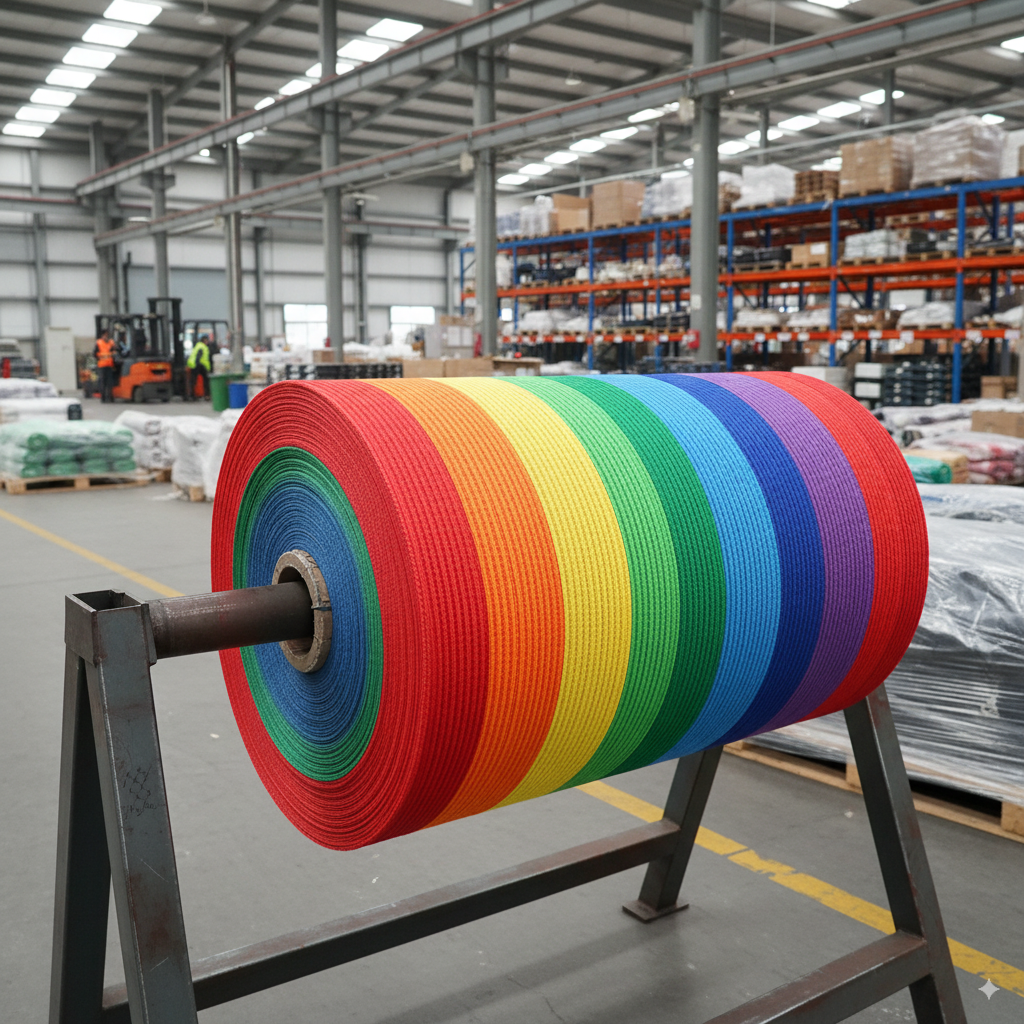
An MOQ isn't a negotiating tactic; it's a reflection of the manufacturing supply chain. When a partner asks me about our MOQ, I explain that it is influenced by several factors that are often outside of my direct control. Understanding these reasons is the first step to finding a creative solution together.
| Reason for MOQ | Explanation | Example |
|---|---|---|
| Raw Material MOQs | Our suppliers of webbing, buckles, and fabric have their own MOQs. We can't just order 100 buckles; we often have to buy 10,000 at a time. | A customer wants a unique Pantone-matched neon green webbing. The dye house requires us to order 1,000 meters of it. This becomes the basis for the harness MOQ. |
| Production Efficiency | Starting and stopping a production line is inefficient. It's much more cost-effective to run a machine for a full day producing one product than to switch setups every hour. | It takes our team one hour to set up the specialized sewing machines for a padded harness. That setup cost is the same whether we produce 100 harnesses or 1,000. |
| Shipping Costs | The cost to ship a small box internationally can be nearly the same as a much larger one. MOQs help ensure that shipping costs are a reasonable percentage of the total order value. | Shipping 50 harnesses might cost $200, adding $4 per unit. Shipping 500 harnesses might cost $400, adding only $0.80 per unit. |
How Can You Negotiate a Lower MOQ?
You need a smaller a quantity, but you're afraid the manufacturer will just say "no." You don't know how to start the conversation without sounding like a difficult or small-time customer.
Start by offering a solution, not just making a request. Show them you understand their position by suggesting options like accepting a longer lead time, being flexible on materials, or paying a small surcharge. This proves you are a strategic partner.
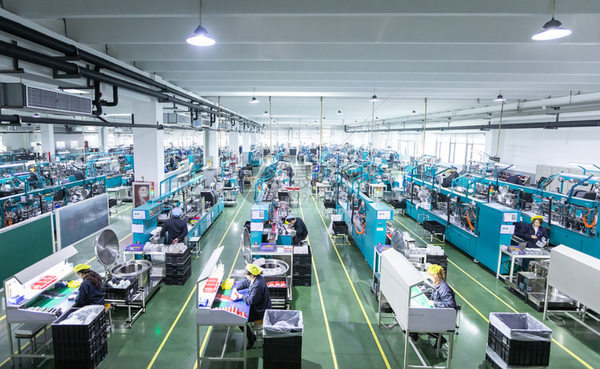
The best negotiations I've had were with partners who came to me with a plan. They didn't just ask for a lower number; they presented a business case. Here are the most effective strategies I've seen work time and again.
Be Flexible with Your Product
- Choose Standard Materials: The biggest driver of high MOQs is custom materials. If you need a very specific color or type of fabric, we have to order a large amount of it. Ask your supplier: "What materials do you have in stock or use regularly?" By choosing a standard black webbing instead of a custom-dyed one, you might be able to cut the MOQ in half.
- Modify an Existing Product: Designing a product from zero requires new patterns and tooling, which increases setup costs. Instead, ask the supplier: "Can we modify one of your existing products?" Making small changes to a proven design, like adding your logo or using a different D-ring, is much easier for a factory to accommodate with a lower MOQ.
Present a Long-Term Vision
- Show Your Forecast: Don't just place one small order. Present a plan. Tell your supplier: "My initial order will be 250 units, but my forecast is to order this quarterly. Can we work together on this?" This shows us you're a long-term partner. We might be willing to invest in holding some raw material stock for you, allowing you to place smaller, more frequent orders.
What Is the MOQ Surcharge?
You've successfully negotiated a lower MOQ, but now the manufacturer mentions a "surcharge." You worry this is a hidden fee designed to penalize you for a smaller order.
An MOQ surcharge is a fair and transparent way for a factory to cover its fixed costs on a smaller-than-usual production run. It's not a penalty, but rather a simple price adjustment that makes the small order financially viable for them.
Think of the surcharge as buying your way out of the standard MOQ. When a partner needs an order that is below our normal break-even point, a surcharge is the best solution. It allows me to say "yes" to their request without my business losing money on the production run. It's a classic win-win scenario.
How It Works
Let's say the standard MOQ for a harness is 500 units at $10 each (Total: $5,000). You only need 300 units.
- The Problem: At 300 units, my fixed setup costs per unit are too high, and I would lose money.
- The Solution: I might offer you the 300 units but at a price of $11 each (Total: $3,300).
- The "Surcharge": That extra $1 per unit ($300 total) helps me cover the same fixed costs I would have for a 500-unit run.
When you ask for a lower MOQ, you can be proactive and suggest this yourself. You can say, "I understand a smaller order is less efficient for you. Would you be open to a small price increase to make a 300-unit order work?" This shows you are a savvy and reasonable partner.
How Do You Manage Supplier Relationships for Long-Term Value?
You've found a good supplier, but you treat each transaction as a one-off negotiation. This creates a tense, adversarial relationship where you're always fighting over price and terms.
Build a strategic partnership, not a transactional relationship. Communicate openly, share your business goals, pay your invoices on time, and provide constructive feedback. A supplier who feels valued will go the extra mile for you with better terms, priority production, and new product ideas.

The best partners I work with at BoonPets are the ones who treat me like part of their team. They understand that our success is linked. They loop me in on their marketing plans, share customer feedback (both good and bad), and work with me to solve problems. In return, I prioritize their orders, give them first access to my new designs, and work with them creatively on things like MOQs. A strong relationship is the most powerful negotiating tool you have. It turns "Can you do this for me?" into "How can we make this work together?" This simple shift in mindset can unlock incredible value and make your supply chain a true competitive advantage3.
Conclusion
Negotiating lower MOQs is not about tricking your supplier; it's about building a partnership. By understanding their costs, being flexible, and showing your long-term value, you can get the smaller quantities you need to grow your business without tying up all your cash in inventory.
Footnote