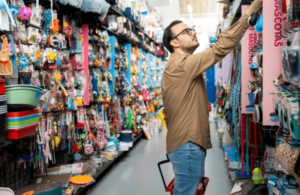
Retail buyers often focus solely on the export price, but ignoring the scale of China’s domestic market1 is a strategic error. The sheer volume of internal consumption here drives the manufacturing innovation2, cost efficiencies, and material standards that directly impact the products you put on your shelves in Europe or North America.
The Chinese pet market reached approximately $90 billion (USD) in 2025 and continues to grow at a double-digit pace. For procurement professionals, this massive size indicates a mature supply chain capable of high-volume production, rapid prototyping, and sophisticated design, moving far beyond the "cheap labor" stereotype of the past.
Understanding these numbers provides the context, but the real value lies in how this growth changes the factory floor. When domestic demand is high, manufacturers invest in better machinery. This investment benefits international partners like you.
How does the overview of the Chinese pet market size and growth trends affect your margins?
Seeing the rapid expansion of the pet sector in China should trigger one specific thought for a procurement manager: leverage. A growing market means we have a stronger infrastructure that supports both domestic and international needs.
Reliable market data suggests the sector is expanding by over 15% annually, driven by urbanization and rising disposable incomes3. This growth creates a massive ecosystem of raw material suppliers and logistics networks. For an international buyer, this creates stability. You are not buying from a desperate cottage industry. You are sourcing from a robust industrial powerhouse.
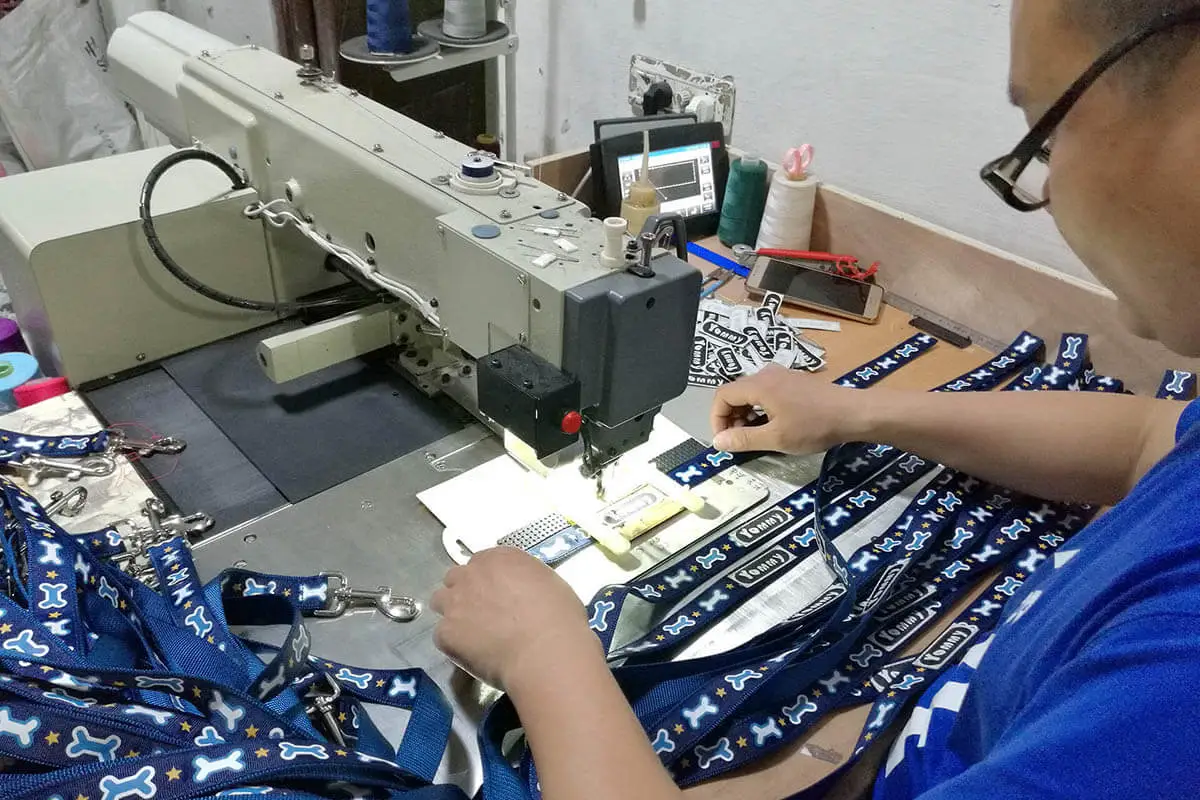
Let’s look at exactly how this market volume translates into tangible benefits for your procurement strategy. A $70 billion market creates a "playground" for manufacturing efficiency. Because factories like ours produce huge volumes for the local market alongside export orders, we achieve economies of scale that smaller manufacturing hubs cannot match.
Specifically, this impacts three key areas of your business proposal:
| Impact Area | Benefit for Distributors/Retailers | Why This Happens |
|---|---|---|
| Raw Material Costs | Lower unit prices for nylon, leather, and hardware. | High domestic demand allows us to buy materials in massive bulk, passing savings to export clients. |
| Machinery Upgrades | Higher consistency and durability. | The market profit funds automated sewing and laser-cutting tech, reducing human error. |
| Supply Chain Resilience | Reduced risk of material shortages. | A deep ecosystem of local sub-suppliers means we rarely run out of core components like buckles or webbing. |
At Boonpets, we see this daily. Our ability to offer low Minimum Order Quantities (MOQs) to partners like you is directly supported by the constant flow of material we handle for the broader market. The domestic volume keeps the machines running, which lowers the overhead cost for your specific custom order. This is the hidden advantage of sourcing from a high-growth region.
What do consumer demographics and ownership patterns tell us about future product trends?
If you want to know what European pet owners will want in two years, look at wealthy Chinese Gen Z pet owners today. They are redefining "premium" by demanding goods that treat pets as actual family members, pushing factories to innovate faster.
The driving force behind Chinese market growth is the "humanization" of pets, led primarily by owners under 35 living in Tier 1 cities. These consumers demand human-grade materials, sustainable fabrics, and smart functionality. This pushes manufacturers to upgrade quality standards, ensuring the goods available for export meet or exceed Western expectations.

We need to analyze the mindset of this demographic because it dictates the quality of the production lines available to you. In China, 45% of pet owners are born after 1990. They do not want generic red collars. They want breathable mesh, reflective stitching for night safety, and eco-friendly dyes.
This shift forces a manufacturer to change their entire approach. Ten years ago, a factory might have focused on making the cheapest possible nylon strap. Today, to survive in the local market, that same factory must produce gear that is comfortable, non-toxic, and fashionable.
This works in your favor. When you ask me for a unique, design-forward harness to differentiate your brand from Amazon basics, I don't have to build a new supply chain. I can leverage the materials and designs we already developed for these demanding local consumers.
- Higher Quality Baseline: The "standard" quality has risen. Flimsy clasps do not sell here anymore, so we don't stock them.
- Design Velocity: Young consumers get bored easily. This forces us to release new patterns and models seasonally, giving you a fresh catalog to choose from without paying for your own R&D.
- Safety Focus: These owners read labels. They demand non-toxic certifications. This aligns perfectly with your need to meet strict EU or US safety standards.
Which market segmentation and emerging niches offer the best ROI for importers?
While pet food remains the largest slice of the pie, the highest margins for retailers often lie in the exploding "supplies and accessories" category. This segment allows for branding, design differentiation, and higher markups compared to commoditized consumables.
The "Pet Walking & Safety" category (leashes, harnesses, collars) and "Smart Pet Tech" are the fastest-growing non-food segments. For a distributor, these categories offer the best balance of shipping density (high value per cubic meter) and low spoilage risk, unlike food products.
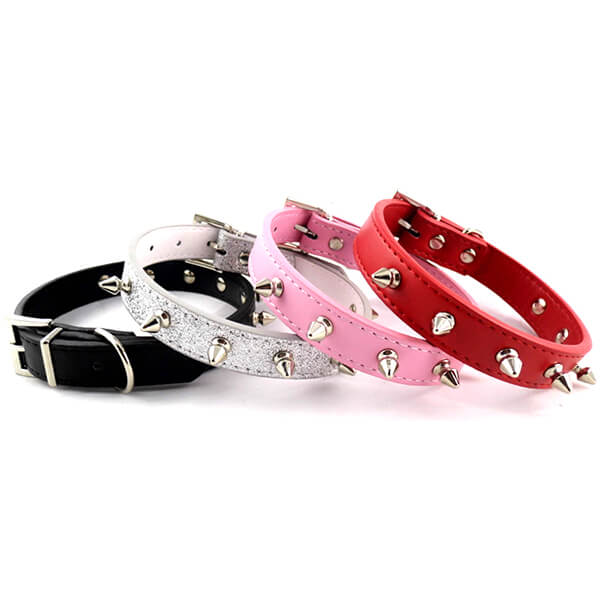
Let’s break down where the profit potential exists. Sourcing generic tennis balls is a race to the bottom on price. The real opportunity lies in "functional fashion" and specialized gear. Based on our export data and local production trends, here is where smart procurement managers are placing their bets.
1. The "Adventure" Segment Outdoor gear is massive. We are seeing huge demand for heavy-duty tactical harnesses, shock-absorbing bungees, and waterproof materials.
- Why it wins: It commands a high retail price point.
- Boonpets value: We test these products for tensile strength. We know they hold up because we use reinforced stitching patterns developed for this exact niche.
2. The "Apparel-Match" Segment This is where the collar matches the leash, which matches the waste bag holder.
- Why it wins: It increases the Average Order Value (AOV). A customer comes for a collar but buys the full set.
- Boonpets value: We offer full collection manufacturing. You can order a cohesive look across five different product types with one supplier.
3. "Enrichment" Tools Snuffle mats and slow feeders are moving from "niche" to "standard."
- Why it wins: It solves a behavioral problem for the customer (boredom/anxiety).
- Boonpets value: We use safe, felt-based materials and intricate designs that are hard to copy cheaply.
By focusing on these segments, you avoid the trap of selling commodities. You offer solutions—safety, style, and mental health for the pet.
Does the regulatory environment impact your risk when entering the Chinese market?
Stricter local manufacturing laws are actually a safety net for international buyers. The days of unregulated production are fading, replaced by a system that rewards compliant, transparent factories and penalizes the "fly-by-night" operations.
China is implementing rigorous standards like the GB (Guobiao) codes for pet product safety, covering everything from textile durability to chemical composition. sourcing from a factory that adheres to these domestic standards significantly lowers your liability risk when importing to strict markets like the EU or USA.
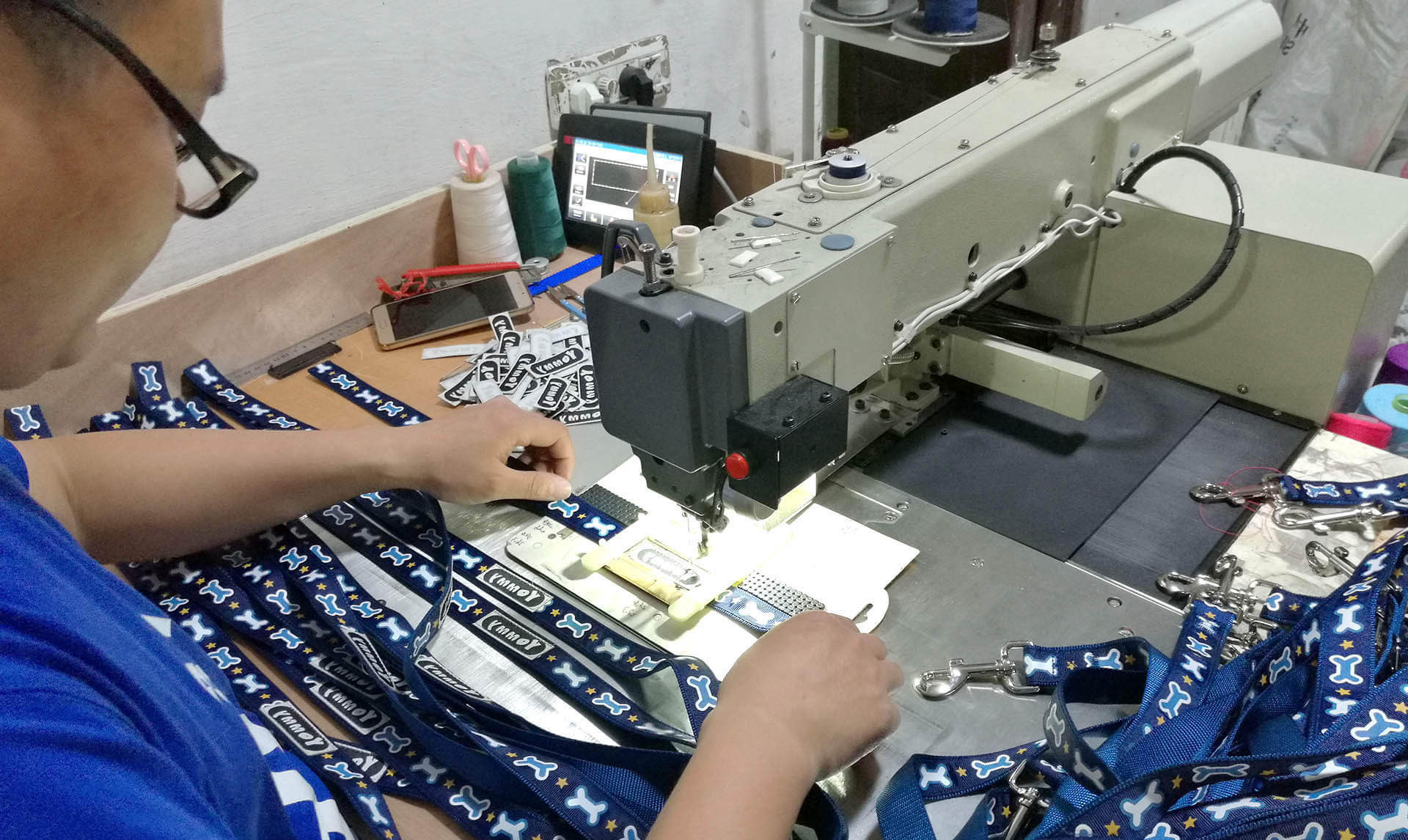
You cannot afford a product recall. It damages your brand reputation instantly. Understanding the regulatory environment here helps you vet suppliers. A factory that complains about local regulations is a red flag. A factory that embraces them is a partner.
At Boonpets, we treat these regulations as the baseline, not the ceiling.
- Chemical Safety: Regulations now limit formaldehyde and azo dyes in textiles. When we comply with Chinese GB standards for textile safety, we are often automatically meeting a huge portion of REACH (EU) requirements.
- Social Compliance: The government is stricter on labor practices and environmental protection. Factories are shut down if they don't have proper water treatment for dyeing facilities.
- Verification: You should ask for proof. Reliable suppliers provide third-party lab reports (SGS, TUV, or Intertek).
When we discuss a contract, I encourage you to ask about our environmental compliance. It is not just about being "green"; it is about business continuity. Factories that ignore regulations get shut down without warning, leaving you with empty shelves. Our adherence to these laws is your insurance policy against supply chain disruption.
How do distribution channels and retail landscapes shape opportunities for distributors?
The dominance of e-commerce in China serves as a massive testing ground for product viability before you ever place an order. If a product survives the intense competition of Alibaba’s Tmall or JD.com, it has already been "market-proven" regarding design and durability.
China creates the world’s most advanced e-commerce ecosystem4, where trends move at lightning speed. For an international distributor, this means your supplier is accustomed to rapid fulfillment, dropshipping capabilities, and the need for high-quality packaging that survives shipping—skills that transfer directly to your business model.
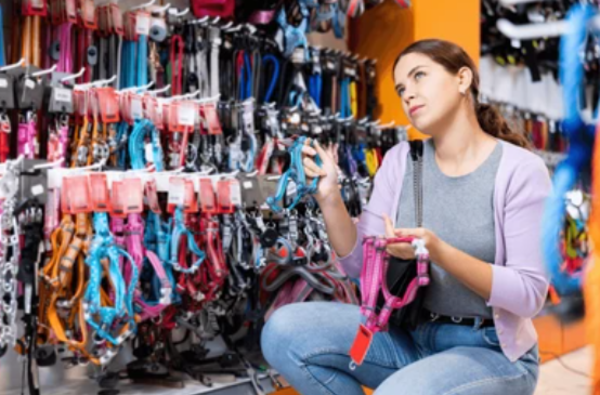
The retail landscape here is a crystal ball for the future of global retail. Livestream shopping and "C2M" (Consumer to Manufacturer) models cut out the middleman. This pressure forces manufacturers like us to be incredibly agile. We cannot wait six months to develop a product. We have to do it in weeks.
How does this help you, the Procurement Manager?
1. Speed to Market Because we are used to the pace of domestic e-commerce, we can prototype your custom designs faster than factories in less developed manufacturing regions. Speed is your competitive advantage against giants like Chewy.
2. Packaging Expertise Domestic shipping in China is rough. We have learned exactly how to package leashes and harnesses so they arrive pristine. We apply this same logic to your ocean freight or air cargo, reducing damage rates.
3. Data-Driven Manufacturing We see what sells online in real-time. If we see a spike in "neoprene padded handles" in the domestic market, we suggest this upgrade to you immediately. You get market intelligence included with your manufacturing contract.
You are not just buying a product; you are buying the agility of a supplier who survives in the world’s most competitive retail environment.
What strategic insights for sourcing and risk mitigation should you apply immediately?
To secure high-margin accessories and reduce inventory risk, you must move beyond a transactional relationship and build a strategic partnership. The goal is to gain transparency into the production process so you can predict outcomes rather than react to problems.
Successful procurement in China requires a "trust but verify" approach combined with diversified sourcing. Focus on suppliers who own their production lines rather than trading companies, negotiate based on total value (quality + reliability) rather than just price, and insist on clear quality control protocols before shipping.

Let’s turn this into an action plan for your next board meeting or supplier review. You need to expand high-margin categories, and you need to sleep well at night knowing the container will arrive.
Step 1: Define "Quality" clearly. Do not say "good quality." That is subjective. Specify: "Nylon webbing must not pill after 500 rubs," or "D-rings must be welded." At Boonpets, we appreciate this detail. It makes our job easier and ensures you get exactly what you want.
Step 2: Diversify within the partner. Instead of finding five different factories for five products, find one capable factory (like us) that can handle multiple SKUs (collars, leashes, harnesses, mats). This consolidates your logistics, lowers your admin costs, and makes you a "VIP client" with higher priority during peak seasons.
Step 3: The "Sample First" Rule. Never commit to a full run without a "golden sample." We provide samples because we want you to touch the material. Pull on the stitching. Wash it. If a supplier hesitates to send a sample, walk away.
Step 4: Understand the Tier System. China has different manufacturing tiers5.
- Tier 1: High-tech, focused on export quality (Boonpets fits here).
- Tier 2: Domestic focused, decent quality, lower service.
- Tier 3: Cheapest price, high risk, no service.
Your goal is to differentiate your brand. You cannot do that with Tier 3 goods. You need a Tier 1 partner who understands branding, packaging, and consistency.
Conclusion
The immense size of the Chinese market is your greatest asset, providing the infrastructure for scalable, innovative, and cost-effective manufacturing. By partnering with a factory that understands both local agility and international standards, you secure the quality and reliability needed to grow your brand.
Footnote:
Learn how China's vast domestic market impacts global supply chains and procurement strategies. ↩
Discover cutting-edge manufacturing innovations in China that can enhance your product offerings. ↩
Gain insights into how increasing disposable incomes drive consumer spending in the Chinese market. ↩
Learn how China's advanced e-commerce ecosystem sets trends for global retail strategies. ↩
Explore the different manufacturing tiers in China to identify suitable partners for your business. ↩