
Are you worried about relying too much on China for your pet products? Geopolitical shifts and rising costs are making many business owners nervous. Shifting your supply chain feels like a huge risk.
No, Vietnam cannot fully replace China in the pet industry, at least not anytime soon. While it's a strong alternative for manufacturing, China's complete supply chain for raw materials, from fabrics to hardware, gives it a powerful advantage that is very difficult to replicate.
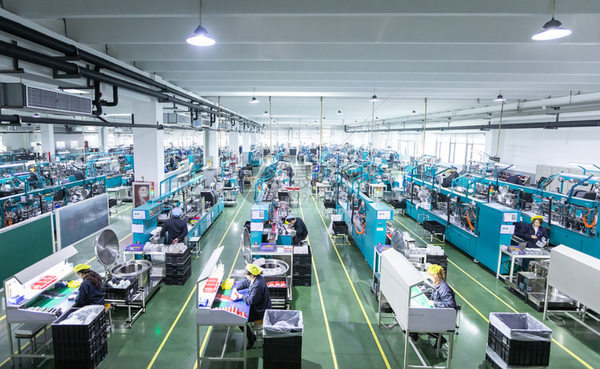
I talk to business owners and procurement managers like you every week. Many are looking at their supply chains and asking this exact question. They see the news about companies moving production and wonder if they should be doing the same. But the situation is more complex than just packing up and moving to a new country. To make the right choice for your brand, you need to understand the real strengths and weaknesses of both manufacturing giants. Let’s break it down so you can see the full picture.
Is Manufacturing Really Moving Away From China to Vietnam?
Are you seeing your competitors move production to Vietnam? It’s easy to feel pressure to follow the trend, but you worry about making a costly mistake. Don't get left behind or jump too soon.
Yes, some manufacturing, especially for labor-intensive assembly, is moving from China to Vietnam. This is part of a China+1 strategy1 where businesses diversify to lower risks. However, it's more of a strategic shift than a total replacement, with most companies keeping a strong foothold in China.
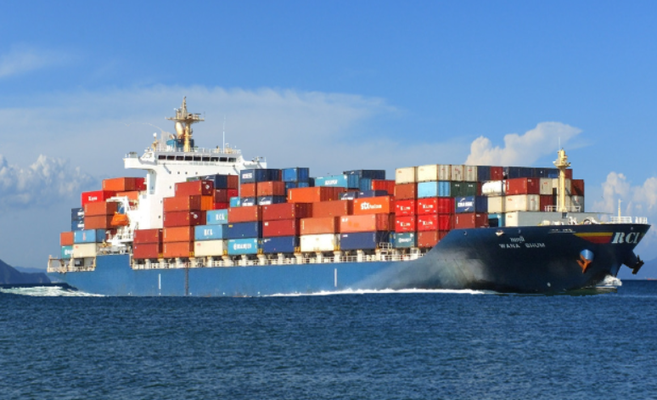
Over the last decade, I’ve seen this trend grow firsthand. It’s not about abandoning China entirely. For smart businesses, it’s about building resilience.
The "China+1" Strategy in Action
The strategy is simple: instead of relying on one country, you add a second manufacturing base. This spreads your risk. If one country faces lockdowns, trade disputes, or shipping delays, you have a backup. After the supply chain shocks of the last few years, nobody wants to have all their eggs in one basket. This is the main driver behind the shift. Companies aren't just leaving China; they are expanding their options to include places like Vietnam.
Key Reasons for the Shift
The move is usually driven by a few key factors. Lower US tariffs on Vietnamese goods is a big one, making it a more attractive export base for the American market. But there are other forces at play.
| Factor Driving Decisions | Why Businesses Move to Vietnam (The "+1") | Why Businesses Stay in China (The Main Base) |
|---|---|---|
| Tariffs | Lower tariffs for US-bound goods | Mature and efficient global export network |
| Risk Management2 | Diversifies the supply chain against disruption | Unmatched infrastructure and political stability |
| Manufacturing Costs | Historically lower labor and land costs | Highly skilled, productive, and efficient workforce |
| Market Access3 | Gateway to the fast-growing Southeast Asian market | Direct access to the huge Chinese domestic market |
Are Products Made in Vietnam Actually Better Than Those from China?
You need high-quality products to protect your brand’s reputation. The thought of moving to a new country often comes with the fear of dropping quality standards. This can stop you from finding a better partner.
Product quality is not determined by the country, but by the individual factory and its management. Both China and Vietnam have world-class factories and very poor ones. The key is to find a partner with strong, verifiable quality control "Quality Control4 systems, no matter their location.

I’ve spent over a decade visiting and vetting factories across Asia. Trust me when I say you can find excellence and disaster in any country. It's dangerous to think "Made in China" or "Made in Vietnam" means a specific level of quality.
Quality is About the Factory, Not the Flag
What truly determines the quality of your pet leash or snuffle mat comes down to the factory’s internal systems. You must look past the country and focus on the details of the specific facility. Ask them about their processes, their worker training programs, and their material sourcing policies. A great factory will be proud to show you.
What Really Matters for Quality
Here’s what I look for when I'm evaluating a potential manufacturing partner, whether they are in Dongguan, China, or Ho Chi Minh City, Vietnam.
- Management & QC Systems5: Do they have ISO certifications6? More importantly, do they have a dedicated quality control team that checks products at every stage of production, not just at the end?
- Worker Skill: Making a durable dog harness requires precise, strong stitching. Assembling a complex collar requires attention to detail. The skill and training of the workforce are critical.
- Material Sourcing: This is where the difference between the two countries often appears. A Vietnamese factory might offer great assembly, but where do they get their high-grade nylon webbing or their custom-molded buckles? Often, they still have to import these crucial components from China. This adds time, cost, and another potential point of failure to your supply chain.
Why Can't Vietnam's Supply Chain Compete with China's?
You're thinking about moving assembly to Vietnam to save money. But what happens if that Vietnamese factory just imports all the parts from China anyway? You could be adding another step and more potential delays.
China has a complete industrial ecosystem built over decades. From processing raw materials to creating finished components like buckles and clasps, everything is available locally and quickly. Vietnam’s supply chain is still developing and often depends on importing these semi-finished goods directly from China.
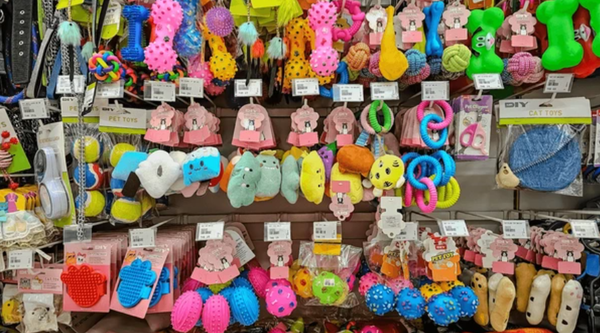
This is the single biggest reason why Vietnam cannot simply replace China. Manufacturing isn't just about putting things together. It's about having access to a deep and integrated network of suppliers for every single component.
The Power of China's Industrial Clusters
In China, entire cities and regions specialize in specific industries. There are "textile towns," "hardware cities," and "plastics hubs." For us in the pet industry, this means a factory in one area can source high-quality fabric, metal D-rings, and plastic buckles from suppliers just a short drive away. This vertical integration7 creates incredible speed and efficiency. If I need a custom-designed buckle for a new collar line, a Chinese partner can have prototypes made in days because the mold-maker, plastic injector, and assembly plant are all part of the same local ecosystem.
Vietnam's Dependency on Chinese Imports
Vietnam's strength is in assembly—the labor-intensive part of production. But the journey of your product often starts long before that.
| Supply Chain Element | China's Advantage | Vietnam's Current State |
|---|---|---|
| Raw Materials | Fully integrated domestic supply of fabrics, plastics, etc. | Heavily reliant on imports, often from China. |
| Components | A huge network of specialized suppliers for every part. | A developing network, but with limited options. |
| Logistics | World-class ports and an extensive internal network. | Good infrastructure, but smaller scale and less developed. |
| Lead Times8 | Very fast due to the integrated and local supply chain. | Slower, as they often have to wait for imported parts. |
Transferring this entire industrial chain is not something that can be done in a few years. It takes decades of investment and development.
Does China Actually Own the Factories in Vietnam?
You've found what looks like a great factory in Vietnam. But who is really behind it? You worry that you are just dealing with a Chinese company's subsidiary, without gaining true supply chain independence9.
Yes, a significant number of factories in Vietnam are owned or funded by Chinese companies. Chinese manufacturers are also using the "China+1" strategy, moving parts of their production to Vietnam themselves to take advantage of lower tariffs for U.S. exports and to diversify their operations.

This is one of the most important things to understand. The line between "Made in China" and "Made in Vietnam" is often blurry.
The Hidden Limits of Vietnam
While Vietnam is a great option, it has limitations. The rush to move production there has caused some growing pains. The cost of labor and industrial land10 has been rising quickly, closing the gap with some regions in China. Its advantages aren't as clear-cut as they were five years ago.
A Question of Scale
The biggest limitation is physical size. Vietnam has a population of around 100 million people and a limited amount of industrial land. China's population is 1.4 billion. Vietnam simply does not have the workforce or the space to absorb all of China's massive manufacturing capacity. It can only ever take a portion of it. This ensures that while Vietnam will continue to grow as a manufacturing hub, it will coexist with China rather than replace it. So, when you partner with a factory in Vietnam, it's essential to ask about its ownership and, critically, where it sources its raw materials. You may find your supply chain still begins in China, even if the final product is assembled just across the border.
Conclusion
Vietnam is a strong and growing force in pet product manufacturing, but it is not a replacement for China. For your business, the best path forward is a balanced "China+1" strategy.
Footnotes:
Understanding the China+1 strategy can help you navigate supply chain decisions and mitigate risks effectively. ↩
Learn about effective risk management strategies that can safeguard your business against disruptions. ↩
Understand the market access benefits that Vietnam offers for businesses looking to expand in Southeast Asia. ↩
Explore best practices in quality control to ensure high standards in your manufacturing processes. ↩
Explore this resource to understand effective QC systems that ensure product quality and reliability in manufacturing. ↩
Understanding ISO certifications is crucial for ensuring quality control in manufacturing, helping you choose reliable partners. ↩
Understanding vertical integration can help you grasp how companies streamline production and improve efficiency. ↩
Understanding lead times is crucial for optimizing production efficiency and meeting market demands. ↩
Discovering ways to achieve supply chain independence can enhance your business resilience and reduce risks. ↩
Learning about industrial land pricing can inform your decisions on where to establish manufacturing operations. ↩