Feeling like your products are lost in a sea of big names? Those dominant brands seem to have an unbreakable hold on the market, leaving you fighting for attention and shelf space.
Top brands succeed by building a powerful brand identity for a specific customer, innovating with purpose-driven materials1, and creating a seamless user experience. This focus builds deep loyalty that goes far beyond a simple product purchase, creating a defensible market position.
Understanding their formula is the first step to building your own successful brand. As a manufacturer for over 11 years, I've worked with partners in over 30 countries and have seen these patterns firsthand. I've watched smaller partners grow into local leaders. They don’t just buy products; they build a vision. Let's break down exactly what makes these leaders tick and how you can apply their strategies to your own business, starting today.
Why Do Brands Like Ruffwear and Kong Dominate the Market?
Do you see competitors owning all the prime shelf space? Their marketing seems massive, making it feel impossible to compete. But their power comes from a clear, unwavering brand promise, not just big budgets.
These brands dominate because they solve one specific problem exceptionally well. Ruffwear masters outdoor performance. Wild One owns the minimalist urban aesthetic. Kong is synonymous with indestructible durability. Their success rests on absolute brand clarity and product excellence.
Dive Deeper: The Blueprint of Market Dominance
In my experience, the most successful brands don't try to be everything to everyone. They achieve dominance through what I call "Category Ownership." They pick a niche, understand the customer inside and out, and build their entire product line and marketing around that single idea. It's a powerful and focused strategy. We can break this down into three key areas that you can apply.
H3: The Unbreakable Brand Promise
A brand's promise is its commitment to its customer. The product must deliver on that promise every single time. Kong promises durability, so their rubber toys are engineered to withstand the strongest chewers. If they released a flimsy plush toy under the same branding, it would instantly erode trust. The product is the promise.
H3: Consistency is King
Dominant brands repeat their core message everywhere. It's on their packaging, their website, their social media, and in their product descriptions. This consistency builds powerful brand recognition. When a customer thinks "tough toy," they think "Kong." When they think "outdoor dog gear," they think "Ruffwear."
| Brand | Core Promise | Target Customer | Product Example |
|---|---|---|---|
| Ruffwear | Performance & Adventure | The Outdoor Enthusiast | Front Range™ Harness |
| Wild One | Modern & Minimalist | The Urban Pet Owner | The Walk Kit |
| Kong | Indestructible & Engaging | The Power Chewer's Owner | KONG Classic Toy |
| West Paw | Sustainable & Safe | The Eco-Conscious Owner | Zogoflex® Toys |
This focus makes buying decisions easy for customers and builds incredible loyalty.
How Can You Map Top Brands to Key Customer Types?
Does your product catalog feel unfocused? You might offer a bit of everything, but this can confuse customers who don't see a clear solution for their specific needs, weakening your brand identity.
Segmenting the market allows you to align products with distinct customer personas. The Adventurer seeks durability. The Urbanite wants style. The Eco-Conscious buyer needs sustainable materials. Winning brands pick one persona and serve them perfectly.

Dive Deeper: Serving Specific Personas
As a procurement manager, your goal is to build a lineup that resonates. Instead of competing on all fronts, focusing on a specific persona can give you a massive advantage. I've worked with retailers who transformed their sales by curating their collection for just one or two of these groups. Let's look at what each one values.
H3: The Adventurer
This customer takes their dog hiking, camping, and swimming. They see their pet as a partner in their active lifestyle.
- Brands: Ruffwear, Kurgo, Hurtta
- What they value: Extreme durability, weather resistance, safety features (like reflective stitching), and functionality (like handles on harnesses or waterproof materials).
- Opportunity: Offer gear that solves specific outdoor problems, like cooling vests for hot climates or packable dog bowls.
H3: The Urbanite
This customer lives a city-centric life. Their dog's accessories are an extension of their own personal style.
- Brands: Wild One, Fable, Maxbone
- What they value: Minimalist aesthetics, trendy colors, easy-to-clean materials, and convenience. Think integrated poop bag dispensers and cohesive "walk kits."
- Opportunity: Focus on trend-forward colors and unique, design-led hardware.
H3: The Eco-Conscious Owner
This customer makes purchasing decisions based on environmental impact and sustainability.
- Brands: West Paw, Earth Rated, Project Blu
- What they value: Recycled materials (like rPET), natural fibers (hemp), plastic-free packaging, and transparency in manufacturing.
- Opportunity: Build a narrative around sustainability. We can source and produce leashes from recycled plastic bottles, giving you a powerful story.
How Can You Turn a Minimalist Trend into a Profitable Product?
Love the sleek, minimalist look but find it hard to source? You see the high retail prices of brands like Wild One, but manufacturers send you generic samples that miss the mark entirely.
Translating a trend into a product requires focusing on the details: the material, the hardware, and the construction. The minimalist aesthetic is achieved with coated webbing2 for its clean look, custom-dyed matte hardware, and precise stitching that hides imperfections.
Dive Deeper: Manufacturing the Aesthetic
The "simple" look is often the hardest to get right. Every detail is exposed, so quality has to be flawless. With my partners, translating this trend is a common project. The key is to deconstruct the look into its core manufacturing components. It's less about a single feature and more about how several elements work together.
H3: The Power of Coated Webbing
The foundation of the minimalist trend is often a material called PVC or TPU coated webbing. Unlike standard nylon, this material has a smooth, rubber-like finish.
- Why it works: It's waterproof, dirt-resistant, and incredibly easy to clean. This delivers on the "functional" promise.
- Manufacturing Tip: The color is critical. We work with dye houses to create custom Pantone colors, ensuring your product matches the exact trendy shade you're aiming for, rather than a generic stock color.
H3: Hardware Makes the Difference
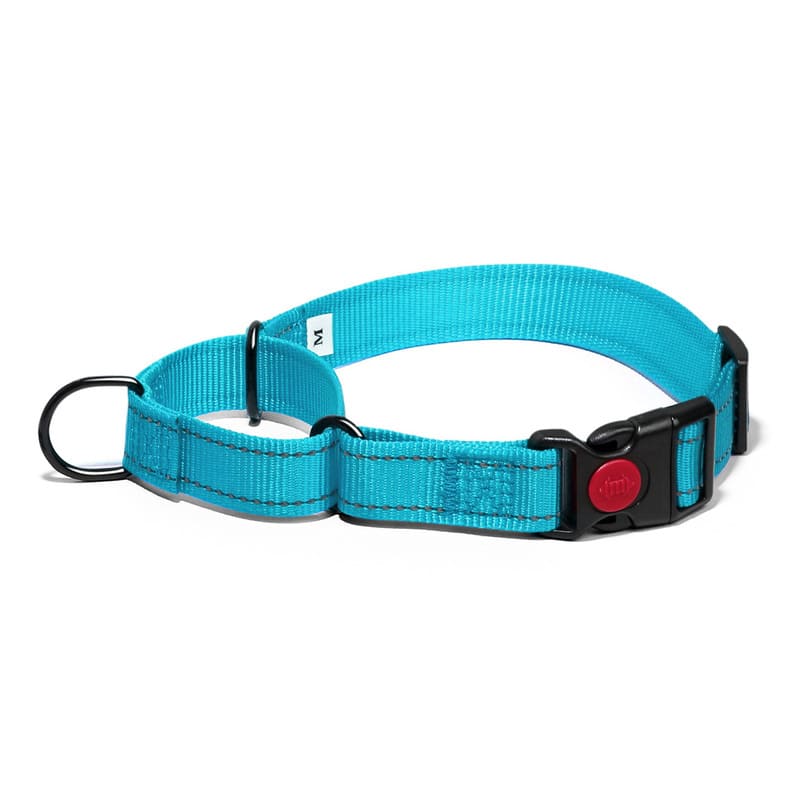
You can spot a cheap product by its shiny, lightweight hardware. Premium minimalist brands use custom-finished metal.
- Why it works: Matte black or brushed silver hardware feels substantial and looks sophisticated. It elevates the entire product from a simple strap to a design object.
- Manufacturing Tip: We can source or produce zinc alloy or steel hardware and apply specific finishes like PVD coating for durability and a high-end feel. It’s a small detail with a huge impact on perceived value.
This careful selection of materials and finishes is how you create a minimalist product that commands a premium price and builds a loyal following.
Where Are the Market Gaps the Top Brands Aren't Serving?
Are you feeling squeezed out by the goliaths? The big brands have their target audiences locked down, and competing head-to-head feels like a losing battle. This can leave you feeling stuck with low-margin, me-too products.
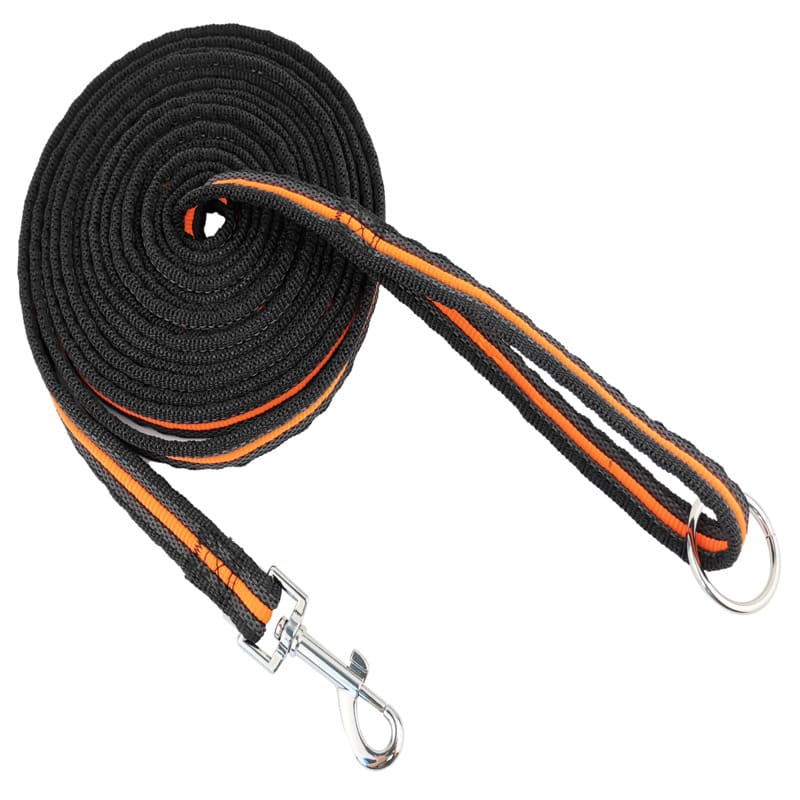
Significant gaps exist where big brands can't or won't compete. Niches like gear for senior dogs, accessories for giant or toy breeds, or products for owners with disabilities are underserved. These focused segments offer lower competition and highly loyal customers.
Dive Deeper: Finding Your Profitable Niche
The biggest brands succeed by targeting the largest market segments. Their massive operations make it inefficient to chase smaller, more specialized customer groups. This is your biggest opportunity. As a nimble retailer or distributor, you can dominate these profitable gaps. I've helped clients pivot to these niches with incredible success.
H3: The Senior Dog Market
As dogs age, their needs change. They may have arthritis, reduced vision, or less strength.
- The Gap: Most accessories are designed for young, active dogs. There's a shortage of products with padded, ergonomic handles for owners, or lightweight collars and harnesses that don't put pressure on sensitive areas.
- Product Idea: A harness with a lift-assist handle on the back, or a leash with a shock-absorbing bungee section to prevent jarring for both the dog and owner.
H3: The Breed-Specific Niche
A harness for a French Bulldog needs a different design than one for a Greyhound.
- The Gap: "One-size-fits-all" design is the norm. Brands rarely cater to the unique body shapes of specific breeds, leading to poor fit and discomfort.
- Product Idea: Develop a line of harnesses specifically for brachycephalic (flat-faced) breeds that avoids pressure on the neck. Or, create extra-long leashes with ultra-strong hardware for giant breeds like Great Danes. We can easily adjust patterns and source specialized hardware for this.
H3: The Price-Conscious Adventurer
Ruffwear's quality is undeniable, but its price is prohibitive for many.
- The Gap: There's a large market of dog owners who want to go on weekend hikes but don't need expedition-grade gear.
- Product Idea: A "Ruffwear-lite" line. Use durable but more cost-effective materials like standard nylon webbing instead of ripstop, paired with solid-but-not-premium hardware. It gives the look and 80% of the function at 50% of the price.
By focusing on these ignored segments, you're not just selling a product; you're providing a genuine solution that the major players have overlooked.
Conclusion
Big brands win with focus, not just funds. They master a niche, deliver quality, and build a story. Find your own gap and start there.
Footnote: