Sourcing the right dog leashes feels overwhelming. Poor quality leads to returns and damages your reputation. This guide will show you how to find truly great products that boost sales.
The best leashes in 2026 are not just about a famous brand name. For a B2B buyer, "best" means finding a product with durable materials, reliable hardware, and verified safety standards1. It’s about partnering with a manufacturer who can deliver consistent quality and help you build your own profitable brand.
Finding the right products for your customers is one of the biggest challenges in this business. I've spent over a decade working with buyers just like you, and I've learned that the most successful ones look deeper than just the finished product. They analyze every component, from the webbing to the clip, and they choose partners who are as invested in quality as they are. This guide is built from those years of experience. We will break down everything you need to know, so you can confidently source leashes that not only sell but also build trust with your customers. Let's start with the most basic question.
How Does "Best" Differ for Consumers vs. Retailers?
You see a trend online, so you stock up on a leash style. But then it just sits on the shelf. This happens when you misunderstand what "best" means for your business.
For consumers, "best" often means aesthetics, brand popularity, or a specific feature they saw on social media. For you as a retailer or distributor, "best" means high-margin, reliable, and unique products from a dependable supplier that help you stand out and minimize risk.
Over the years, I've seen a clear gap between what sells on hype and what builds a sustainable business. A consumer might buy a cheap, fashionable leash and not think twice if it frays in six months. But for you, that same leash represents a lost customer, a potential bad review, and a hit to your bottom line. Your goal is to bridge that gap by sourcing products that look great to the consumer but are built to meet your business standards for durability, safety, and profitability. The key is to find items that satisfy both sides.
Here's how I break it down for my partners:
Consumer Priorities vs. Retailer Needs
| Factor | What the Consumer Sees (The "Sizzle") | What the Retailer Needs (The "Steak") |
|---|---|---|
| Price | "Is this affordable for me right now?" | "What is my margin? Can I justify this price?" |
| Design | "Does this look good? Is it trendy?" | "Is this design unique? Will it stand out?" |
| Durability | "Will it last long enough?" | "Will this product lead to returns? Is it well-made?" |
| Supplier | Doesn't think about the source. | "Is the supplier reliable? Are their MOQs fair?" |
Understanding this table is the first step toward building a leash catalog that doesn't just attract shoppers but turns them into loyal customers for your brand.
Which Key Leash Types Should Be in Your Product Catalog?
Your shelf space and warehouse are valuable. Stocking the wrong mix of leashes ties up capital in slow-moving inventory. I'll help you decode the essential types your catalog needs to succeed.
A balanced catalog should always include standard flat leashes for daily walks and multi-function leashes for versatility. Consider adding training leashes for new dog owners and durable rope leashes for the outdoor adventurer. This core mix covers the majority of your customers' needs effectively.
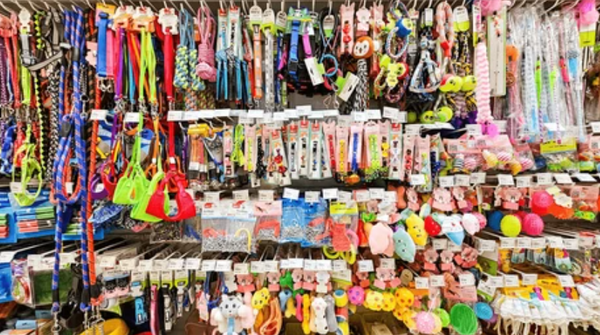
When I first started Boonpets, I tried to offer every leash type imaginable. It was a mistake. We ended up with too much stock of niche products that only a few people wanted. True success came when we focused on perfecting the core categories that serve 80% of the market. From there, you can strategically add specialized items to capture niche segments without overextending your inventory. The goal is a curated collection, not an endless aisle.
Here's a simple breakdown to guide your selection:
A Comparative Look at Key Leash Types
| Leash Type | Primary Use | Key Selling Point | Target Customer |
|---|---|---|---|
| Standard Flat Leash | Daily walks, training | Simplicity, reliability, cost-effective | All dog owners, especially first-time owners |
| Multi-Function Leash | Hands-free walking, varied lengths | Versatility, convenience | Urban dwellers, active owners, trainers |
| Rope Leash | Hiking, rugged outdoor use | Extreme durability, secure grip | Hikers, large-breed owners, adventurers |
| Retractable Leash | Giving dogs freedom to roam | Adjustable length, freedom of movement | Owners in open spaces, not for city use |
This framework helps you build a strong foundation. You can cover the mass market with standard leashes while attracting higher-spend customers with multi-function and rope options.
Why Does Material Matter for a Wholesaler?
You found a low-cost leash, but then the customer complaints start rolling in about it fraying or snapping. The material is everything, and choosing wrong can destroy your profit and reputation.
For wholesalers, material directly connects to durability, price point, and perceived value. Nylon offers a great balance of strength and cost. Leather signals premium quality. Rope provides rugged durability. The material you choose defines the product's market position and your potential margin.
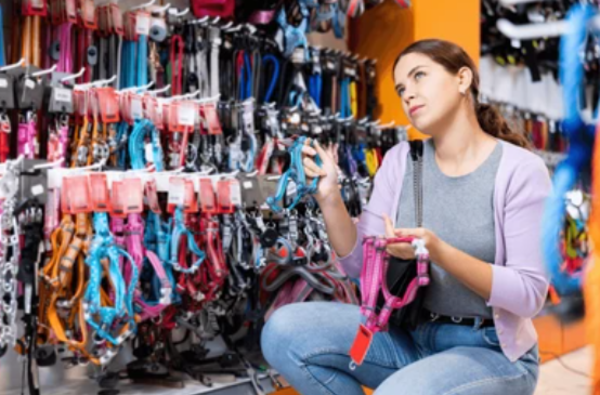
I've learned that a leash is only as good as the materials it's made from. That's why I'm personally involved in sourcing our webbing and rope. A small defect in the weave or a low-grade leather hide can lead to a product failure down the line. As a buyer, you need to ask suppliers about their material sourcing and quality control. Don't just look at the finished product; inquire about the raw materials. A good manufacturer will be transparent about this.
A Wholesaler's Material Guide
-
Nylon: This is the workhorse of the industry. It's strong, weather-resistant, easy to clean, and comes in endless colors and patterns, making it perfect for customization. Look for high-density webbing, as it resists fraying and holds its color longer. It's your go-to for mid-market, high-volume products.
-
Leather: Leather communicates luxury and durability. It offers a classic look that appeals to a premium market segment. However, quality varies immensely. Ask about full-grain versus bonded leather. Full-grain is superior and justifies a higher price, while cheap leather can crack and disappoint customers.
-
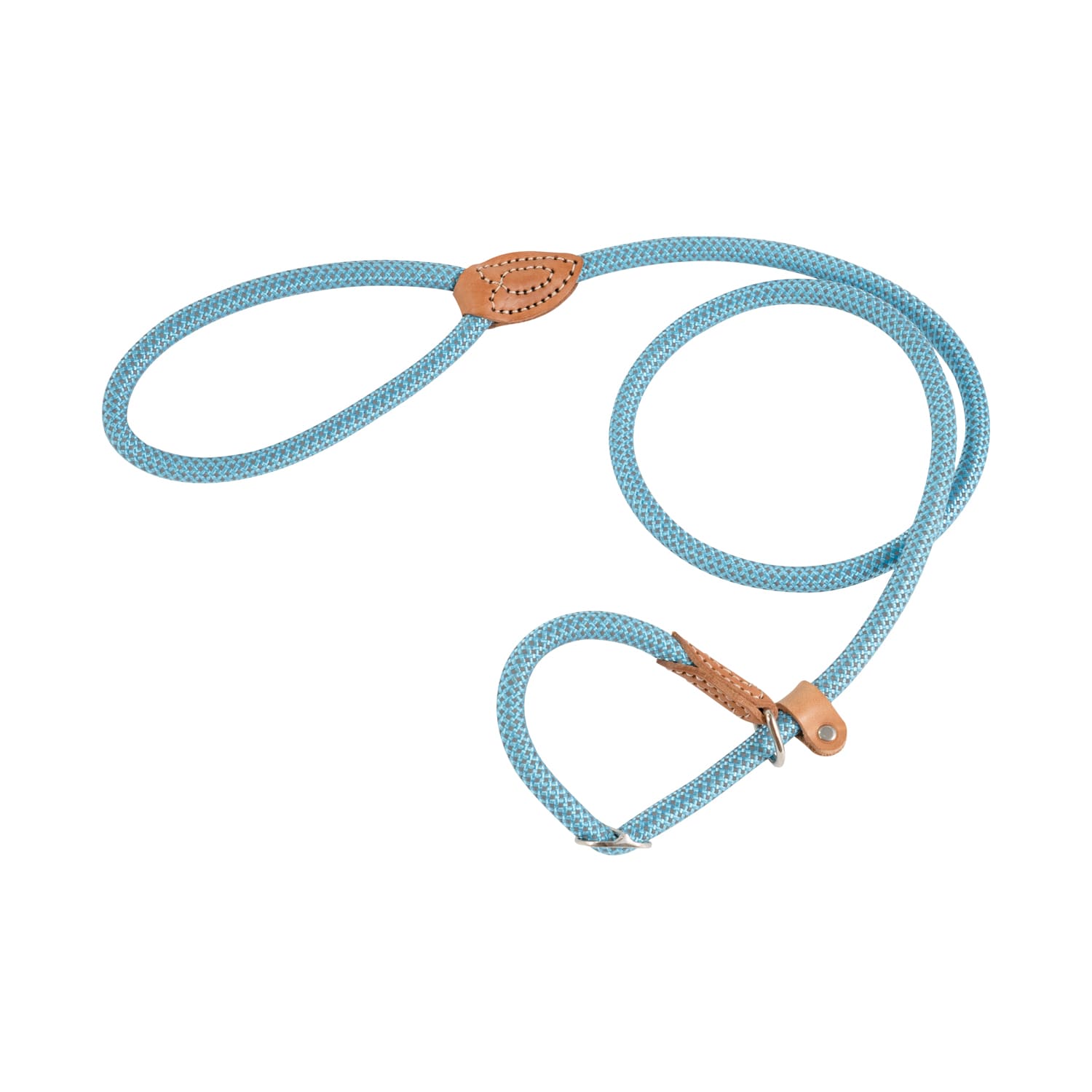
Rope: Popular in the outdoor and large-breed markets, climbing-style rope leashes are known for their immense strength and comfortable grip. Look for woven (not just twisted) rope, as it's less likely to unravel. Reflective tracers woven into the rope are a great feature that adds safety and value.
The material you choose tells a story to your customer. Nylon says "reliable and fun," leather says "classic and premium," and rope says "strong and adventurous." Choose the story you want to tell.
Beyond the Clip: How Do Hardware Innovations Drive Sales?
The leash itself looks great, but the clip feels flimsy and cheap. A weak clip can fail, leading to a lost dog and a lost customer forever. Hardware isn't an afterthought; it's a core feature.
Innovative hardware like auto-locking carabiners or lightweight aviation aluminum clips provides enhanced security and convenience. These features justify a higher price point, create a powerful selling story, and visibly differentiate your product from cheaper alternatives on the shelf.
I remember talking to a partner in Germany who was struggling to compete with low-cost online sellers. We switched his standard zinc alloy clip to a matte black, auto-locking carabiner on his best-selling leash. He was able to increase the retail price by 25%, and his sales went up. Why? Because customers could see and feel the difference in security. The hardware told a story of safety that a generic clip couldn't.
Hardware That Adds Real Value
-
The Material: Standard zinc alloy is common, but it can be heavy and prone to breaking under high stress. Upgrading to stainless steel or aviation aluminum offers superior strength-to-weight ratios. It's a tangible upgrade.
-
The Locking Mechanism: A simple bolt snap is expected. A swivel-head clip prevents twisting. But an auto-locking or screw-gate carabiner offers a level of security that customers, especially owners of large or reactive dogs, are willing to pay a premium for.
-
The Finish: The finish on the hardware affects both aesthetics and durability. PVD (Physical Vapor Deposition) coating, for example, is far more resistant to scratches and corrosion than simple painting or electroplating. It keeps the hardware looking new for longer, enhancing the product's lifespan and perceived quality.
Don't let hardware be the weak link in your product. It's one of the easiest ways to elevate a simple leash into a premium piece of gear.
How Can You Partner with a Manufacturer to Launch Your Own "Best" Leash Brand?
You're tired of selling other people's brands and competing on price. You want to build your own asset, but the process feels complex. The right partner can simplify everything.
Partnering with a flexible manufacturer allows you to move from OEM (your logo on their product) to ODM (collaborating on a unique design). This approach gives you a proprietary product without needing a massive in-house design team, helping you build a brand that is truly yours.
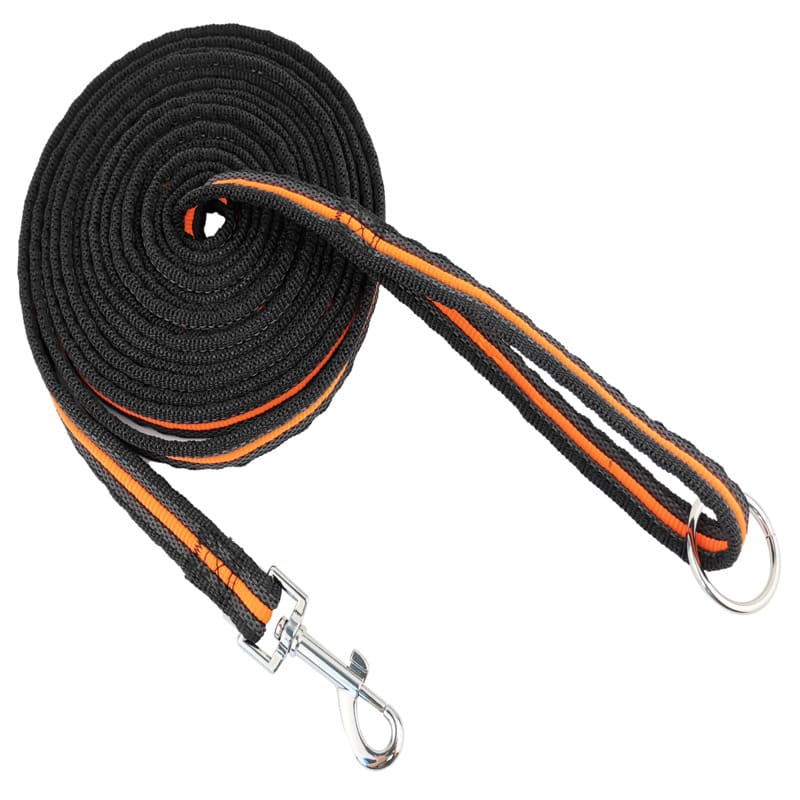
Some of my longest and most successful partnerships started with a simple OEM order. A distributor in Italy, for example, began by ordering our standard leashes with his logo. After a year, he came to me with ideas for a multi-function leash tailored to his market. We worked together to develop it, from the webbing pattern to a custom clip design. Today, that ODM product is his best-seller and a key differentiator for his brand. That is the power of a true partnership.
OEM vs. ODM: Which is Right for You?
-
OEM (Original Equipment Manufacturer): This is the fastest way to launch your brand. You select a product from our existing catalog, and we apply your branding—logo, packaging, and colors.
- Best for: Buyers who want to quickly enter the market, test product ideas, and build brand awareness with proven designs.
- Our Role: We handle all production and quality control, delivering a finished product ready for your shelves.
-
ODM (Original Design Manufacturer): This is a collaborative partnership. You bring an idea, a sketch, or a problem you want to solve, and our design and engineering teams work with you to create a completely new product.
- Best for: Buyers who want a unique, proprietary product line to stand out from competitors and build long-term brand equity.
- Our Role: We provide R&D, material sourcing, prototyping, and manufacturing expertise to bring your vision to life.
Moving from OEM to ODM is a natural progression as your brand grows. It allows you to build a product moat around your business that competitors can't easily cross.
What Essential Safety Standards Should Your Leash Inventory Meet?
A leash snaps, and a dog runs into traffic. This is a retailer's worst nightmare, leading to legal issues and irreparable brand damage. Safety can't be an assumption; it must be verified.
Your leash inventory should meet specific safety standards. Insist on proof of load testing for clips and tensile strength testing2 for webbing and rope. In Europe, REACH compliance for materials is critical to ensure they are free from harmful chemicals. These certifications protect you, your customer, and the pet.
Early in my career, a potential client asked for our material safety data sheets and load-testing reports. At the time, we didn't have them formalized. It was a wake-up call. We immediately invested in third-party testing for all our core components. Now, it's a non-negotiable part of our process. A manufacturer who hesitates to provide these documents is a major red flag. They are either not performing the tests or they are getting results they don't want you to see.
Key Safety Checks for Your Supplier
-
Tensile Strength Testing: This tests the maximum force the leash (webbing, rope, and stitching) can withstand before breaking. Ask for the report and make sure the "break force" is well above what even the largest dog breed could exert.
-
Hardware Load Testing: The clip is often the weakest point. It should be independently tested to ensure it doesn't deform or break under pulling force. We test every batch of hardware we receive.
-
Material Safety (REACH/CPSIA): Regulations like REACH in the EU and CPSIA in the US restrict hazardous substances in consumer products. Compliance ensures the leash is safe for both pets and their owners, protecting them from harmful chemicals in dyes and materials.
-
Third-Party Audits: Reputable manufacturers will have factory audits like BSCI or Sedex, which not only cover social compliance but also elements of a Quality Management System. This shows a commitment to professional operations.
Think of these certifications as insurance for your business. Sourcing a slightly cheaper product without them is a risk that is simply not worth taking.
Conclusion
Sourcing the best dog leashes is about looking beyond the brand and focusing on quality, partnership, and smart features. Your success depends on it.
Footnote: