You're about to wire a huge deposit to a new supplier you've only met online. You worry constantly: are they a real factory? Will the final product look anything like the sample?
Yes, there are many highly reliable third-party inspection agencies in China, like SGS, Intertek (ITS), and CTI. They act as your eyes and ears on the ground, offering services from factory audits1 to pre-shipment inspections to verify your supplier and protect your investment.
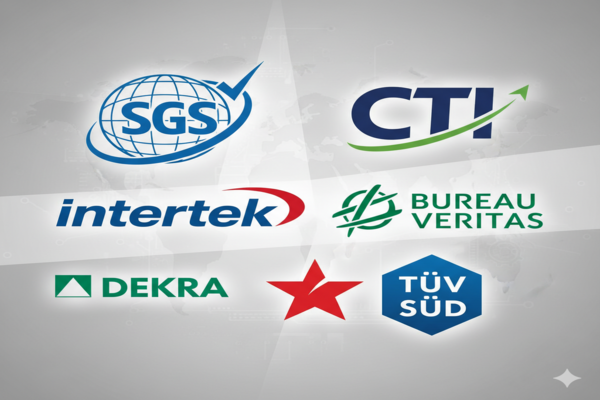
Using an inspection agency is a standard part of doing international business, especially when you're starting with a new partner. It's a smart, professional way to minimize risk. However, while these tools are essential for verification, I've learned that they are just one piece of the puzzle. The deepest, most reliable trust is still built over time, through successful cooperation. Let's break down how you can use these agencies to start that relationship on the right foot.
How does a factory audit improve supplier reliability?
The supplier’s Alibaba page looks amazing, but you have no proof they aren't just a small trading office reselling another factory's goods. You're risking your order on a company you can't truly verify.
A factory audit provides an objective, on-the-ground report of your supplier's actual capabilities. An independent auditor visits the site to verify their legitimacy, evaluate their quality management systems, and check their social compliance records, confirming they can produce your goods reliably and ethically.
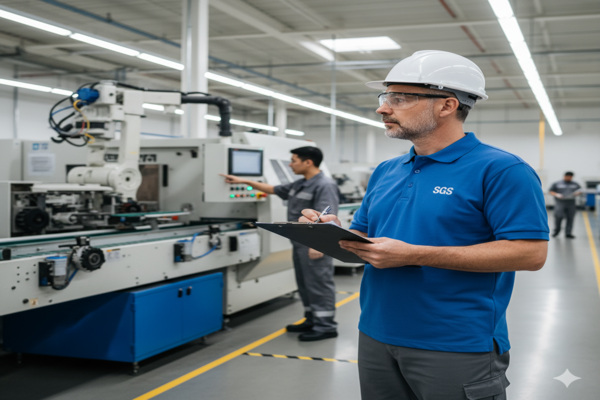
This is your first and most important due diligence step. Before you even talk about placing an order, an audit tells you who you're really dealing with. It's about more than just seeing if the lights are on. Auditors check for specific systems and certifications that prove a factory is a professional operation. A good factory, like ours, welcomes these audits. It's a chance for us to prove our transparency and show that our systems are solid. It's the first step in building a foundation of trust.
What an Audit Really Tells You
An audit isn't just one check; it usually looks at two distinct areas that protect your business in different ways:
- Quality Management System (QMS) Audit2: The auditor checks for processes like ISO 90013. This tells you if the factory has standardized procedures for controlling quality, from incoming raw materials to final product assembly. A strong QMS means a lower chance of inconsistent quality in your orders.
- Social Compliance Audit: This checks for things like fair wages, safe working conditions, and no child labor (e.g., a BSCI audit4). This is crucial for protecting your brand's reputation. No retailer wants to be associated with an unethical factory.
| Audit Type | What It Verifies | Why It Matters to You |
|---|---|---|
| Quality Management | Consistent processes, quality control, record-keeping. | Reduces the risk of defects and product variations. |
| Social Compliance | Ethical labor practices, worker safety, fair wages. | Protects your brand image and ensures ethical sourcing. |
An audit gives you a snapshot that confirms the supplier has the capacity and systems to be a reliable partner.
What do pre-shipment inspections typically cover?
Your dog collars are finally produced, but you're thousands of miles away. You're losing sleep worrying that the final quality won't match the sample, and you'll only find out after they've arrived.
A pre-shipment inspection (PSI) is your final quality gate. Before you make your final payment, an inspector physically checks a random sample of your finished goods, verifying everything against your checklist: quantity, quality, colors, packaging, and shipping marks.
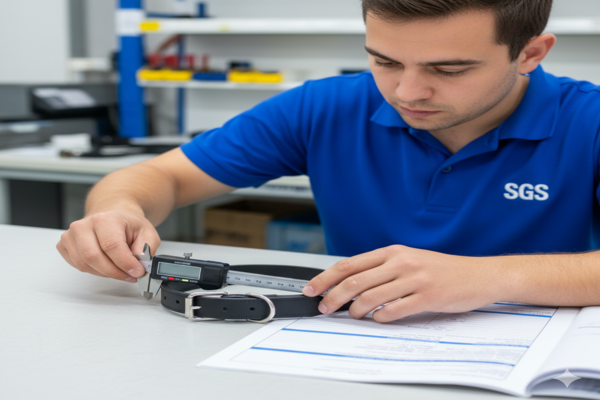
The PSI is non-negotiable for any large order. It's your last chance to catch problems while the goods are still at my factory, where I can fix them. Once the products are on a container ship, it's too late. The inspector doesn't check every single item; they use a statistical sampling method called AQL (Acceptable Quality Limit). This industry-standard process gives you a highly accurate picture of the entire order's quality. If the shipment fails the inspection, we don't ship. We work to correct the issues and schedule a re-inspection. This process gives you tremendous leverage and peace of mind, ensuring you get exactly what you paid for.
The Anatomy of a PSI Checklist
A good inspection report is incredibly detailed. Here's what the inspector will verify:
- Quantity: Are there 100 cartons, as promised? Is the number of units per carton correct?
- Workmanship & Quality: They will look for defects like weak stitching, scratches on metal buckles, and frayed edges.
- Specification Conformity: This is where they check against your approved sample. Are the colors a perfect match to your Pantone codes? Are the dimensions precise? Is your logo applied correctly and in the right place?
- Packaging & Labeling: They check that each collar is in the correct retail packaging, with the right barcode. They also verify that the outer shipping cartons are labeled correctly for your warehouse's receiving department.
This inspection report, complete with photos, gives you the confidence to approve the shipment and release the final payment.
Why is cooperation history the ultimate test of trust?
You've done an audit and a pre-shipment inspection. You have the reports, but you still feel a bit uneasy. You wonder if this supplier will be a true partner or just a transaction.
Audits and inspections verify processes, but only a history of working together can verify a partnership. True trust is built over time, through real orders. It’s seeing how a supplier communicates, handles problems, and consistently delivers quality that turns a transaction into a long-term relationship.

As much as I believe in the power of audits and inspections, they can't tell you everything. They can't tell you if a supplier will proactively call you about a potential raw material delay. They can't tell you if they will work with you on a small test order for a new product line. This is the human element of international business. I tell all my new partners the same thing: let's start with a small, manageable order. Let us prove our quality and our communication.
Building Trust Beyond the Checklist
Third-party agencies are an excellent tool to minimize initial risk, but they are just the start.
- The First Order: This is the real test. How smoothly does it go? How is the communication? Is the quality as expected?
- Problem Solving: In manufacturing, problems sometimes happen. Does the supplier hide the mistake, or do they call you immediately with a solution? A supplier who is honest about a problem is one you can trust.
- Consistency: Can they deliver the same high quality on the fifth order as they did on the first? This is what separates a good supplier from a great one.
While it involves some initial risk, there is no substitute for real-world experience. It's how my longest-standing partners in over 30 countries and I have built relationships that last for years.
Conclusion
Yes, reliable third-party inspection agencies are essential tools for safely sourcing from China. Use them to conduct factory audits for initial verification and pre-shipment inspections for quality assurance. But remember, these are just snapshots. The most valuable, trustworthy supplier relationships are built over time, through clear communication and consistent performance.
Footnote:
Learn how factory audits can provide crucial insights into your supplier's operations and legitimacy. ↩
Understand how a QMS audit can help maintain consistent quality in manufacturing processes. ↩
Explore the significance of ISO 9001 certification in ensuring quality control in manufacturing. ↩
Learn about BSCI audits and their role in ensuring ethical labor practices in factories. ↩