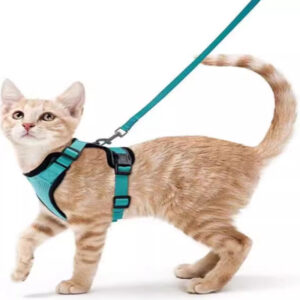
Confusion about the ownership of these two retail giants often clouds the judgment of procurement professionals trying to navigate the competitive landscape.
No, Petco and PetSmart are not the same owner. They are distinct corporate entities with separate ownership structures and strategies. PetSmart is privately owned by a consortium led by BC Partners. Petco is a publicly traded company on the Nasdaq under the ticker symbol WOOF, though it retains significant backing from private equity1 firms CVC Capital Partners2 and CPP Investments3.
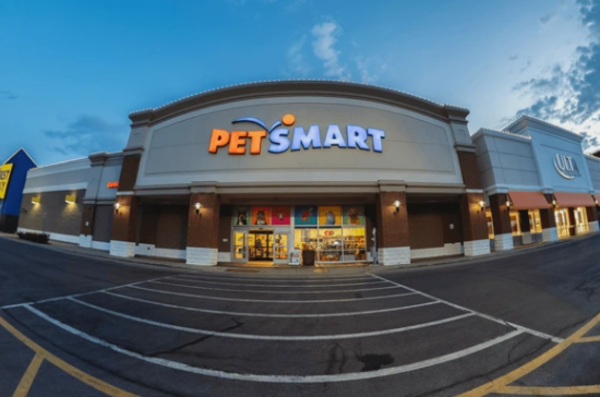
Understanding the difference between these two isn't just about corporate trivia; it's about understanding the battlefield. Knowing their ownership tells you how they buy, how they price, and where they are vulnerable. Let’s break down the reality of their operations and how independent businesses can use this information to their advantage.
Overview: Are Petco and PetSmart Owned by the Same Company?
Rumors of mergers have circulated for years, causing uncertainty for suppliers and competitors who fear a total market monopoly.
The short answer remains no. Despite occasional acquisition talks, such as the stalled conversations reported in 2019, anti-trust regulations and differing corporate visions have kept them apart. They operate as fierce rivals, fighting for the same piece of the pet industry pie.
Examining the Distinct Entities
Many of my partners ask me why this distinction matters for a mid-sized distributor. The reality is that ownership dictates the pressure on the supply chain. PetSmart, being private, operates under a different financial cadence than Petco, which faces quarterly scrutiny from public shareholders.
When we look at the market, we see two different "personalities" driven by their owners. PetSmart often aggressively pursues acquisition for growth—most notably their purchase (and partial separation) of Chewy. This shows a strategy focused on dominating both digital and physical shelves. Petco, on the other hand, rebranded heavily towards "The Health + Wellness Company," trying to increase margins by banning artificial ingredients and certain training devices like shock collars.
For a procurement manager like you, Alex, this separation is good news. It means there isn't a single monolith controlling pricing standards for manufacturing. It leaves gaps in the market. While they fight each other on mass-market generic goods, they often leave the premium, specialized segment underserved. This is where Boonpets steps in. We help businesses create the high-quality, unique walking gear that these giants are too slow or too volume-focused to manufacture effectively.
Historical Ownership and Corporate Structure Comparison
Private equity firms frequently shuffle retail giants, making it hard to keep track of who holds the reins at any given moment.
PetSmart was taken private by BC Partners in 2015 for $8.7 billion. Petco has bounced between private equity owners TPG and Leonard Green, was sold to CVC and CPP in 2016, and eventually returned to the public stock market in 2021.
The Impact of Private Equity on Sourcing
We need to look at how these financial structures impact product quality. When private equity takes over, the immediate goal is often efficiency and cost-cutting to service debt. In my 11 years running Boonpets, I have seen the ripple effects of these ownership changes. Large retailers start squeezing their suppliers for every cent, often at the cost of material durability or hardware safety.
Here is a breakdown of the current landscape:
| Feature | PetSmart | Petco |
|---|---|---|
| Current Status | Private Company | Public Company (Nasdaq: WOOF) |
| Primary Owner | BC Partners4 | Public Shareholders / CVC & CPP |
| Recent Strategy | Cost efficiencies & Service expansion | Health branding & Premiumization |
| Sourcing Focus | Volume-driven, low cost | Brand-standards driven |
Why does this matter to your purchasing strategy? Public companies like Petco are under immense pressure to show growth every three months. This can lead to erratic buying behaviors or sudden shifts in vendor requirements. Private entities like PetSmart might be more stable but are often aggressive on margin requirements.
By partnering with a dedicated manufacturer like Boonpets, you avoid the volatility that comes with these massive corporate agendas. We offer a stable, transparent production environment. We don't answer to Wall Street; we answer to you. This allows us to focus on long-term product consistency—ensuring your harnesses and leashes build your brand's reputation, not just fill a shelf.
Market Positioning and Competitive Strategies of Petco vs. PetSmart
Their independent ownership drives two very different approaches to how they present products to the consumer.
Petco positions itself as a health-focused lifestyle brand, eliminating "artificial" products. PetSmart positions itself as the "everything store," leveraging its massive footprint and Chewy connection to capture maximum volume across all price points.

Identifying the Gaps in Their Armor
Petco’s move to stop selling shock collars and remove artificial food ingredients was a calculated risk to differentiate themselves. They want to be the "Whole Foods" of pet care. PetSmart prefers to be the "Walmart," offering everything from budget basics to premium options.
However, both strategies have a weakness: Standardization.
To manage thousands of stores, both giants rely on mass-produced, standardized inventory. Even their "premium" private labels are produced in massive batches where unique design details often get lost to simplify production.
- They cannot easily offer small-batch seasonal designs.
- They react slowly to emerging trends like tactical gear or eco-friendly localized materials.
- Their "quality" is often defined by the lowest bidder that meets the minimum safety standard.
This is your opportunity. As a procurement manager, you can beat them on differentiation. You don't need to sell the same generic nylon leash. With Boonpets, we can develop a proprietary line using heavier gauge webbing, custom alloy hardware, or unique distinct patterns that Petco’s buyers would deem "too expensive to scale." We help you target the customer who walks into those big box stores, touches the product, feels the lack of quality, and walks out looking for something better.
Supply Chain and Vendor Relationships: What B2B Partners Need to Know
Supplying these giants is a volume game that often crushes smaller brands and dictates strict manufacturing terms.
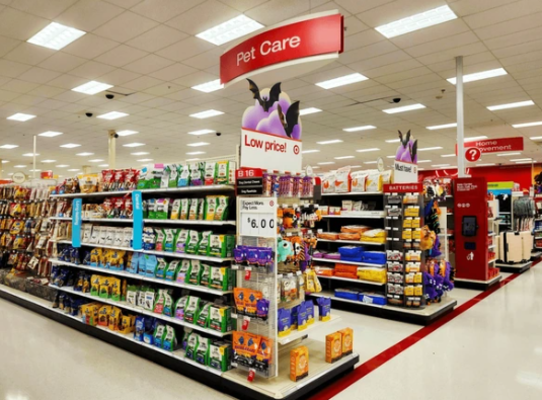
Vendors for PetSmart and Petco face high slotting fees, massive Minimum Order Quantities (MOQs), and strict chargeback penalties. Succeeding in their supply chain requires massive scale, often sacrificing margin for volume.
The "Big Box" Trap vs. Agile Manufacturing
I talk to many distributors who dream of landing a contract with these giants. The reality is often harsh. You lose control over your product. They dictate the specs, and if you can't hit 30,000 units with a near-zero margin, you are out.
Their ownership structures demand this. BC Partners needs cash flow to service debt; Petco shareholders demand EPS (Earnings Per Share) growth. This pressure flows downhill to the factory floor.
- Quality Fade: To meet the aggressive price targets of these owners, factories often swap materials for cheaper alternatives over time.
- Inventory Loading: They may force vendors to hold stock, increasing your carrying costs.
At Boonpets, we operate differently. We act as your internal production team. Because we own the factory and manage the entire process—from weaving to assembly—we offer you the "Big Box" capabilities without the "Big Box" headaches. We support lower MOQs to help you test new concepts. We use third-party inspections not because a compliance officer forced us, but because your brand reputation is our business card.
For Alex, this means you can build a supply chain that is robust and reliable, without being beholden to the draconian terms set by the private equity owners of the market leaders.
Strategic Implications for Retailers and Distributors Serving Petco and PetSmart
If you are a retailer competing with them, or a distributor selling near them, you must understand their buying cycle limitations.
Petco and PetSmart are slow to pivot. Their massive size means changing a product line takes 6 to 12 months, whereas agile independent retailers can introduce trend-forward accessories in a matter of weeks.

Beating the Giants on Agility and Quality
Your strategy shouldn't be to copy their inventory. If you stock the same generic red collars as PetSmart, you will lose on price every time because their economies of scale are unbeatable.
Instead, leverage their ownership-driven slowness against them.
- Speed to Market: When a new trend hits (like the recent surge in "hands-free" leashes or specific safety harnesses), Boonpets can prototype and produce a custom line for you in a fraction of the time it takes their corporate buying committees to approve a SKU.
- Visual Differentiation: We can implement custom branding, unique heavy-duty stitching, or innovative clasp mechanisms that stand out visually. When a customer compares your product to a Petco private label, yours should look and feel substantially more valuable.
- Profitability Focus: By sourcing directly from us, you cut out the middlemen that clutter the supply chains of large conglomerates. This protects your margins, allowing you to price competitively while offering better quality.
We have helped partners in Europe and North America utilize this exact strategy. They engage us to build a "Flagship" line that establishes them as the authority on durability. While Petco chases the mass market, you capture the high-value, devoted pet owner who treats their dog like a child and wants the gear to prove it.
Future Industry Trends and Acquisition Risks Impacting Procurement Decisions
The pet industry is consolidating, and knowing who owns whom helps you predict future supply chain disruptions.
Rising interest rates and supply chain costs could force further M&A activity. Rumors persist that major players might merge or divest assets to maintain profitability, which creates instability for anyone relying on their supply chains.

Protecting Your Business from Market Instability
We have seen this pattern before. When big mergers happen, smaller vendors get cut, and product lines get rationalized (deleted). If your business relies on distributing brands owned by these large entities, you are at risk.
You need to "future-proof" your procurement.
- Diversification: Do not rely solely on widely distributed brands that might be acquired and taken direct-to-consumer.
- Own Your Brand: The safest asset is a product line you control. Creating your own private label brand gives you immunity from corporate buyouts. No one can take your brand away from you.
This is the core of the Boonpets mission. We empower you to own your destiny. By manufacturing your own high-standard products with us, you insulate your business from the boardroom decisions of BC Partners or CVC Capital. You ensure that no matter who buys whom in the stock market, your inventory arrives on time, meets your quality specs, and keeps your customers happy. We provide the stability that the giants cannot guarantee.
Conclusion
Petco and PetSmart are not the same owner, but both are driven by corporate pressures that sacrifice quality for scale. Partnering with Boonpets allows you to exploit this weakness through superior, differentiated products and reliable manufacturing.
Footnote:
Understand the implications of private equity ownership on retail operations and supplier relationships. ↩
Understand CVC Capital's impact on Petco's business decisions and market positioning. ↩
Explore CPP Investments' role in Petco to gain insights into its financial backing and strategic direction. ↩
Discover how BC Partners influences PetSmart's operations and growth strategies in the pet retail market. ↩