Choosing between familiar nylon and premium BioThane1 collars for your inventory is tough. Nylon is a safe bet, but BioThane is trending. You need to know which material will actually grow your sales.
For wholesale buyers, BioThane is better for targeting niche, high-value markets that prioritize durability. Nylon remains the superior choice for mass-market, price-sensitive customers. Your best option depends entirely on the customers you serve and the brand identity you want to build.
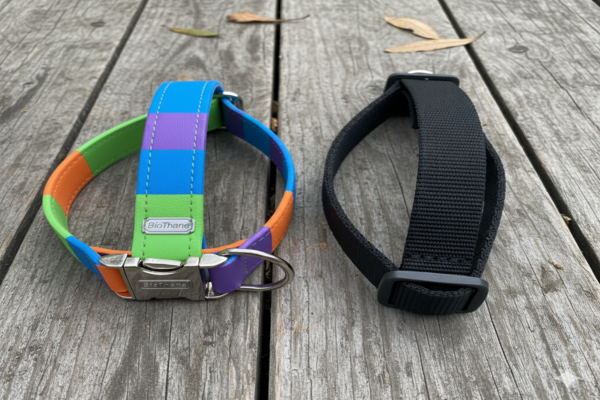
I've had this conversation with hundreds of partners over the past decade. The question isn't just about which material is "better" in a vacuum; it's a strategic business decision. Your choice impacts your retail price, your target audience, and your brand's reputation. You need to weigh the pros and cons not just as a pet product, but as a business asset. Let's break down the key differences to help you decide which material will truly increase your sales and profit.
What are the pros and cons of BioThane collars?
You see BioThane products popping up everywhere, praised for their incredible durability. But the higher cost gives you pause. Is this a real product upgrade that justifies the price for your customers?
BioThane's main advantages are its waterproof, odor-resistant2, and easy-to-clean qualities, making it extremely durable. Its primary disadvantage is the significantly higher price point compared to traditional materials like nylon, which can be a barrier for many consumers.
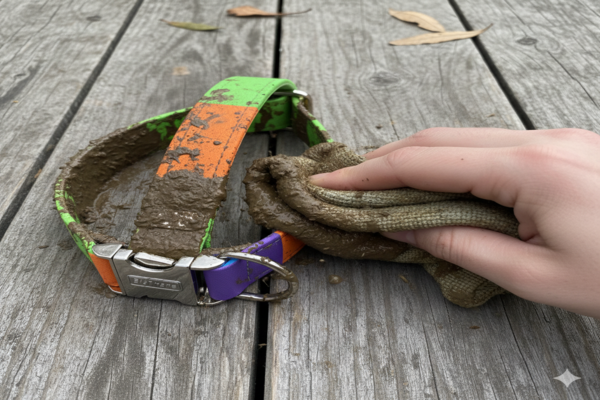
BioThane is essentially a PVC-coated nylon webbing. This coating is what gives it all its "superpowers." It feels a bit like leather but is completely vegan and much more resilient. In my experience manufacturing both, the brands that succeed with BioThane market it as a high-performance, long-term investment for active dog owners. It's a problem-solving product. It solves the issue of smelly, grimy collars that need to be replaced often. The main challenge for you as a buyer is bridging the price gap for your customers. You have to be prepared to explain why it's worth more.
Here's a quick breakdown from a retailer's point of view:
| Pros of BioThane | Cons of BioThane |
|---|---|
| Extremely Durable: Doesn't fray or tear easily. | Higher Wholesale Cost: Requires a larger upfront investment. |
| 100% Waterproof: Repels water, mud, and dirt. | Higher Retail Price: May not appeal to budget-conscious shoppers. |
| Easy to Clean: A simple wipe-down makes it look new. | Requires Customer Education: The benefits are not immediately obvious. |
| Odor-Resistant: Won't develop mildew or that "wet dog" smell. | Stiffer Feel: Some customers may prefer the softness of nylon. |
Ultimately, BioThane offers a premium experience, which can justify a higher margin if you target the right audience.
What is the main disadvantage of nylon collars?
Nylon collars are likely your bestsellers. They are affordable and come in endless colors. But customer complaints about fraying, getting smelly, and looking worn out are constant headaches that can hurt your brand.
Nylon's main disadvantage is that it absorbs water. This makes it slow to dry, prone to developing mildew and unpleasant odors, and physically weaker when wet. It also frays with use and can stain easily, reducing its functional lifespan and visual appeal.
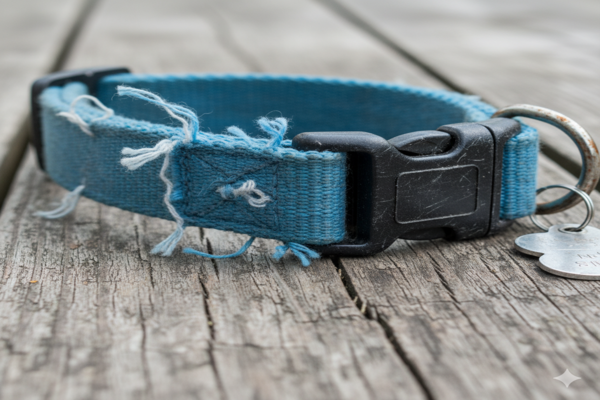
The water absorption issue is the root of almost every problem with nylon. When a nylon collar gets wet, it acts like a sponge. It soaks up not just water, but also dirt, oils from the dog’s coat, and bacteria. This is why they get that permanently funky smell over time, even after washing. For a dog, this damp, bacteria-filled collar can even lead to skin irritation3. From a business standpoint, this creates a mixed bag. The shorter replacement cycle means customers have to buy new collars more often. But it also means you might face more returns and complaints from customers in rainy or humid climates who are tired of dealing with stinky, worn-out products. I had a partner in the UK who saw a noticeable drop in customer service tickets after introducing a BioThane line specifically for this reason.
Why are BioThane leashes and collars more expensive?
You receive a quote for BioThane products, and the price difference from nylon is shocking. You start to wonder if your supplier is overcharging you. How can a coated webbing cost so much more?
BioThane is more expensive because of higher raw material costs and a more complex manufacturing process. The PVC or TPU coating is a premium material, and the process of bonding it to the nylon core requires specialized machinery and more production steps than simply weaving nylon.
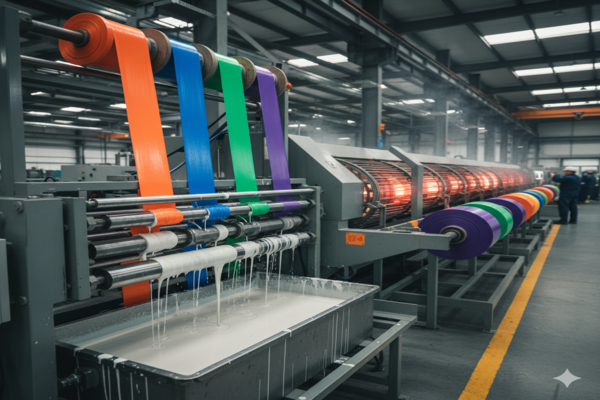
Let's look at what goes into making each product. A standard nylon collar starts as spools of nylon thread, which are woven into webbing on a loom. This is a fast, efficient, and relatively low-cost process. BioThane production is much more involved. It starts with a nylon webbing core, which then runs through an extrusion machine that applies a molten PVC or TPU coating. This process has to be carefully controlled for temperature and speed to ensure the coating is even and bonds permanently to the core. After coating, it's often embossed with a texture, like a leather grain. All these extra steps—the premium coating material, the specialized machinery, the slower production speed—add significant cost. It's simply a more resource-intensive product to manufacture. That cost is passed from the material supplier to me, and from me to you.
What markets prefer BioThane over nylon?
You understand the technical differences, but now you need to know where BioThane will actually sell. Investing in a premium product that sits on the shelf is every buyer's nightmare.
Markets that prefer BioThane are typically those with active, outdoor-focused customers who treat their dogs like family and are willing to invest in high-performance gear. This includes regions with wet climates and customers involved in dog sports or hunting.

In my experience shipping to over 30 countries, I've seen clear patterns emerge. BioThane is a massive hit in markets where dogs are a core part of an outdoor lifestyle. Think of the Pacific Northwest in the US, the UK, Scandinavia, or Germany. Customers in these areas are constantly dealing with rain, mud, and swimming. For them, a waterproof and easy-to-clean collar isn't a luxury; it's a practical necessity. They are already buying premium rain gear for themselves, so a high-performance collar for their dog is an easy sell. Another great market is the dog sports community—agility, dock diving, and field trials. These owners need gear that can withstand intense use and is easy to maintain. Selling nylon to these groups is possible, but offering BioThane positions your brand as an expert that understands their specific needs.
What breeds are BioThane collars good for?
A product that works for a Chihuahua might not work for a Great Dane. You need to know if BioThane is a niche product for specific breeds or if it has broad appeal.
BioThane collars are excellent for water-loving and outdoor-active breeds of all sizes. They are particularly good for retrievers, hounds, and other sporting dogs that frequently get wet and dirty, as the material prevents odor and is easy to clean.
While BioThane works great for any dog, it's a true game-changer for certain types of breeds. Here’s who benefits the most:
- Water Dogs: Labradors, Golden Retrievers, Poodles, and Spaniels are perfect candidates. Their owners are tired of perpetually damp, smelly collars.
- Sporting & Hunting Breeds: Beagles, Pointers, and Setters that run through fields and brush need gear that won't snag, fray, or absorb burrs and grime.
- Long-Haired Breeds: The smooth surface of BioThane is less likely to tangle or mat the fur around the neck compared to the woven texture of nylon.
- Dogs with Sensitive Skin: Because BioThane doesn't absorb moisture and bacteria, it can help reduce the risk of skin irritation that a damp nylon collar might cause.
When you're thinking about your marketing, focusing on the problems faced by the owners of these breeds is a powerful strategy. You aren't just selling a collar; you are selling a solution.
Conclusion
So, is BioThane better? For performance, yes. For your business, it depends. It requires understanding your customer's pain points and willingness to pay for a premium, problem-solving product.
Footnote:
Explore the advantages of BioThane collars, including durability and ease of cleaning, to understand why they are trending. ↩
Understand the technology behind odor-resistant collars and why they are essential for active dogs. ↩
Explore the causes of skin irritation from collars and how to choose materials that minimize this risk. ↩